
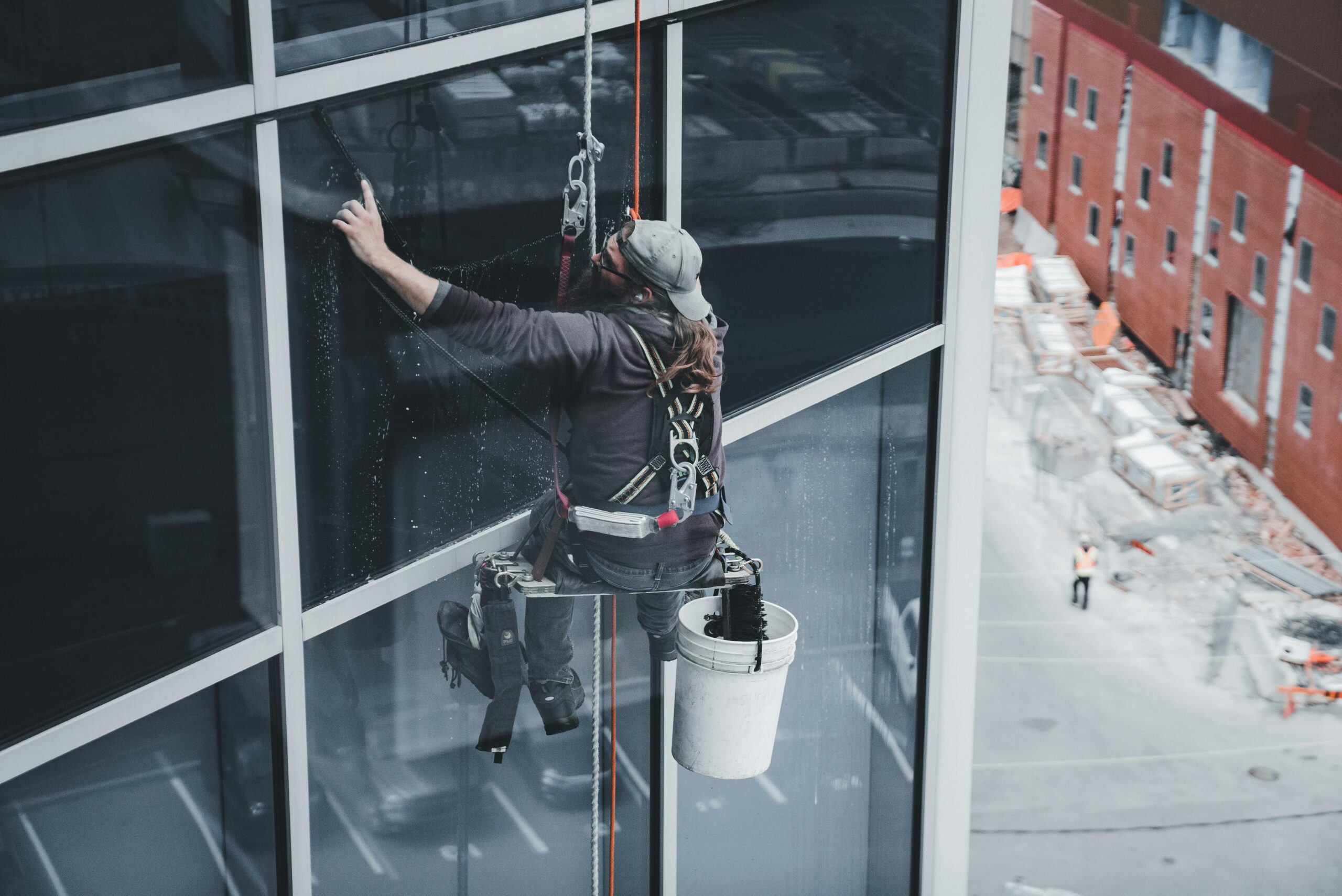
Keeping windows spotless can be one of the most time-consuming and physically demanding household chores. From hard-to-reach glass panels to large office windows, traditional cleaning methods often require ladders, sprays, cloths, and significant effort. Fortunately, modern technology has introduced a smarter and more convenient solution — robotic window cleaners.
At Fresh Perspective, we believe smart home innovations should simplify everyday life while improving comfort, efficiency, and safety. Robotic window cleaners are becoming increasingly popular among homeowners, apartment residents, businesses, and smart home enthusiasts because they automate one of the most difficult cleaning tasks in modern living.
These intelligent cleaning devices can clean glass surfaces automatically while reducing manual labor and improving safety. Whether you live in a high-rise apartment, a modern home with large windows, or simply want a more convenient cleaning routine, robotic window cleaners offer a practical and innovative solution.
In this complete guide, you’ll learn everything you need to know about robotic window cleaners, including how they work, their benefits, features to consider, different types, maintenance tips, common challenges, and answers to frequently asked questions.
What Are Robotic Window Cleaners?
Robotic window cleaners are automated devices designed to clean glass surfaces using smart navigation systems, suction technology, microfiber pads, and sensors.
These devices attach securely to windows and move across the glass automatically while cleaning dust, dirt, fingerprints, and smudges.
Most robotic window cleaners are designed for:
- Home windows
- Sliding glass doors
- Mirrors
- Shower glass
- Glass railings
- Office windows
Some advanced models can even clean frameless glass and large commercial windows.
Why Robotic Window Cleaners Are Becoming Popular
Modern homeowners are increasingly adopting robotic cleaning devices because they offer:
- Convenience
- Time savings
- Improved safety
- Smart automation
- Reduced physical effort
Cleaning windows manually can be difficult and sometimes dangerous, especially for:
- High-rise apartments
- Tall homes
- Large glass panels
- Exterior windows
Robotic window cleaners help eliminate the need for ladders and risky cleaning situations.
As smart home technology becomes more affordable, these devices are becoming common additions to modern households.
How Robotic Window Cleaners Work
Robotic window cleaners use several technologies to clean glass surfaces efficiently.
Suction Technology
Most robotic cleaners use powerful suction systems to stay attached to vertical glass surfaces.
This suction allows the device to:
- Cling securely to windows
- Move safely across surfaces
- Clean vertical and horizontal glass
Cleaning Pads
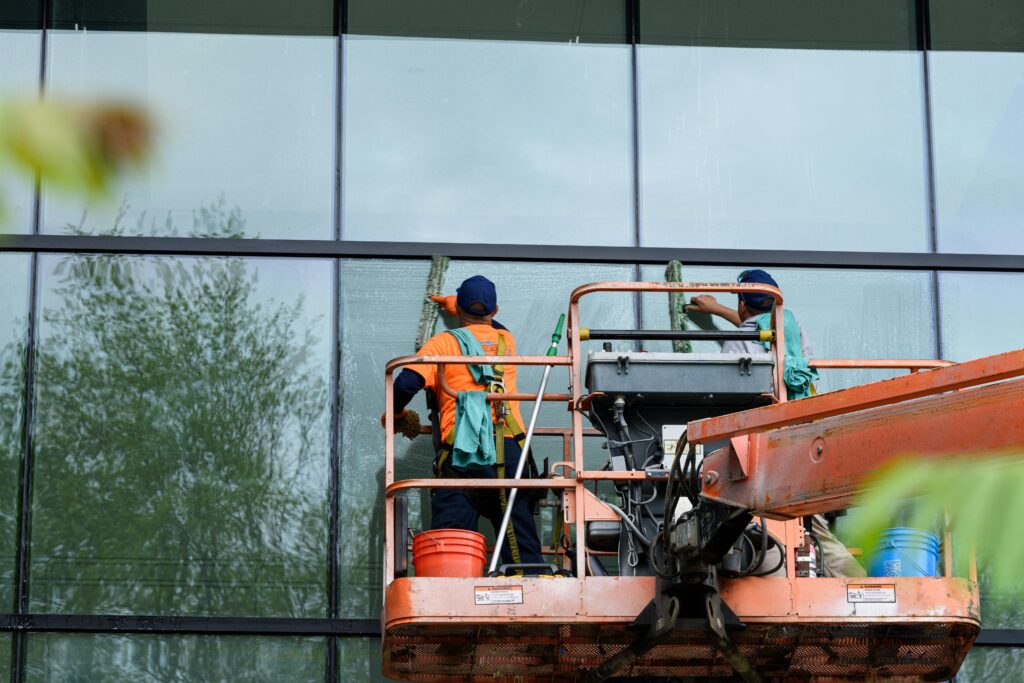
Microfiber pads attached to the robot wipe dirt and dust while protecting glass from scratches.
Many devices use reusable washable pads.
Navigation Systems
Smart navigation systems help robotic cleaners map cleaning paths and avoid missing areas.
Advanced systems may include:
- AI-based navigation
- Edge detection sensors
- Path optimization
- Obstacle detection
Safety Features
Safety systems help prevent accidental falls.
Common features include:
- Backup batteries
- Safety ropes
- Edge sensors
- Suction monitoring
These features improve reliability during operation.
Benefits of Robotic Window Cleaners
Saves Time
One of the biggest benefits of robotic window cleaners is automation.
Users can allow the robot to clean windows while focusing on other tasks.
This is especially helpful for busy households and professionals.
Improves Safety
Cleaning exterior windows manually can be risky.
Robotic window cleaners reduce the need for:
- Climbing ladders
- Leaning outside windows
- Reaching difficult areas
This makes them particularly valuable for high-rise apartments and large homes.
Reduces Physical Effort
Manual window cleaning often involves repetitive movement and physical strain.
Robotic cleaners automate the process and reduce labor significantly.
Consistent Cleaning Results
Smart cleaning patterns help robotic devices clean windows evenly and thoroughly.
Many models provide streak-free results with proper maintenance.
Ideal for Large Glass Surfaces
Modern architecture often includes:
- Floor-to-ceiling windows
- Glass walls
- Large patio doors
Robotic cleaners are especially useful for maintaining these large surfaces efficiently.
Types of Robotic Window Cleaners
Vacuum Suction Window Robots
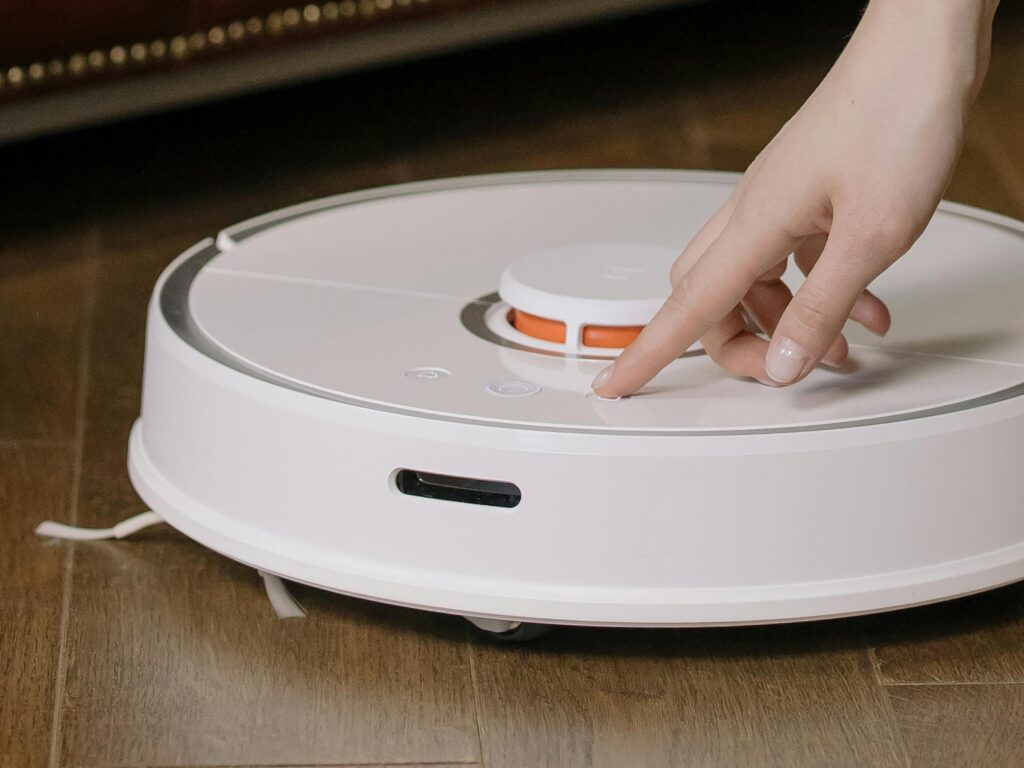
These are the most common robotic window cleaners.
They use strong suction motors to stay attached to glass surfaces while moving automatically.
Suitable for:
- Vertical windows
- Large glass panels
- Frameless windows
Magnetic Window Cleaners
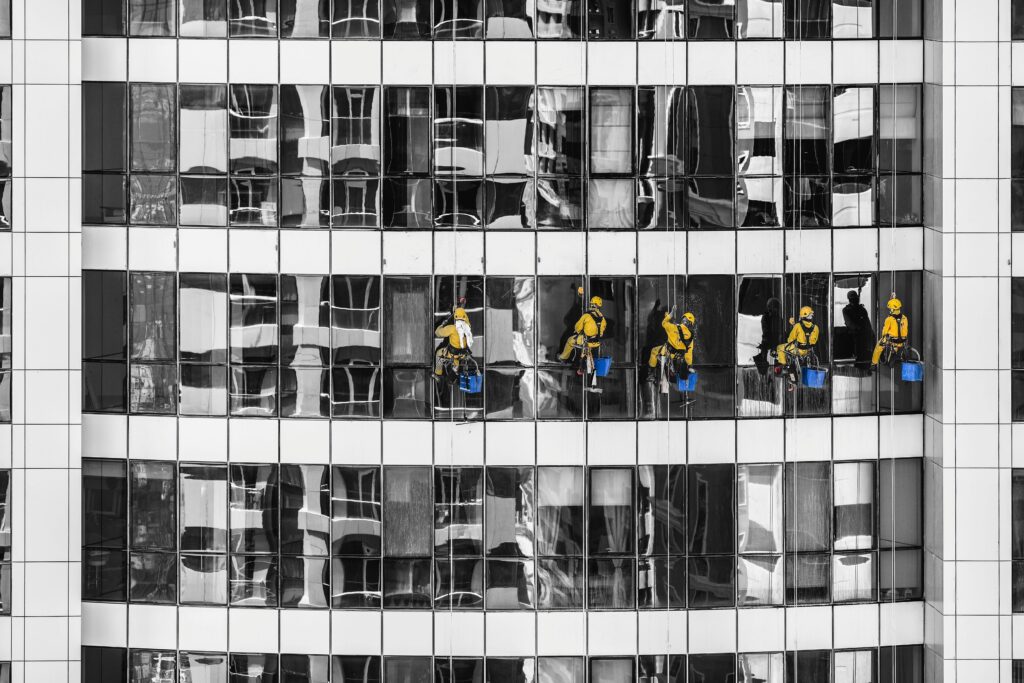
Magnetic robotic cleaners use magnets placed on opposite sides of the glass.
One section remains inside while the other cleans the outside.
These systems are often used for:
- Apartment windows
- Double-sided cleaning
However, they may work best on thinner glass.
AI-Powered Smart Window Cleaners
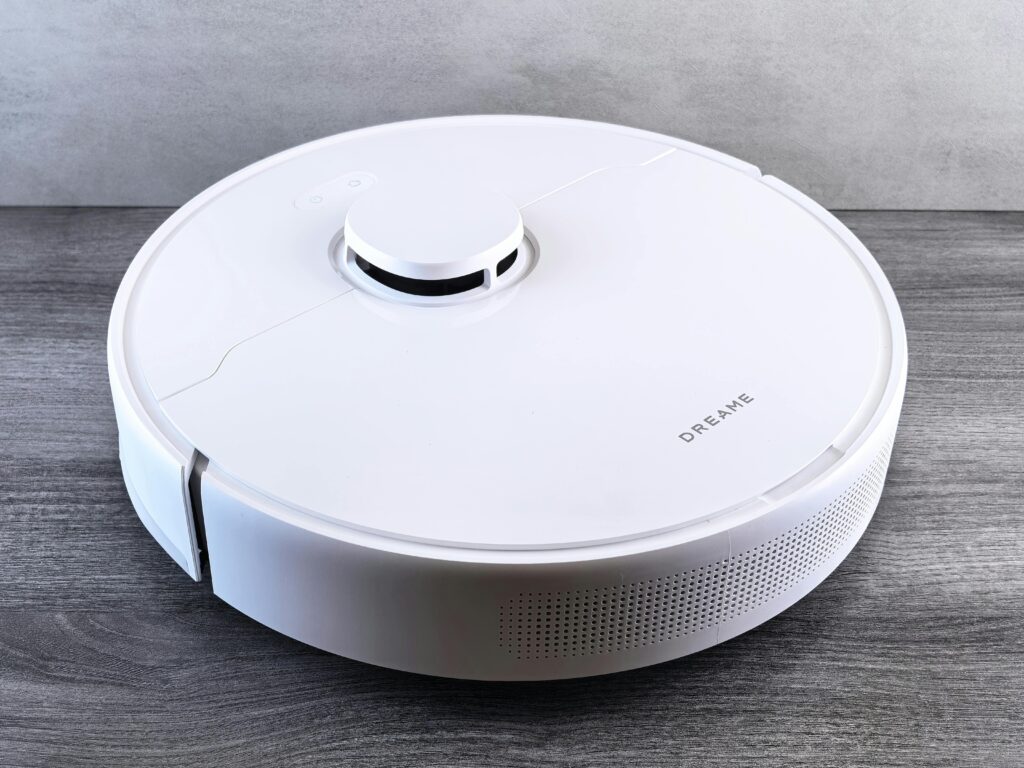
Advanced robotic cleaners include artificial intelligence and smart mapping systems.
Features may include:
- Route optimization
- App control
- Voice assistant integration
- Automatic edge detection
These systems provide improved efficiency and convenience.
Best Features to Look for in Robotic Window Cleaners
Strong Suction Power
Reliable suction ensures safe operation on vertical surfaces.
Smart Navigation
Advanced navigation improves cleaning coverage and efficiency.
Edge Detection Sensors
Edge sensors help robots avoid falling from frameless windows and glass edges.
Quiet Operation
Low-noise operation improves comfort during use.
App Connectivity
Some smart models offer:
- Smartphone control
- Scheduling
- Remote monitoring
- Cleaning status updates
Backup Battery
Backup power systems help prevent falls during power interruptions.
Reusable Cleaning Pads
Washable microfiber pads reduce long-term maintenance costs.
Robotic Window Cleaners for Apartments
Apartment residents often struggle with cleaning exterior windows safely.
Robotic window cleaners provide a convenient and safer solution for:
- High-rise apartments
- Balcony glass
- Sliding doors
- Hard-to-reach windows
Compact robotic models are especially useful for urban living spaces.
Robotic Window Cleaners for Homes
Modern homes with extensive glass architecture benefit significantly from robotic cleaning systems.
Popular residential uses include:
- Patio doors
- Skylights
- Bathroom mirrors
- Sunrooms
- Glass stair railings
These devices help maintain clean windows with minimal effort.
Commercial Uses of Robotic Window Cleaners
Businesses and commercial buildings increasingly use robotic window cleaners to maintain professional appearances.
Commercial applications include:
- Office buildings
- Hotels
- Retail stores
- Restaurants
- Glass storefronts
Automation helps reduce cleaning labor and improve efficiency.
Smart Home Integration
Many robotic window cleaners now integrate with smart home systems.
Features may include compatibility with:
- Amazon Alexa
- Google Assistant
- Mobile apps
This allows users to schedule and monitor cleaning remotely.
Energy Efficiency and Sustainability
Robotic window cleaners can support sustainable living in several ways.
Reusable Cleaning Pads
Reusable microfiber cloths reduce disposable waste.
Reduced Water Usage
Many robotic systems use minimal cleaning solution and water.
Longer Window Lifespan
Regular maintenance helps preserve glass quality and appearance over time.
Common Challenges of Robotic Window Cleaners
Initial Cost
High-quality robotic cleaners can require a significant upfront investment.
However, many users value the convenience and time savings.
Power Cord Limitations
Some models require continuous power through cords.
Cord management may be necessary during operation.
Performance on Extremely Dirty Windows
Very dirty windows may require pre-cleaning before robotic maintenance cleaning.
Cleaning Corners Completely
Round cleaning pads may occasionally miss tight corners.
Some newer models improve corner coverage through advanced designs.
Tips for Using Robotic Window Cleaners Effectively
Clean Pads Regularly
Dirty pads reduce cleaning performance and may leave streaks.
Avoid Extreme Weather
Outdoor window cleaning is best during calm weather conditions.
Use Approved Cleaning Solutions
Always follow manufacturer recommendations for cleaning liquids.
Check Safety Features
Ensure suction systems and safety ropes are functioning properly before use.
Maintenance of Robotic Window Cleaners
Regular maintenance improves performance and lifespan.
Wipe Sensors
Dusty sensors may affect navigation accuracy.
Replace Worn Pads
Old microfiber pads may reduce cleaning effectiveness.
Inspect Suction Systems
Check air filters and suction motors regularly.
Store Properly
Store robotic cleaners in dry, protected areas when not in use.
Future Trends in Robotic Window Cleaning Technology
Robotic cleaning technology continues evolving rapidly.
Future innovations may include:
- AI-powered navigation
- Fully cordless systems
- Improved edge cleaning
- Enhanced safety systems
- Voice-controlled automation
- Smart home integration
As smart home technology advances, robotic window cleaners are expected to become even more efficient and accessible.
Robotic Window Cleaners and Smart Living
Robotic window cleaners fit naturally into modern smart home lifestyles.
These devices complement other smart cleaning technologies such as:
- Robot vacuums
- Smart air purifiers
- Automated mops
- Smart home assistants
Together, these systems simplify household management and improve convenience.
Frequently Asked Questions About Robotic Window Cleaners
What Is a Robotic Window Cleaner?
A robotic window cleaner is an automated device that attaches to glass surfaces and cleans windows using suction, sensors, and microfiber pads.
Are Robotic Window Cleaners Safe?
Most quality models include safety ropes, backup batteries, and edge detection systems for safe operation.
Can Robotic Window Cleaners Clean Frameless Glass?
Yes. Many advanced models use edge sensors specifically designed for frameless windows.
Do Robotic Window Cleaners Work on Mirrors?
Yes. Most robotic cleaners can clean mirrors, shower glass, and smooth glass surfaces.
Are Robotic Window Cleaners Worth It?
For many homeowners, robotic window cleaners provide valuable convenience, safety, and time savings.
Why Robotic Window Cleaners Represent the Future of Home Cleaning
As homes become smarter and automation continues advancing, robotic cleaning devices are becoming essential parts of modern living.
Robotic window cleaners combine:
- Automation
- Safety
- Convenience
- Smart technology
- Time efficiency
These devices help homeowners maintain cleaner spaces while reducing manual effort and improving safety.
The increasing popularity of smart homes will likely continue driving demand for automated cleaning solutions.
Final Thoughts on Robotic Window Cleaners
Robotic window cleaners are transforming how homeowners and businesses maintain glass surfaces by offering safer, smarter, and more convenient cleaning solutions. Whether you live in a small apartment or a modern home with extensive windows, these intelligent devices simplify one of the most difficult household chores.
At Fresh Perspective, we believe smart technology should improve everyday living while reducing stress and saving valuable time.
The best part about robotic window cleaners is their ability to automate a task that many people find inconvenient, tiring, or even dangerous.
With advanced suction systems, smart navigation, reusable cleaning pads, and modern safety features, robotic window cleaners continue becoming one of the most practical innovations in smart home cleaning technology.
As automation and smart living continue shaping the future of modern homes, robotic window cleaners are likely to become even more common in households seeking convenience, efficiency, and effortless home maintenance.
 janellecoouture@gmail.com