
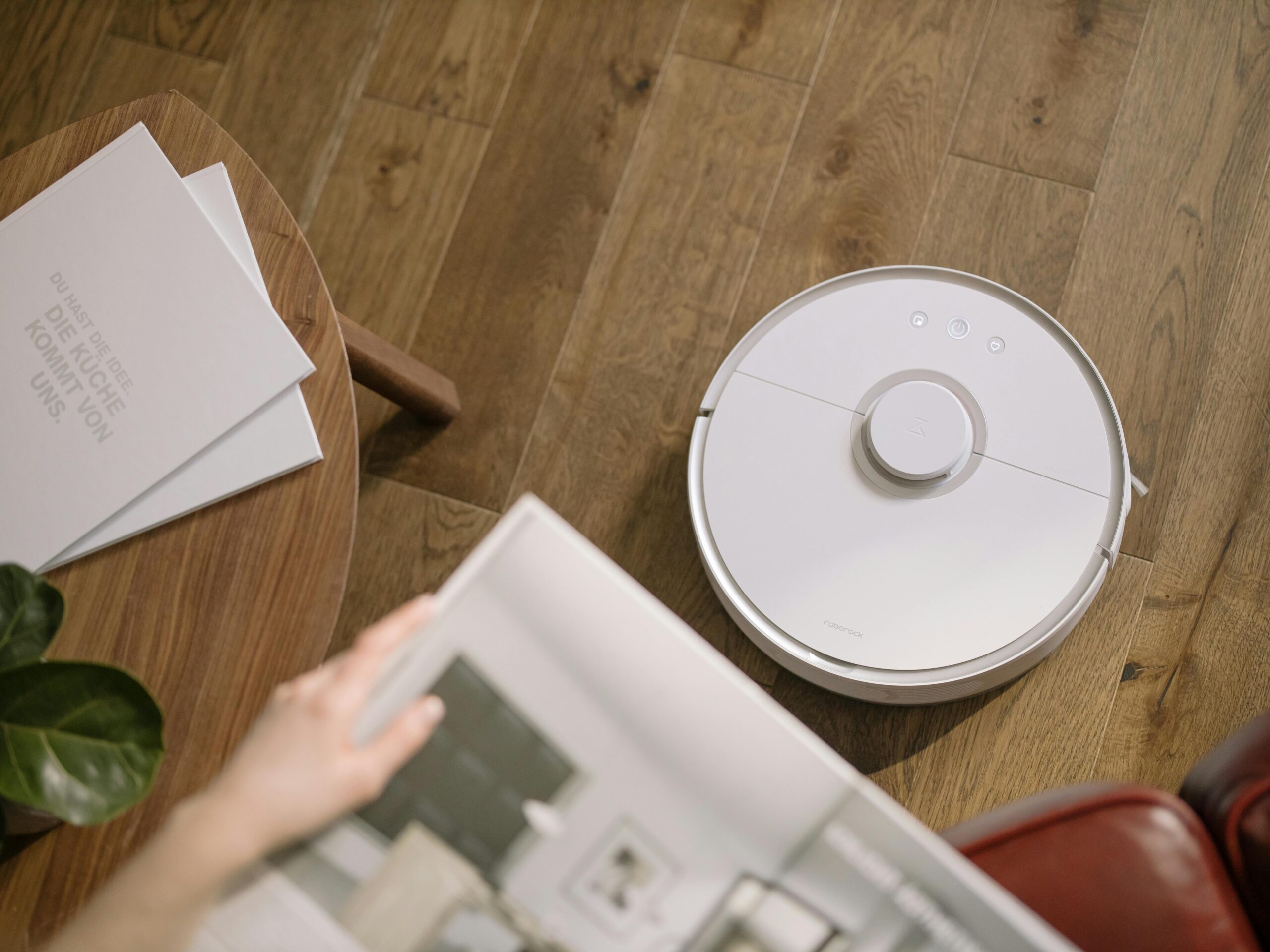
Smart homes are rapidly becoming the standard for modern living as homeowners seek greater convenience, energy efficiency, security, and automation. At the center of many smart homes is one powerful technology that connects and controls everything together — the home automation hub.
At Fresh Perspective, we believe smart living should simplify everyday routines while creating more comfortable, efficient, and connected homes. Home automation hubs make this possible by acting as the central control system for smart devices throughout the house.
Whether you want to automate lighting, manage security systems, control entertainment devices, or create advanced smart routines, home automation hubs provide the foundation for a fully connected smart home experience.
In this complete guide, you’ll learn everything you need to know about home automation hubs, including how they work, their benefits, popular types, smart features, setup tips, future trends, and answers to frequently asked questions.
What Are Home Automation Hubs?
Home automation hubs are centralized systems that connect, manage, and control multiple smart devices within a home.
These hubs act as communication centers between:
- Smart lights
- Thermostats
- Security systems
- Smart locks
- Sensors
- Appliances
- Voice assistants
- Entertainment systems
Instead of controlling every smart device individually through separate apps, homeowners can manage everything through one central platform.
Home automation hubs simplify smart home management while improving device compatibility and automation.
Why Home Automation Hubs Are Becoming Popular
As smart devices become more common, many homeowners experience challenges managing multiple systems and apps.
Home automation hubs solve these problems by offering:
- Centralized control
- Better automation
- Improved compatibility
- Simplified smart home management
- Enhanced efficiency
Modern households increasingly want connected ecosystems where devices work together seamlessly.
This demand is driving rapid growth in smart home hub adoption.
How Home Automation Hubs Work
Home automation hubs communicate with connected smart devices using wireless technologies such as:
- Wi-Fi
- Bluetooth
- Zigbee
- Z-Wave
- Matter
- Thread
The hub receives commands from users and sends instructions to connected devices.
Users can control systems through:
- Smartphone apps
- Voice assistants
- Touch panels
- Automation schedules
For example, a hub can automatically:
- Turn off lights at bedtime
- Lock doors when leaving home
- Adjust thermostats based on occupancy
- Activate security systems at night
This automation improves convenience and efficiency.
Benefits of Home Automation Hubs
Centralized Smart Home Control
One of the biggest advantages of automation hubs is centralized management.
Instead of using multiple apps for different devices, homeowners can control everything from one interface.
This simplifies smart home operation significantly.
Improved Device Compatibility
Many smart devices use different communication protocols.
Automation hubs help connect devices from multiple brands into one unified system.
This improves interoperability and flexibility.
Advanced Automation Routines
Home automation hubs allow users to create customized routines and automations.
Examples include:
- Morning routines
- Vacation modes
- Security schedules
- Energy-saving routines
- Nighttime automation
Multiple devices can respond together automatically.
Enhanced Home Security
Smart hubs improve home security by integrating:
- Cameras
- Motion sensors
- Smart locks
- Alarms
- Video doorbells
Users can monitor and control security systems remotely.
Energy Efficiency
Automation hubs help optimize energy usage through smart scheduling and device management.
Examples include:
- Turning off unused lights
- Adjusting thermostats automatically
- Managing appliance schedules
This may help reduce utility costs over time.
Popular Types of Home Automation Hubs
Wi-Fi Smart Hubs
Wi-Fi hubs connect devices through home internet networks.
These systems are easy to set up and commonly support many smart devices.
Zigbee Hubs
Zigbee is a low-power wireless communication protocol designed for smart home devices.
Benefits include:
- Reliable connectivity
- Low energy usage
- Strong mesh networking
Many smart lighting systems use Zigbee technology.
Z-Wave Hubs
Z-Wave is another popular smart home communication protocol.
Advantages include:
- Secure communication
- Reliable automation
- Broad smart device support
Z-Wave systems are widely used in smart security and automation setups.
Matter-Compatible Hubs
Matter is a newer smart home standard designed to improve device compatibility across brands.
Matter aims to simplify smart home integration and reduce compatibility issues.
Smart Devices Commonly Connected to Automation Hubs
Smart Lighting Systems
Home automation hubs can control:
- Smart bulbs
- Light switches
- Dimmers
- Motion-activated lighting
Users can automate lighting schedules and scenes.
Smart Thermostats
Climate control systems can adjust temperatures automatically based on:
- Occupancy
- Time schedules
- Weather conditions
Smart Security Systems
Automation hubs often integrate:
- Cameras
- Door sensors
- Smart locks
- Alarm systems
This improves centralized security management.
Smart Appliances
Connected appliances may include:
- Refrigerators
- Coffee makers
- Washing machines
- Air purifiers
Automation improves convenience and scheduling.
Smart Entertainment Systems
Hubs can manage:
- TVs
- Speakers
- Streaming devices
- Multi-room audio systems
Voice and app control simplify entertainment management.
Voice Assistants and Home Automation Hubs
Many automation hubs integrate with voice assistants such as:
- Amazon Alexa
- Google Assistant
- Apple Siri
Voice commands allow users to control devices hands-free.
Examples include:
- “Turn off the living room lights”
- “Activate movie mode”
- “Lock all doors”
Voice integration improves smart home convenience.
Home Automation Hubs and Smart Routines
One of the most powerful features of automation hubs is smart routines.
Morning Routines
A hub can automatically:
- Turn on lights
- Start coffee makers
- Adjust thermostats
- Read weather updates
Nighttime Routines
Evening automation may include:
- Locking doors
- Dimming lights
- Turning off electronics
- Activating alarms
Vacation Modes
While away from home, automation hubs can:
- Simulate occupancy
- Monitor security
- Adjust temperatures
- Manage lighting schedules
Home Automation Hubs for Families
Families often benefit greatly from centralized smart home systems.
Useful features include:
- Shared automation routines
- Child safety monitoring
- Energy management
- Household organization
Automation simplifies busy family lifestyles.
Home Automation Hubs for Seniors
Smart home systems can support independent living for older adults.
Helpful features include:
- Voice control
- Emergency alerts
- Automated lighting
- Medication reminders
- Security monitoring
These systems improve safety and accessibility.
Smart Home Security and Automation Hubs
Security is one of the biggest reasons homeowners adopt automation hubs.
Integrated security systems may include:
- Motion sensors
- Smart locks
- Video doorbells
- Surveillance cameras
- Smoke detectors
Users can monitor homes remotely through apps and notifications.
Energy Management with Automation Hubs
Automation hubs help improve household energy efficiency.
Examples include:
- Scheduling appliance operation
- Adjusting HVAC systems automatically
- Managing lighting usage
- Monitoring energy consumption
Smart energy management supports sustainable living.
Common Challenges of Home Automation Hubs
Compatibility Issues
Not all smart devices work with every hub.
Research compatibility before purchasing devices.
Internet Dependence
Many smart home features rely heavily on internet connectivity.
Learning Curve
Advanced automation systems may require time to understand fully.
Initial Costs
Building a connected smart home ecosystem may require significant upfront investment.
However, many homeowners expand gradually over time.
Tips for Choosing the Right Home Automation Hub
Check Device Compatibility
Ensure the hub supports your preferred smart devices and communication protocols.
Consider Future Expansion
Choose systems that allow additional device integration later.
Evaluate Smart Features
Look for:
- Voice assistant support
- Automation routines
- Mobile app quality
- Remote access
Prioritize Security
Select hubs with strong cybersecurity protections and regular software updates.
Setting Up a Home Automation Hub
Basic setup typically includes:
- Connecting the hub to Wi-Fi
- Installing mobile apps
- Pairing smart devices
- Creating automation routines
- Testing system functionality
Some advanced systems may require more detailed configuration.
Home Automation Hubs and Smart Cities
As smart cities continue developing, connected homes may integrate more closely with urban infrastructure.
Potential future applications include:
- Smart energy grids
- Utility management
- Public safety systems
- Environmental monitoring
Automation hubs may become increasingly important in future digital ecosystems.
Future Trends in Home Automation Hubs
Smart home technology continues evolving rapidly.
Future innovations may include:
- AI-powered automation
- Improved interoperability
- Predictive smart routines
- Advanced voice recognition
- Better energy optimization
- Enhanced cybersecurity
Smart homes are expected to become more intelligent and personalized over time.
Home Automation Hubs and Sustainable Living
Automation hubs support eco-friendly lifestyles by improving resource efficiency.
Benefits include:
- Reduced energy waste
- Smarter climate control
- Efficient lighting management
- Optimized appliance usage
Smart homes can contribute to more sustainable living environments.
Frequently Asked Questions About Home Automation Hubs
What Is a Home Automation Hub?
A home automation hub is a central system that connects and controls multiple smart devices within a home.
Do You Need a Home Automation Hub?
Some smart devices work independently, but hubs improve automation and centralized control.
Are Home Automation Hubs Secure?
They can be secure when users follow proper cybersecurity practices and update systems regularly.
Can Home Automation Hubs Work Without Internet?
Some local automation features may continue functioning, but cloud-based services often require internet access.
What Devices Can Connect to Automation Hubs?
Compatible devices may include lighting, thermostats, locks, cameras, appliances, and entertainment systems.
Why Home Automation Hubs Represent the Future of Smart Living
Modern homeowners increasingly prioritize:
- Convenience
- Automation
- Security
- Energy efficiency
- Connectivity
Home automation hubs combine all of these benefits into centralized smart home ecosystems.
As smart technology becomes more advanced and accessible, automation hubs are likely to become standard features in modern homes.
Final Thoughts on Home Automation Hubs
Home automation hubs are transforming modern living by creating more connected, efficient, secure, and intelligent homes. Whether managing lighting, climate control, entertainment systems, or security devices, these centralized systems simplify everyday life while improving convenience and automation.
At Fresh Perspective, we believe smart technology should support smarter, safer, and more sustainable lifestyles.
The best part about home automation hubs is their flexibility. Homeowners can start small with basic smart devices and gradually build fully integrated smart home ecosystems tailored to their unique needs.
With continued advancements in artificial intelligence, wireless communication, smart energy management, and connected living technologies, home automation hubs will remain at the center of the future smart home revolution.