
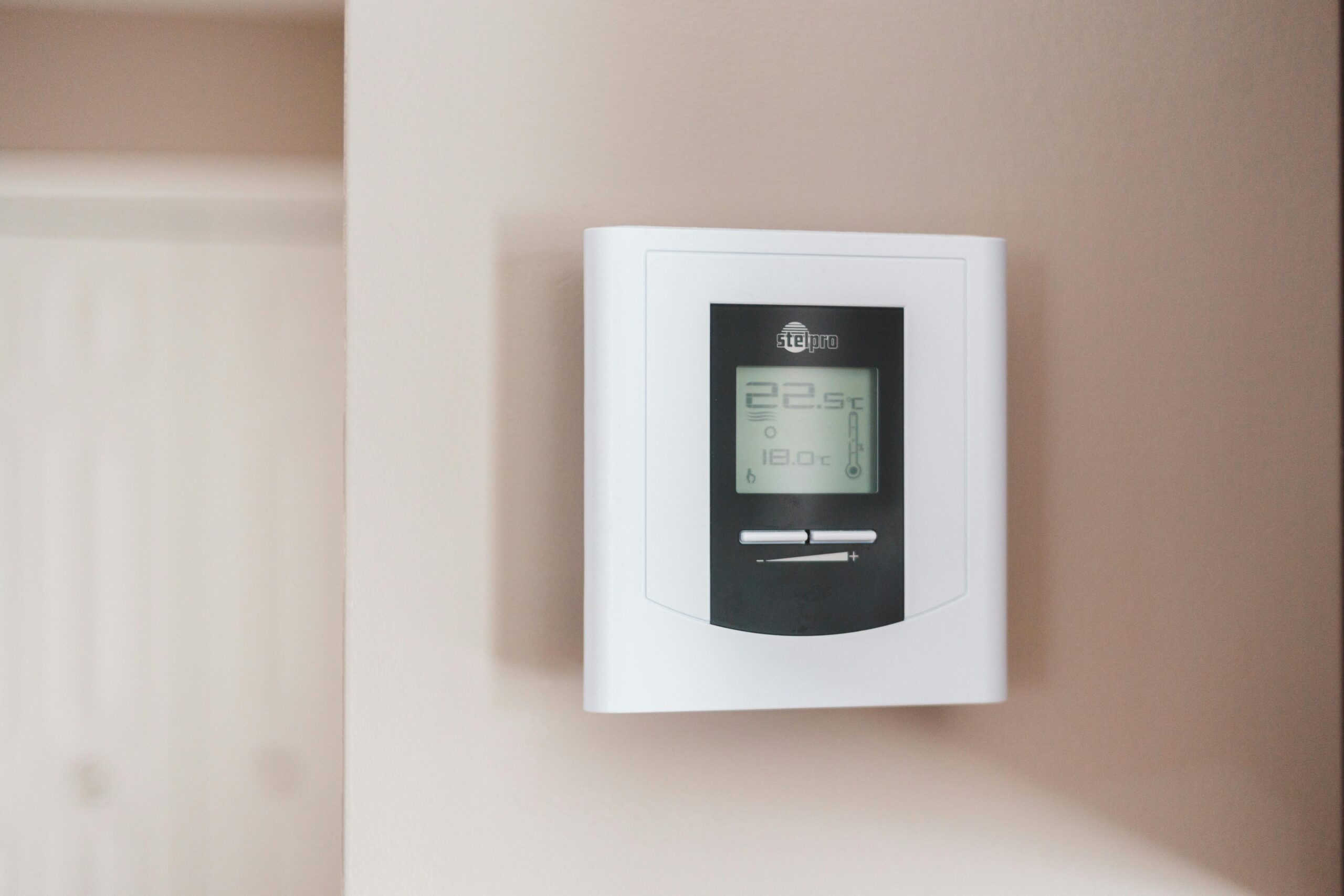
Modern homeowners are increasingly searching for smarter ways to improve home comfort while reducing energy costs and environmental impact. One of the most effective innovations in today’s smart home technology is smart thermostats and climate control systems. These intelligent devices allow households to automate heating and cooling, optimize indoor temperatures, and create more energy-efficient living environments.
At Fresh Perspective, we believe smart home technology should combine comfort, convenience, and sustainability. Smart thermostats and climate control systems are helping homeowners achieve all three by transforming how indoor environments are managed throughout the year.
Whether you want to lower utility bills, improve home automation, maintain consistent temperatures, or create a more eco-friendly household, smart climate control systems offer powerful solutions for modern living.
In this complete guide, you’ll learn everything you need to know about smart thermostats and climate control, including how they work, their benefits, smart features, installation tips, energy-saving strategies, future trends, and answers to frequently asked questions.
What Are Smart Thermostats and Climate Control Systems?
Smart thermostats are internet-connected devices that automatically manage home heating and cooling systems using sensors, artificial intelligence, automation, and remote connectivity.
Climate control systems refer to technologies that regulate indoor environmental conditions such as:
- Temperature
- Humidity
- Air circulation
- Ventilation
- Cooling
- Heating
Unlike traditional thermostats, smart systems learn user habits, adjust temperatures automatically, and allow remote control through mobile apps or voice assistants.
Modern climate control systems often integrate with:
- Smart home ecosystems
- Weather monitoring
- Occupancy sensors
- Energy management platforms
These systems improve comfort while reducing unnecessary energy consumption.
Why Smart Thermostats Are Becoming So Popular
The popularity of smart thermostats and climate control systems continues growing because homeowners want:
- Lower energy bills
- Greater comfort
- Remote access
- Smart home automation
- Eco-friendly solutions
- Improved efficiency
Heating and cooling systems are among the largest energy consumers in most homes. Smart climate technology helps optimize HVAC performance while maintaining comfortable indoor temperatures.
As smart homes become more common, intelligent thermostats are increasingly viewed as essential household upgrades.
How Smart Thermostats Work
Smart thermostats connect to home HVAC systems and use sensors, Wi-Fi, and automation software to regulate indoor temperatures more efficiently.
Users can control systems through:
- Smartphone apps
- Voice assistants
- Touchscreen displays
- Automated schedules
Advanced smart thermostats may use:
- AI learning
- Occupancy detection
- Geofencing
- Weather forecasting
- Energy monitoring
These technologies allow the thermostat to adjust temperatures automatically based on household activity and environmental conditions.
Benefits of Smart Thermostats and Climate Control
Improved Energy Efficiency
One of the biggest advantages of smart thermostats is reduced energy consumption.
Smart systems optimize heating and cooling by:
- Avoiding unnecessary HVAC operation
- Adjusting temperatures automatically
- Monitoring occupancy patterns
- Managing schedules efficiently
This helps homeowners lower electricity and heating costs.
Lower Utility Bills
Efficient temperature management can significantly reduce monthly energy expenses.
Many homeowners report noticeable savings after installing smart climate control systems.
Enhanced Home Comfort
Smart climate systems help maintain more consistent indoor temperatures.
Users can personalize settings for:
- Different rooms
- Daily schedules
- Sleep comfort
- Seasonal changes
This creates more comfortable living environments year-round.
Remote Access and Control
Smart thermostats allow homeowners to control indoor temperatures remotely.
Using mobile apps, users can:
- Adjust settings while away
- Turn systems on or off
- Monitor home temperatures
- Change schedules instantly
This flexibility improves convenience and efficiency.
Smart Home Integration
Modern thermostats often integrate with:
- Amazon Alexa
- Google Assistant
- Apple HomeKit
- Smart lighting systems
- Smart sensors
Connected devices create more automated smart home experiences.
Popular Features in Smart Thermostats
Learning Technology
Some smart thermostats use artificial intelligence to learn user preferences automatically.
Over time, the system adapts based on:
- Occupancy patterns
- Preferred temperatures
- Daily routines
This improves both comfort and efficiency.
Geofencing
Geofencing uses smartphone location tracking to adjust temperatures automatically when homeowners leave or return.
This helps reduce energy waste.
Energy Usage Reports
Many systems provide detailed energy monitoring and reports.
Users can track:
- HVAC usage
- Energy trends
- Cost estimates
- Efficiency improvements
These insights help optimize household energy consumption.
Multi-Zone Climate Control
Advanced systems allow independent temperature control in different areas of the home.
Benefits include:
- Personalized comfort
- Reduced energy waste
- Better temperature balance
Multi-zone systems are especially useful for larger homes.
Voice Control
Voice assistant compatibility allows users to control climate settings hands-free.
Examples include:
- “Set the temperature to 72 degrees”
- “Turn on eco mode”
- “Lower the thermostat”
Smart Thermostats and Energy Savings
Heating and cooling account for a large portion of household energy use.
Smart climate systems reduce waste by:
- Preventing excessive heating or cooling
- Optimizing schedules
- Detecting occupancy
- Responding to weather conditions
Energy-efficient homes support both financial savings and environmental sustainability.
Climate Control and Indoor Air Quality
Modern climate systems often support improved indoor air quality.
Some advanced systems manage:
- Humidity levels
- Air filtration
- Ventilation
- Air circulation
Better air quality may improve:
- Comfort
- Respiratory health
- Allergy management
Smart Thermostats for Different Types of Homes
Apartments
Apartment residents can benefit from compact smart thermostats that improve energy management and comfort.
Large Homes
Multi-zone climate systems work especially well for larger properties.
Smart Homes
Connected homes integrate thermostats with:
- Smart lighting
- Security systems
- Voice assistants
- Energy monitoring platforms
Vacation Homes
Remote climate control is useful for second homes and vacation properties.
Homeowners can monitor temperatures from anywhere.
Smart Thermostats and Sustainable Living
Sustainability is one of the biggest reasons homeowners adopt smart climate technology.
Reduced Carbon Footprint
Efficient HVAC operation lowers household energy consumption and environmental impact.
Supports Eco-Friendly Homes
Smart thermostats contribute to greener homes by reducing unnecessary energy waste.
Smart Energy Management
Some systems integrate with renewable energy and smart grid technologies.
Installation of Smart Thermostats
Many smart thermostats are relatively easy to install.
Basic installation usually involves:
- Disconnecting power
- Removing the old thermostat
- Connecting wiring
- Mounting the new device
- Configuring Wi-Fi settings
Some HVAC systems may require professional installation for compatibility and safety.
Common Challenges with Smart Thermostats
Compatibility Issues
Not all HVAC systems support every smart thermostat.
Always verify compatibility before purchasing.
Wi-Fi Dependence
Most advanced features rely on internet connectivity.
Learning Curve
Some users may need time to understand automation settings and app controls.
Initial Cost
Smart thermostats often cost more than traditional models.
However, long-term energy savings may offset installation expenses.
Tips for Using Smart Thermostats Effectively
Create Efficient Schedules
Programming schedules helps optimize energy usage.
Use Eco Modes
Many thermostats include energy-saving settings designed to reduce consumption.
Adjust Temperatures Gradually
Extreme temperature changes may increase HVAC strain and energy use.
Monitor Energy Reports
Reviewing energy data helps identify opportunities for greater efficiency.
Smart Climate Control for Families
Families often benefit greatly from automated climate management.
Useful features include:
- Consistent room temperatures
- Sleep comfort settings
- Child room monitoring
- Vacation scheduling
Automation simplifies household comfort management.
Smart Thermostats and Smart Sensors
Many systems use sensors to improve efficiency.
Sensors may monitor:
- Occupancy
- Motion
- Humidity
- Window openings
- Temperature variations
These sensors help optimize climate control automatically.
Climate Control and Seasonal Adjustments
Smart thermostats adapt to changing seasons more effectively than traditional systems.
Examples include:
- Reducing heating during warm days
- Managing cooling during heat waves
- Adjusting humidity in winter
Seasonal optimization improves comfort and efficiency.
Future Trends in Smart Thermostats and Climate Control
Climate technology continues advancing rapidly.
Future innovations may include:
- AI-powered predictive climate control
- Advanced energy grid integration
- Improved air quality monitoring
- Fully automated home climate ecosystems
- Enhanced voice interaction
- Smart renewable energy integration
The future of smart climate systems will likely focus heavily on sustainability and automation.
Smart Thermostats and Smart Cities
As smart cities continue developing, intelligent energy management systems may become standard in homes and buildings.
Smart climate systems support:
- Reduced energy demand
- Efficient resource management
- Lower emissions
- Sustainable urban living
Frequently Asked Questions About Smart Thermostats and Climate Control
What Is a Smart Thermostat?
A smart thermostat is an internet-connected device that automatically manages heating and cooling systems for improved comfort and efficiency.
Do Smart Thermostats Save Money?
Yes. Many homeowners reduce energy costs through optimized HVAC scheduling and automation.
Can Smart Thermostats Be Controlled Remotely?
Most smart thermostats allow remote control using smartphone apps.
Are Smart Thermostats Easy to Install?
Many systems are DIY-friendly, although some HVAC setups may require professional installation.
Do Smart Thermostats Work Without Wi-Fi?
Basic thermostat functions may still work, but advanced smart features often require internet access.
Why Smart Thermostats Represent the Future of Home Comfort
Modern homeowners increasingly prioritize:
- Comfort
- Automation
- Energy efficiency
- Sustainability
- Smart living
Smart thermostats combine all of these benefits into one intelligent system.
As energy costs rise and environmental awareness grows, smart climate control technology is becoming a key part of future-ready homes.
Final Thoughts on Smart Thermostats and Climate Control
Smart thermostats and climate control systems are transforming modern living by creating more comfortable, energy-efficient, and connected homes. Whether you want lower utility bills, improved indoor comfort, smarter automation, or environmentally responsible living, these systems offer practical and long-term benefits.
At Fresh Perspective, we believe smart technology should improve quality of life while supporting sustainable and efficient home management.
The best part about smart climate control systems is their ability to adapt automatically to changing lifestyles, weather conditions, and household needs.
With features such as AI learning, mobile app control, voice assistant integration, occupancy detection, and energy reporting, today’s smart thermostats offer far more than simple temperature control.
As smart homes continue evolving and sustainable living becomes increasingly important, smart thermostats and climate control systems will remain essential technologies shaping the future of modern homes.