
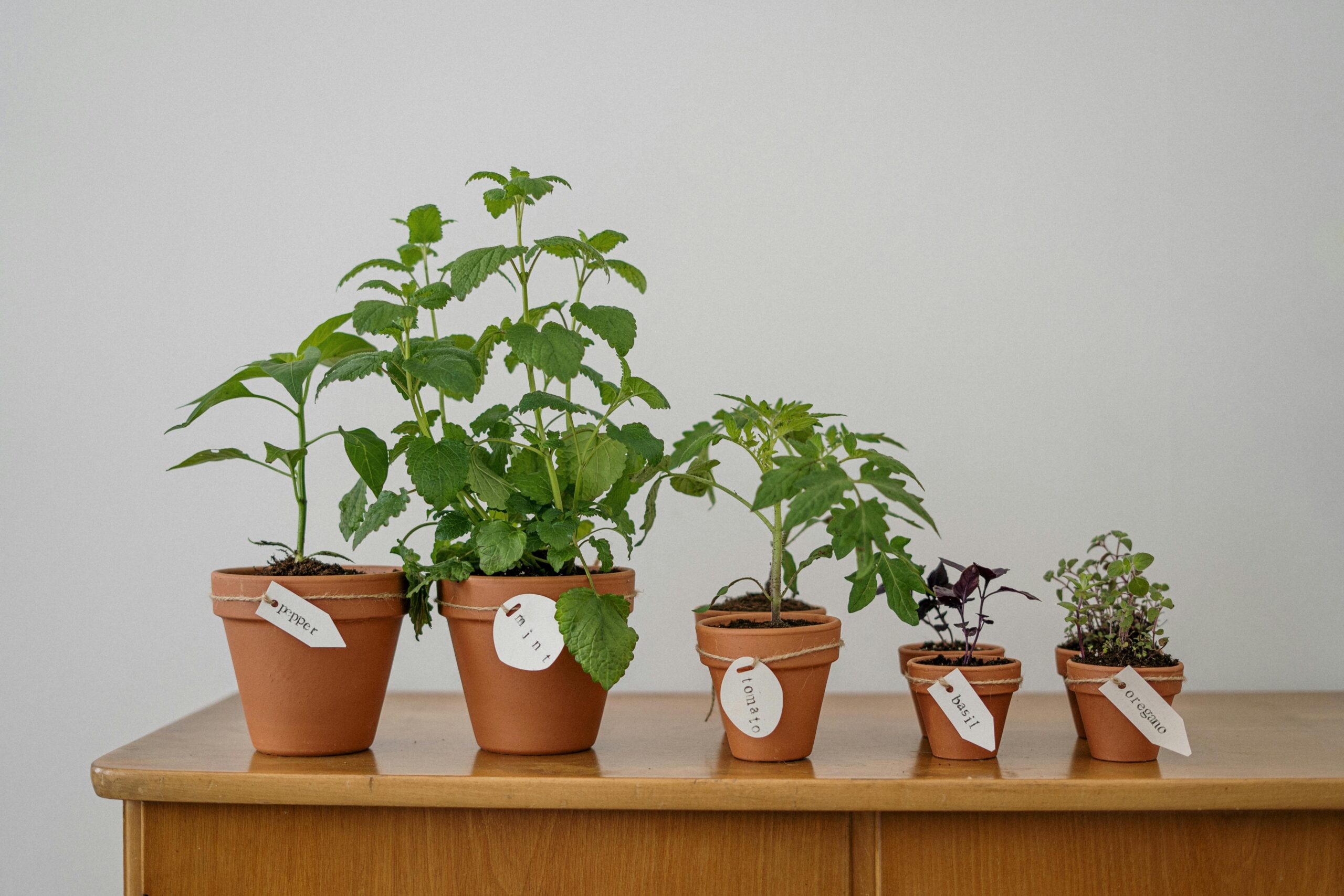
Herb gardening has become one of the most rewarding and practical hobbies for homeowners, apartment dwellers, and gardening enthusiasts around the world. Whether you have a large backyard, a small balcony, or just a sunny kitchen windowsill, growing herbs at home can transform your cooking, improve your lifestyle, and even save money over time.
At Fresh Perspective, we believe herb gardening is more than just planting seeds — it’s about creating a healthier lifestyle, enjoying fresh flavors, and connecting with nature in a meaningful way.
From basil and mint to rosemary and thyme, herbs are easy to grow, highly versatile, and perfect for beginners who want to start gardening without complicated maintenance routines.
In this complete guide, you’ll learn everything you need to know about herb gardening, including the best herbs to grow, indoor and outdoor gardening tips, soil preparation, watering schedules, common mistakes, harvesting methods, and answers to frequently asked questions.
What Is Herb Gardening?
Herb gardening is the practice of growing herbs for culinary, medicinal, aromatic, or decorative purposes. Herbs are among the easiest plants to cultivate because many varieties require minimal space and simple care.
Popular herbs include:
- Basil
- Mint
- Rosemary
- Thyme
- Parsley
- Cilantro
- Oregano
- Sage
- Chives
- Dill
These herbs can be grown:
- Indoors
- Outdoors
- In containers
- In raised beds
- On balconies
- In kitchen gardens
Herb gardening is ideal for beginners because herbs typically grow quickly and are easier to maintain than many vegetables or flowers.
Why Herb Gardening Is Becoming So Popular
Herb gardening has grown rapidly in popularity over the last decade because people are becoming more interested in:
- Healthy eating
- Organic cooking
- Sustainable living
- Home gardening
- Natural wellness
- DIY lifestyles
Fresh herbs provide better flavor compared to dried store-bought alternatives. In addition, growing herbs at home gives gardeners direct access to pesticide-free ingredients whenever needed.
Many people also enjoy herb gardening because it:
- Reduces grocery costs
- Improves home aesthetics
- Encourages outdoor activity
- Relieves stress
- Creates a relaxing hobby
Even small urban apartments can support indoor herb gardens using containers and proper lighting.
Best Herbs for Beginner Herb Gardening
Basil
Basil is one of the easiest and most popular herbs to grow.
It thrives in:
- Warm temperatures
- Full sunlight
- Moist but well-drained soil
Basil is commonly used in:
- Pasta dishes
- Salads
- Pizza
- Sauces
- Pesto
Frequent harvesting encourages bushier growth.
Mint
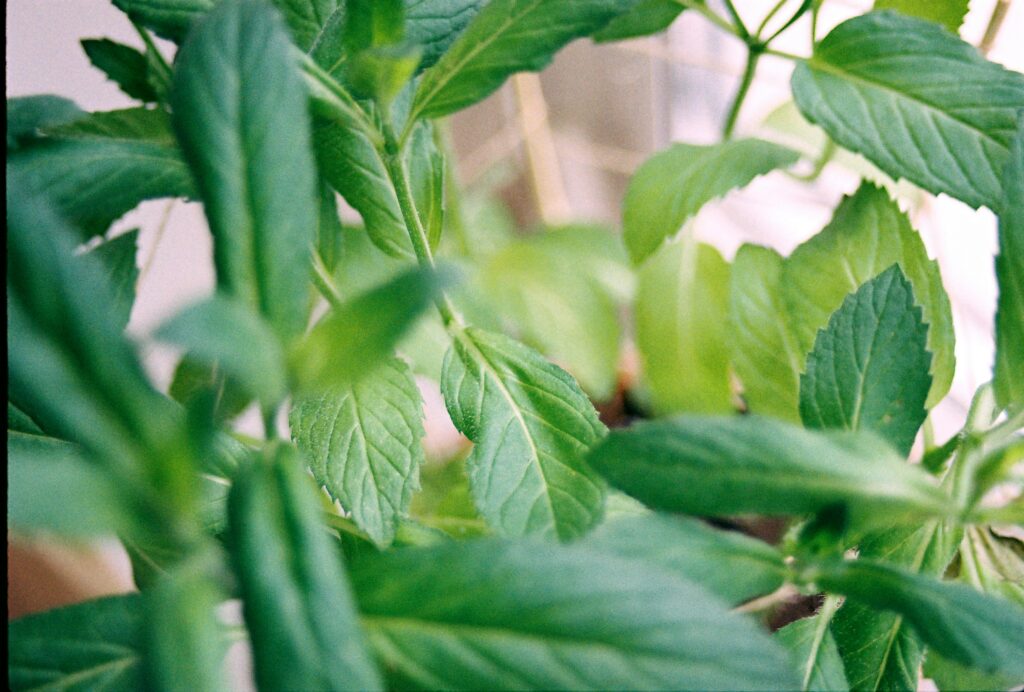
Mint grows quickly and spreads aggressively, making it ideal for container gardening.
It’s commonly used for:
- Tea
- Desserts
- Cocktails
- Aromatic purposes
Mint prefers:
- Partial sunlight
- Moist soil
- Regular watering
Because mint spreads rapidly, many gardeners keep it in separate pots.
Rosemary
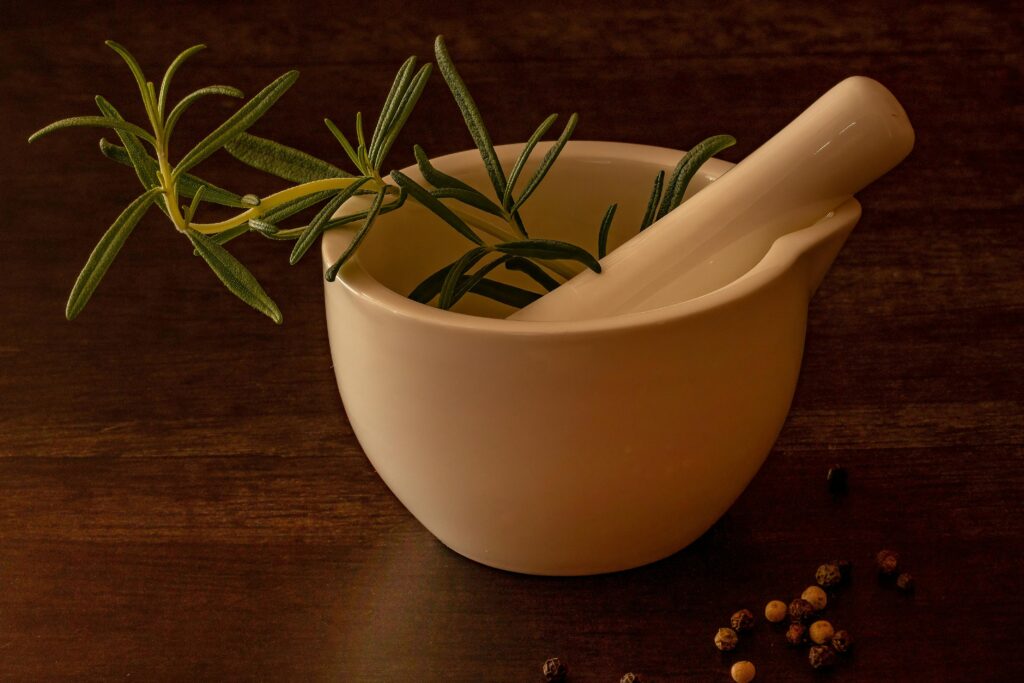
Rosemary is a hardy herb known for its strong aroma and evergreen appearance.
It grows best in:
- Full sun
- Well-drained soil
- Warm climates
Rosemary is excellent for:
- Roasted vegetables
- Meat dishes
- Decorative landscaping
Thyme
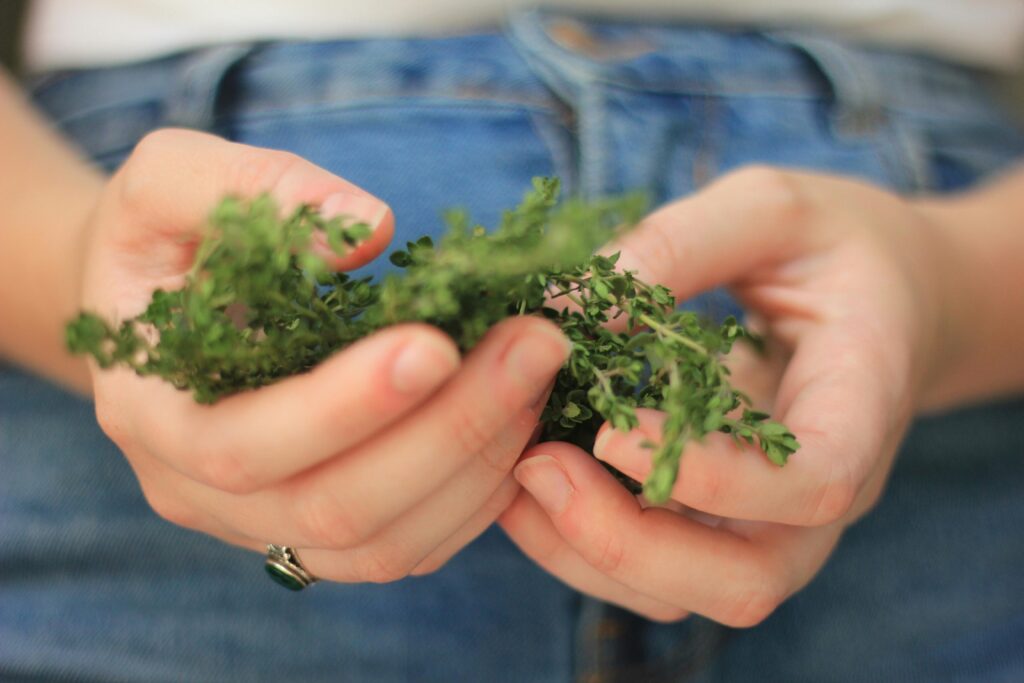
Thyme is low-maintenance and drought-tolerant.
It works well in:
- Rock gardens
- Containers
- Raised beds
Thyme is commonly used in:
- Soups
- Roasted dishes
- Mediterranean cuisine
Parsley
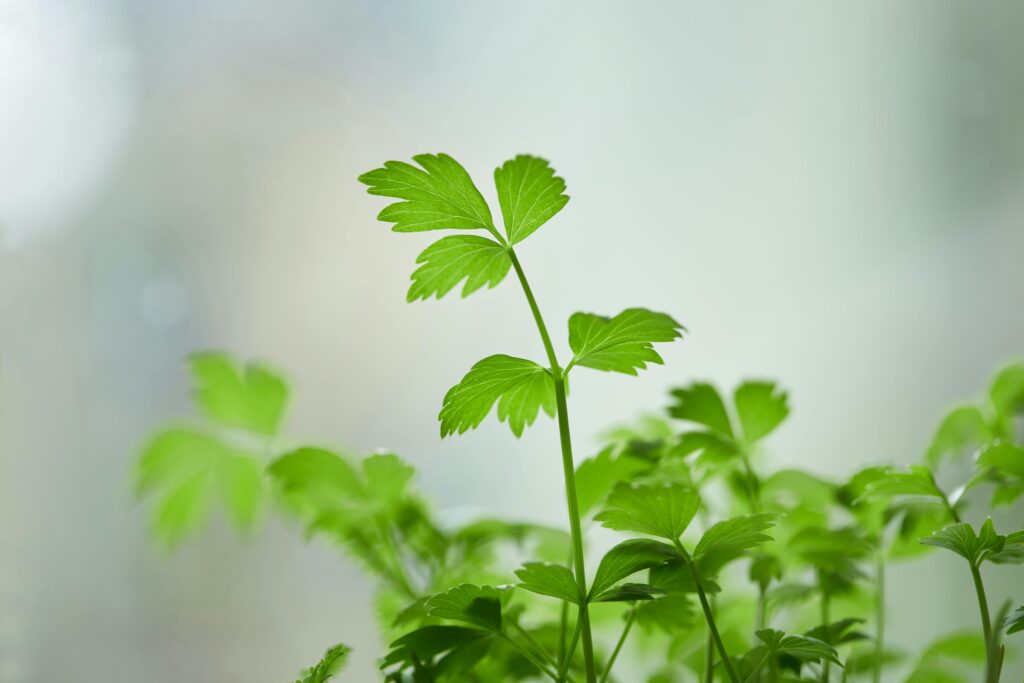
Parsley is rich in nutrients and works as both a garnish and cooking herb.
It grows best with:
- Moderate sunlight
- Moist soil
- Consistent watering
Parsley is often used in:
- Salads
- Sauces
- Rice dishes
- Soups
Indoor Herb Gardening Tips
Indoor herb gardening is perfect for people with limited outdoor space.
Choose a Sunny Location
Most herbs need at least:
- 6 to 8 hours of sunlight daily
South-facing windows are usually ideal.
If natural light is limited, grow lights can help maintain healthy growth.
Use Proper Containers
Containers should have:
- Drainage holes
- Enough depth for root growth
- High-quality potting mix
Avoid containers that trap excess water because overwatering can damage roots.
Avoid Overwatering
One of the most common beginner mistakes is watering herbs too frequently.
Most herbs prefer:
- Slightly moist soil
- Good drainage
- Moderate watering
Always check soil moisture before watering.
Rotate Plants Regularly
Rotating herb pots helps ensure even sunlight exposure and balanced growth.
Outdoor Herb Gardening Tips
Outdoor herb gardens can become beautiful additions to any home landscape.
Select the Right Location
Choose areas with:
- Good sunlight
- Proper drainage
- Air circulation
Most herbs thrive in full sun conditions.
Prepare Healthy Soil
Healthy soil is essential for successful herb gardening.
Add:
- Compost
- Organic matter
- Natural fertilizers
Good soil improves:
- Root development
- Moisture retention
- Nutrient availability
Group Herbs by Water Needs
Some herbs require more moisture than others.
For example:
- Basil and parsley need more water
- Rosemary and thyme prefer drier soil
Grouping similar herbs together makes watering easier.
Container Herb Gardening
Container herb gardening is one of the easiest ways to grow herbs in small spaces.
Benefits include:
- Easy mobility
- Better pest control
- Space efficiency
- Decorative flexibility
Popular container herbs include:
- Mint
- Basil
- Cilantro
- Chives
- Oregano
Containers are ideal for:
- Apartments
- Balconies
- Patios
- Small homes
How to Water Herbs Properly
Watering is one of the most important aspects of herb gardening.
General Watering Guidelines
- Water deeply but less frequently
- Avoid waterlogged soil
- Check moisture levels regularly
- Water early in the morning when possible
Different herbs have different needs, so observation is important.
Common Herb Gardening Mistakes
Overwatering
Too much water can cause:
- Root rot
- Yellow leaves
- Fungus growth
Poor Drainage
Without proper drainage, roots may suffocate.
Always use containers with drainage holes.
Insufficient Sunlight
Most herbs need strong sunlight to thrive.
Lack of sunlight can result in:
- Weak growth
- Pale leaves
- Reduced flavor
Crowded Plants
Herbs need airflow and space.
Overcrowding can increase:
- Disease risk
- Mold growth
- Competition for nutrients
Harvesting Herbs Correctly
Proper harvesting encourages healthier growth.
Best Harvesting Practices
- Use clean scissors
- Harvest regularly
- Avoid removing more than one-third of the plant
- Cut above leaf nodes
Frequent trimming often encourages fuller plants.
How to Preserve Fresh Herbs
Herbs can be preserved through:
- Drying
- Freezing
- Herb oils
- Herb butter
Drying herbs is one of the easiest methods for long-term storage.
Popular herbs for drying include:
- Rosemary
- Oregano
- Thyme
- Sage
Benefits of Growing Your Own Herbs
Better Flavor
Fresh herbs provide stronger flavor than many dried alternatives.
Healthier Cooking
Homegrown herbs support healthier cooking habits and natural ingredients.
Cost Savings
Store-bought herbs can become expensive over time.
Growing herbs at home reduces recurring grocery costs.
Stress Relief
Gardening is known to reduce stress and improve mental well-being.
Many people find herb gardening calming and therapeutic.
Sustainable Living
Herb gardening supports eco-friendly lifestyles by reducing packaging waste and transportation impact.
Herb Gardening for Small Spaces
You don’t need a large backyard to start herb gardening.
Creative small-space solutions include:
- Vertical gardens
- Hanging pots
- Window planters
- Balcony shelves
- Indoor grow stations
These methods make herb gardening accessible for nearly everyone.
Seasonal Herb Gardening Tips
Spring
Ideal for planting most herbs.
Summer
Focus on watering and harvesting.
Fall
Prepare herbs for cooler temperatures.
Winter
Move sensitive herbs indoors if necessary.
Organic Herb Gardening Tips
Many gardeners prefer organic herb gardening methods.
Organic gardening focuses on:
- Natural fertilizers
- Composting
- Chemical-free pest control
- Healthy soil ecosystems
Natural pest solutions may include:
- Neem oil
- Companion planting
- Hand removal of pests
Frequently Asked Questions About Herb Gardening
What Is the Easiest Herb to Grow?
Basil, mint, and chives are among the easiest herbs for beginners.
Can Herbs Grow Indoors?
Yes. Many herbs grow very well indoors with enough sunlight or grow lights.
How Often Should Herbs Be Watered?
It depends on the herb type, climate, and container size. Most herbs prefer moderate watering with good drainage.
Do Herbs Need Full Sun?
Most culinary herbs prefer at least 6 hours of sunlight daily.
Can You Grow Herbs Year-Round?
Yes. Indoor herb gardens can often be maintained throughout the year.
Best Companion Herbs to Grow Together
Some herbs grow particularly well together.
Good combinations include:
- Basil and parsley
- Rosemary and thyme
- Sage and oregano
Grouping herbs with similar care requirements simplifies maintenance.
Herb Gardening Tools Every Beginner Needs
Basic tools include:
- Gardening gloves
- Hand trowel
- Watering can
- Pruning scissors
- Containers
- Potting mix
You don’t need expensive equipment to start a successful herb garden.
Final Thoughts on Herb Gardening
Herb gardening is one of the simplest and most rewarding ways to begin growing plants at home. Whether you’re planting basil in your kitchen, growing rosemary outdoors, or creating a full herb garden on your balcony, herbs provide beauty, flavor, wellness benefits, and gardening satisfaction.
At Fresh Perspective, we encourage everyone to explore the joy of growing fresh herbs and building healthier, more sustainable lifestyles through simple gardening practices.
The best part about herb gardening is that almost anyone can start — regardless of space, experience, or budget.
With proper sunlight, healthy soil, consistent care, and a little patience, you can enjoy fresh herbs year-round while creating a peaceful connection with nature right at home.
So whether you’re a complete beginner or an experienced gardener looking to expand your collection, herb gardening offers endless possibilities for creativity, wellness, and delicious homegrown flavor.