
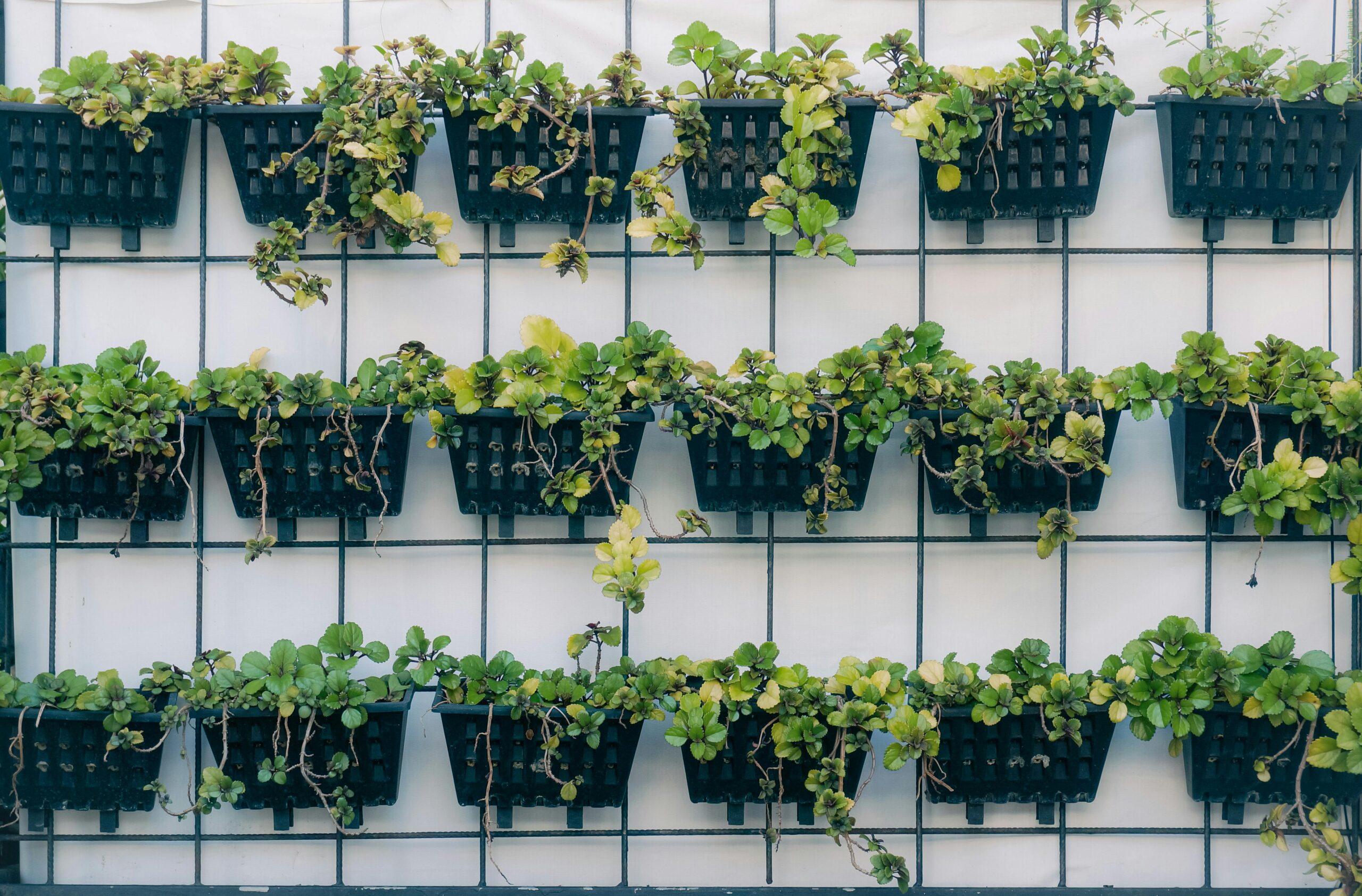
Vertical gardening has become one of the most innovative and practical gardening methods for modern homeowners, apartment residents, and urban gardeners. As living spaces become smaller and people search for creative ways to grow plants at home, vertical gardening offers a smart solution that combines beauty, functionality, and sustainability.
At Fresh Perspective, we believe gardening should be accessible to everyone, regardless of how much outdoor space they have available. Vertical gardening allows people to transform walls, fences, balconies, patios, and even indoor areas into thriving green spaces filled with flowers, vegetables, herbs, and decorative plants.
Whether you are a beginner gardener or an experienced plant enthusiast, vertical gardening can help maximize growing space while creating a stunning visual display.
In this complete guide, you’ll learn everything you need to know about vertical gardening, including its benefits, popular systems, best plants to grow, indoor and outdoor setups, maintenance tips, common mistakes, and answers to frequently asked questions.
What Is Vertical Gardening?
Vertical gardening is the practice of growing plants upward using structures, supports, containers, or wall-mounted systems instead of traditional horizontal ground gardening.
Rather than spreading plants across large garden beds, vertical gardens utilize vertical space to grow:
- Herbs
- Vegetables
- Flowers
- Indoor plants
- Vines
- Decorative greenery
Vertical gardening systems can include:
- Trellises
- Hanging planters
- Wall-mounted pots
- Garden towers
- Shelving units
- Pallet gardens
- Hydroponic systems
This gardening method is especially useful for:
- Small apartments
- Urban homes
- Balconies
- Rooftops
- Tiny backyards
- Indoor gardening spaces
Why Vertical Gardening Is So Popular
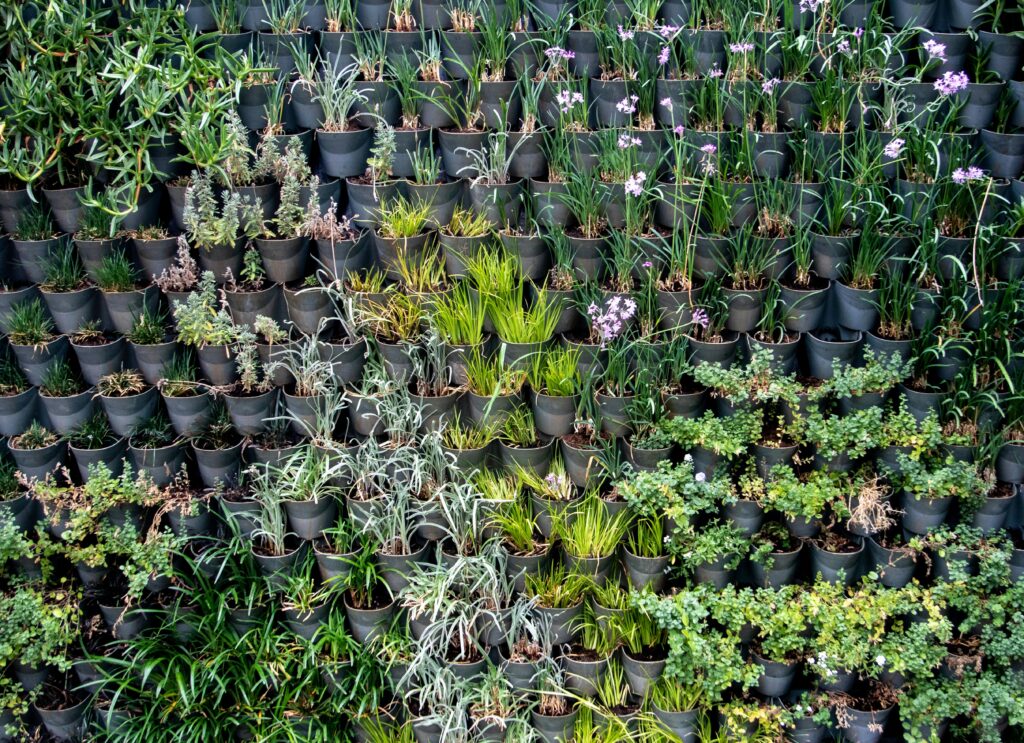
Vertical gardening has exploded in popularity because modern lifestyles often limit access to large outdoor spaces.
Many people now live in:
- Apartments
- Condominiums
- Urban homes
- Small houses
Despite limited space, people still want to:
- Grow fresh food
- Decorate their homes with greenery
- Enjoy gardening as a hobby
- Improve air quality
- Create relaxing environments
Vertical gardening solves these challenges by allowing gardeners to maximize unused vertical areas.
It also adds aesthetic appeal and can turn ordinary walls into vibrant living displays.
Benefits of Vertical Gardening
Saves Space
One of the biggest advantages of vertical gardening is space efficiency.
Instead of using large horizontal beds, vertical systems allow gardeners to grow upward.
This makes vertical gardening ideal for:
- Small patios
- Apartment balconies
- Indoor corners
- Narrow yards
Even tiny spaces can support thriving gardens with the right setup
Improves Air Circulation
Plants grown vertically often receive better airflow.
Improved circulation can help reduce:
- Mold
- Mildew
- Plant diseases
- Pest problems
Healthier airflow often leads to stronger plants.
Easier Plant Maintenance
Vertical gardens reduce the need for bending and kneeling.
This makes gardening more accessible for:
- Seniors
- People with mobility limitations
- Busy homeowners
Harvesting and watering are often easier with elevated systems.
Adds Beauty and Decoration
Vertical gardens can transform dull spaces into beautiful green features.
They work well for:
- Home decor
- Outdoor aesthetics
- Balcony decoration
- Patio enhancement
- Indoor greenery
Living plant walls have become especially popular in modern interior design.
Supports Sustainable Living
Vertical gardening encourages sustainable habits by allowing people to grow:
- Fresh vegetables
- Herbs
- Fruits
- Organic produce
Home gardening can reduce:
- Grocery expenses
- Packaging waste
- Transportation impact
Types of Vertical Gardening Systems
Trellis Gardening
Trellises are one of the oldest and most common vertical gardening methods.
They support climbing plants such as:
- Tomatoes
- Cucumbers
- Beans
- Peas
- Ivy
Trellises can be made from:
- Wood
- Metal
- Bamboo
- Plastic
Hanging Planters
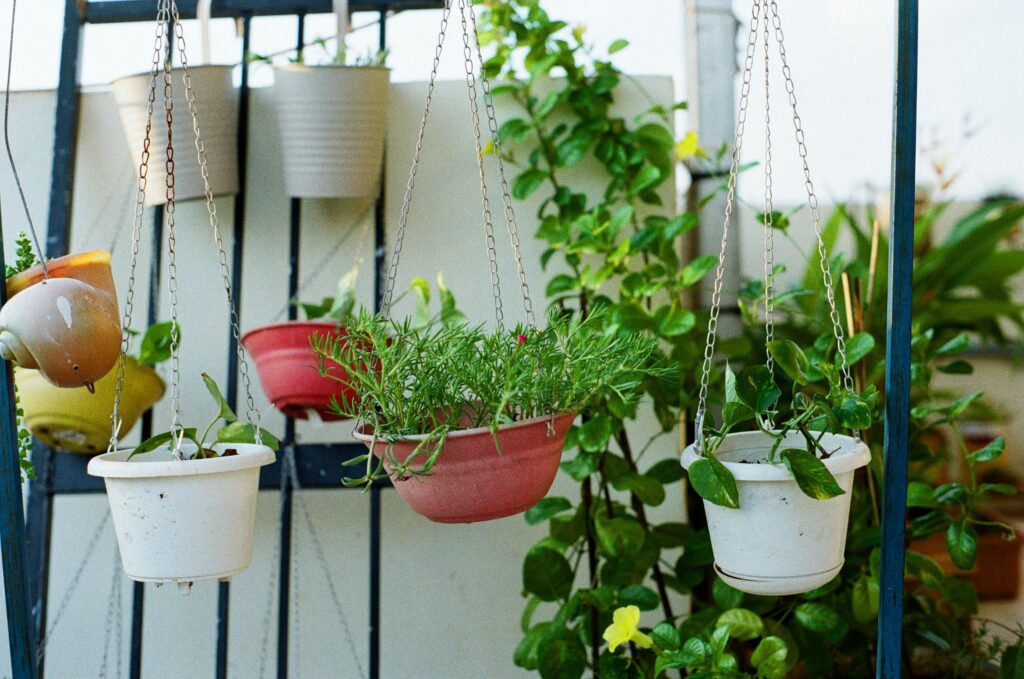
Hanging baskets and suspended planters are ideal for:
- Flowers
- Herbs
- Trailing plants
They work especially well on:
- Balconies
- Porches
- Indoor ceilings
- Patio roofs
Popular hanging plants include:
- Pothos
- Petunias
- Strawberries
- Mint
Wall-Mounted Gardens
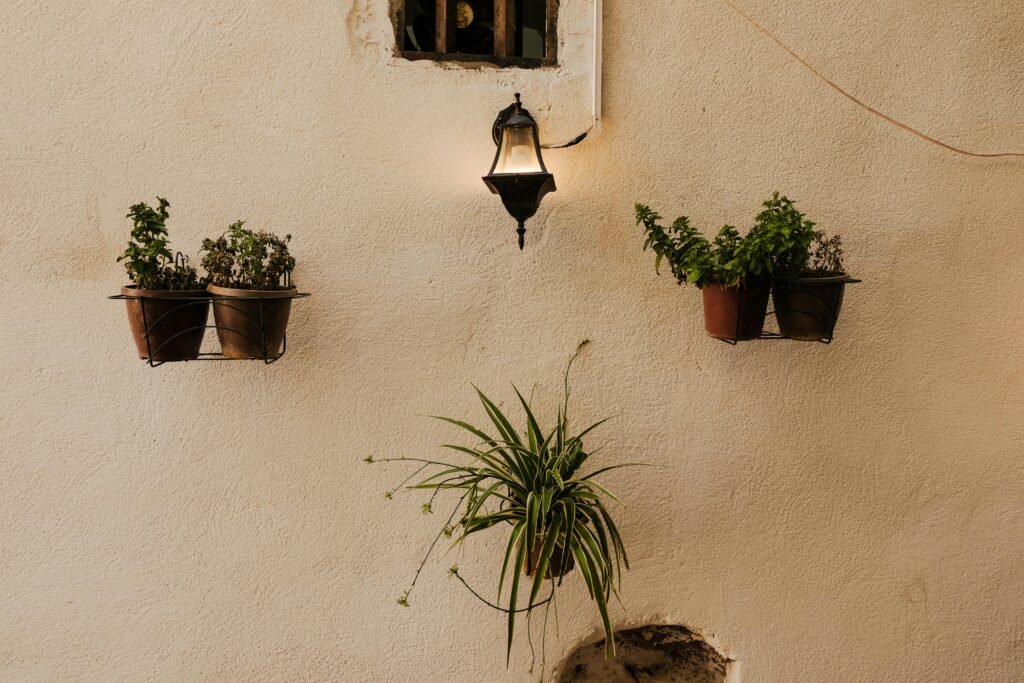
Wall-mounted systems use pockets, shelves, or containers attached directly to walls.
These systems are ideal for:
- Indoor herb gardens
- Decorative green walls
- Compact gardening setups
Wall gardens are often used in:
- Modern apartments
- Restaurants
- Offices
- Cafes
Garden Towers

Garden towers stack planting areas vertically.
These systems are excellent for growing:
- Lettuce
- Spinach
- Strawberries
- Herbs
Tower gardens are highly space-efficient and popular among urban gardeners.
Pallet Gardens
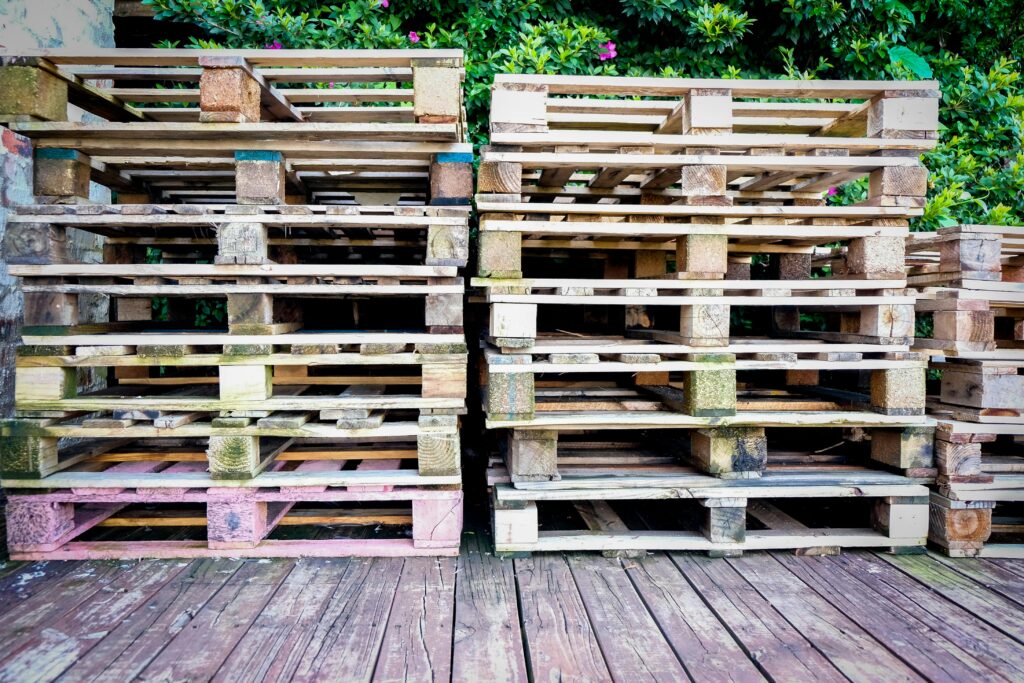
Wooden pallets can be recycled into affordable vertical gardens.
Pallet gardens are commonly used for:
- Herbs
- Succulents
- Small flowers
DIY gardeners often enjoy pallet systems because they are budget-friendly and customizable.
Best Plants for Vertical Gardening
Herbs
Herbs are among the easiest plants for vertical gardens.
Popular choices include:
- Basil
- Mint
- Rosemary
- Thyme
- Parsley
Herbs thrive in containers and require relatively little space.
Leafy Greens
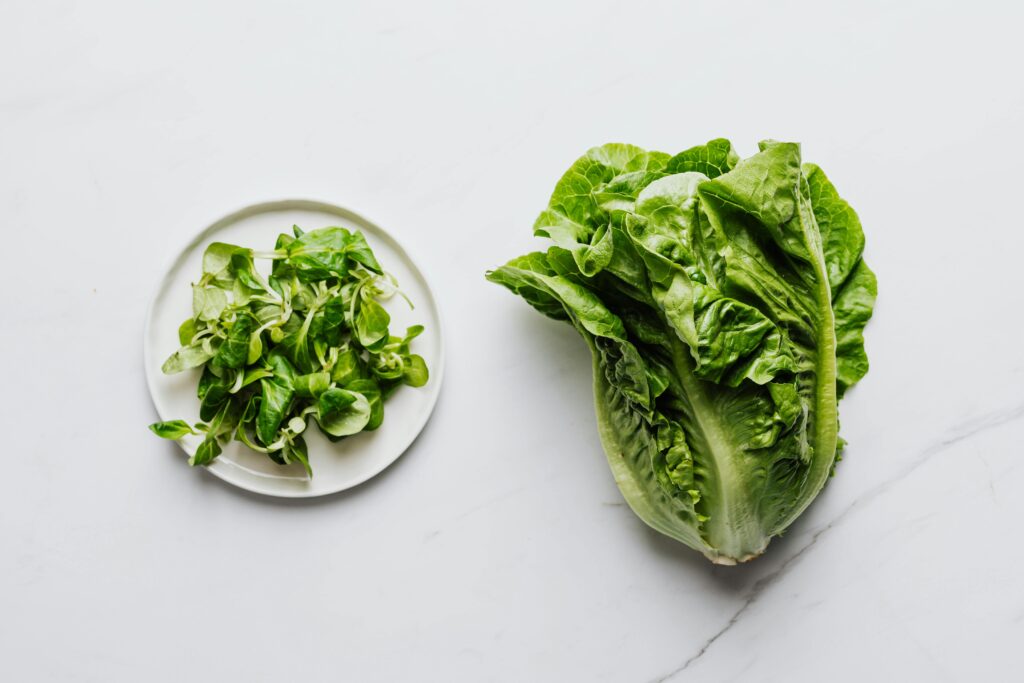
Leafy vegetables grow exceptionally well vertically.
Examples include:
- Lettuce
- Kale
- Spinach
- Arugula
These plants are perfect for:
- Indoor gardens
- Balcony systems
- Tower gardens
Tomatoes
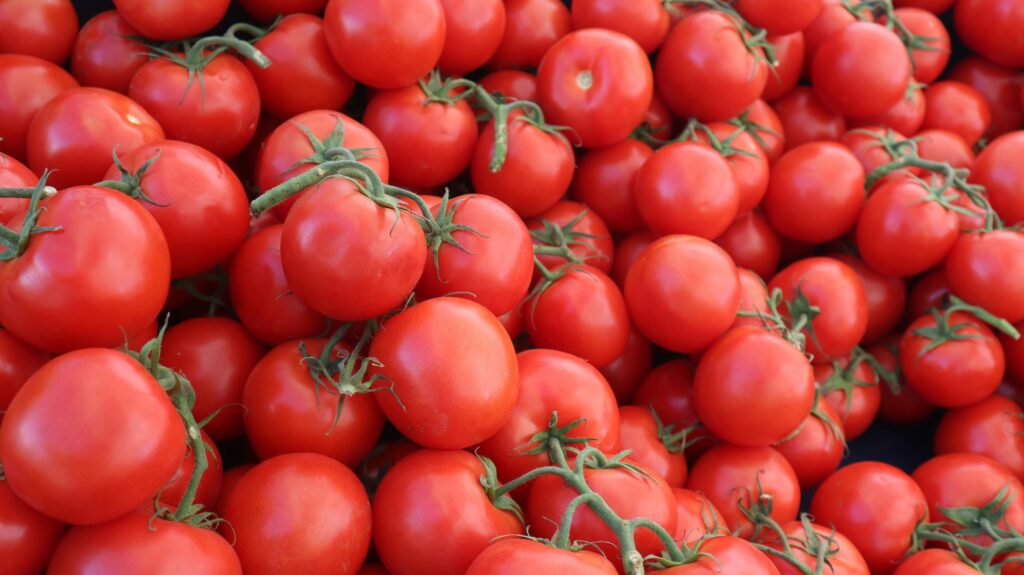
Tomatoes are one of the most popular vertical gardening crops.
Using cages or trellises helps:
- Save space
- Improve airflow
- Reduce disease risk
- Simplify harvesting
Cucumbers
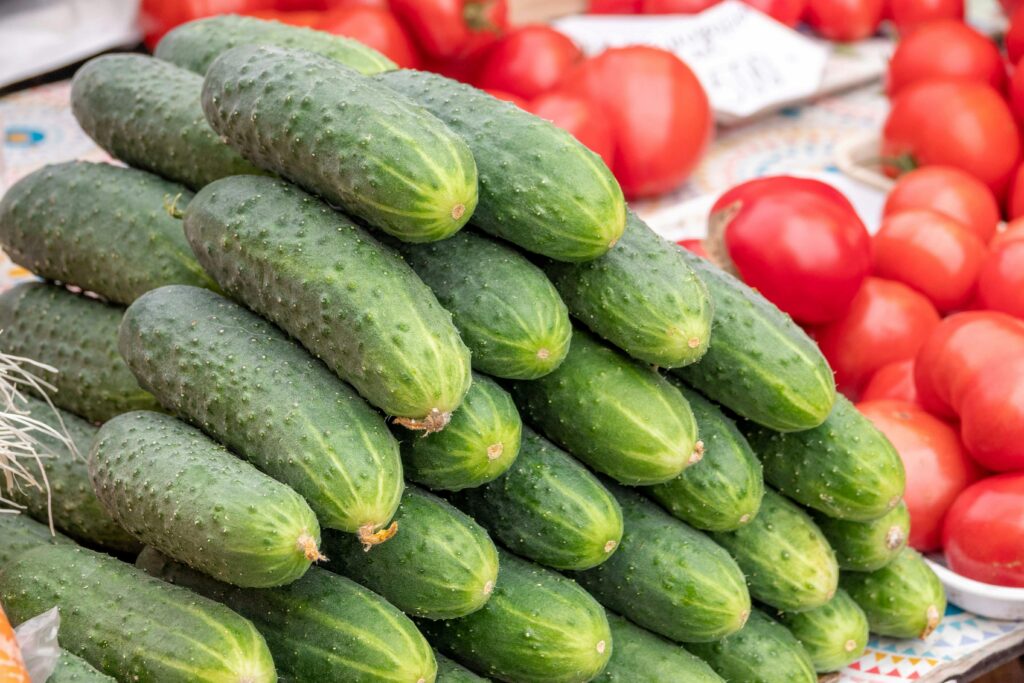
Cucumbers naturally climb and perform well on vertical supports.
Vertical growth also helps produce straighter cucumbers.
Strawberries

Strawberries are excellent for hanging baskets and tower systems.
Vertical growing reduces:
- Fruit rot
- Soil contamination
- Pest exposure
Indoor Vertical Gardening
Indoor vertical gardening is becoming increasingly popular in urban homes.
Benefits include:
- Better air quality
- Natural decoration
- Fresh herbs year-round
- Relaxing indoor environments
Best Indoor Plants for Vertical Gardens
Popular indoor vertical plants include:
- Pothos
- Spider plants
- Ferns
- Philodendrons
- Herbs
These plants adapt well to indoor conditions.
Lighting for Indoor Vertical Gardens
Indoor plants require adequate light.
Options include:
- Natural sunlight
- LED grow lights
- Full-spectrum lighting systems
South-facing windows usually provide the best natural light.
Outdoor Vertical Gardening
Outdoor vertical gardens can completely transform patios and fences.
Outdoor systems work well for:
- Vegetables
- Flowering plants
- Climbing vines
- Decorative greenery
Popular outdoor vertical features include:
- Living walls
- Fence planters
- Balcony trellises
- Raised wall beds
Watering Vertical Gardens Properly
Watering is one of the most important aspects of successful vertical gardening.
Because vertical systems dry out faster than ground gardens, consistent watering is essential.
Watering Tips
- Water deeply but carefully
- Check moisture regularly
- Use drip irrigation if possible
- Avoid overwatering
Some vertical gardens benefit from automatic watering systems.
Soil and Fertilizer Tips
Healthy soil supports healthy plants.
Use:
- High-quality potting mix
- Compost
- Organic fertilizer
- Well-draining soil blends
Avoid compact soil that traps too much water.
Common Vertical Gardening Mistakes
Overcrowding Plants
Too many plants in small spaces can cause:
- Poor airflow
- Nutrient competition
- Increased disease risk
Always leave enough space between plants.
Ignoring Weight Limits
Wall-mounted systems can become heavy when watered.
Ensure structures are strong enough to support:
- Soil
- Containers
- Mature plants
- Water weight
Poor Drainage
Vertical containers need proper drainage holes.
Without drainage, roots may rot.
Inadequate Sunlight
Many edible plants require:
- 6 to 8 hours of sunlight daily
Observe sunlight exposure before choosing plant locations.
Vertical Gardening for Apartments
Apartment residents can still enjoy productive gardens.
Popular apartment gardening ideas include:
- Balcony rail planters
- Hanging baskets
- Window herb gardens
- Wall-mounted shelves
- Indoor grow walls
Vertical systems maximize limited living space.
DIY Vertical Gardening Ideas
Creative DIY vertical gardening projects include:
- Wooden pallet gardens
- PVC pipe gardens
- Shoe organizer planters
- Ladder plant shelves
- Recycled bottle gardens
DIY projects are excellent for budget-conscious gardeners.
Eco-Friendly Benefits of Vertical Gardening
Vertical gardens contribute to environmental sustainability.
Benefits include:
- Improved air quality
- Reduced urban heat
- Better insulation
- Pollinator support
- Reduced food transportation
Urban vertical gardens can also help beautify city environments.
Frequently Asked Questions About Vertical Gardening
What Is Vertical Gardening?
Vertical gardening is growing plants upward using structures or wall systems instead of traditional ground planting.
What Plants Grow Best Vertically?
Popular vertical plants include:
- Herbs
- Tomatoes
- Cucumbers
- Strawberries
- Lettuce
- Climbing flowers
Can Vertical Gardens Be Indoors?
Yes. Many indoor vertical gardens use herbs, decorative plants, and grow lights.
Do Vertical Gardens Need More Water?
Often yes, because vertical containers can dry out faster than ground soil.
Are Vertical Gardens Good for Small Spaces?
Absolutely. Vertical gardening is ideal for balconies, apartments, patios, and urban homes.
Vertical Gardening Trends in Modern Homes
Modern homeowners increasingly use vertical gardens for:
- Indoor decor
- Smart gardening systems
- Sustainable living
- Homegrown vegetables
- Eco-friendly design
Living walls and compact edible gardens are especially popular in contemporary architecture.
Final Thoughts on Vertical Gardening
Vertical gardening is one of the smartest and most creative ways to grow plants in modern living spaces. Whether you want fresh herbs in your kitchen, vegetables on your balcony, or decorative greenery indoors, vertical gardening makes it possible to maximize limited space while creating beautiful and productive environments.
At Fresh Perspective, we encourage gardeners of all experience levels to explore vertical gardening as a practical, eco-friendly, and rewarding hobby.
The best part about vertical gardening is its flexibility. You can start small with a few hanging herbs or build an entire living wall filled with flowers and edible plants.
With proper planning, healthy soil, adequate sunlight, and regular care, vertical gardens can thrive in almost any environment.
As urban living continues to grow and people search for sustainable lifestyles, vertical gardening will remain one of the most innovative gardening solutions for homes around the world.
Whether you’re a beginner or an experienced gardener, vertical gardening offers endless opportunities to grow more while using less space.