
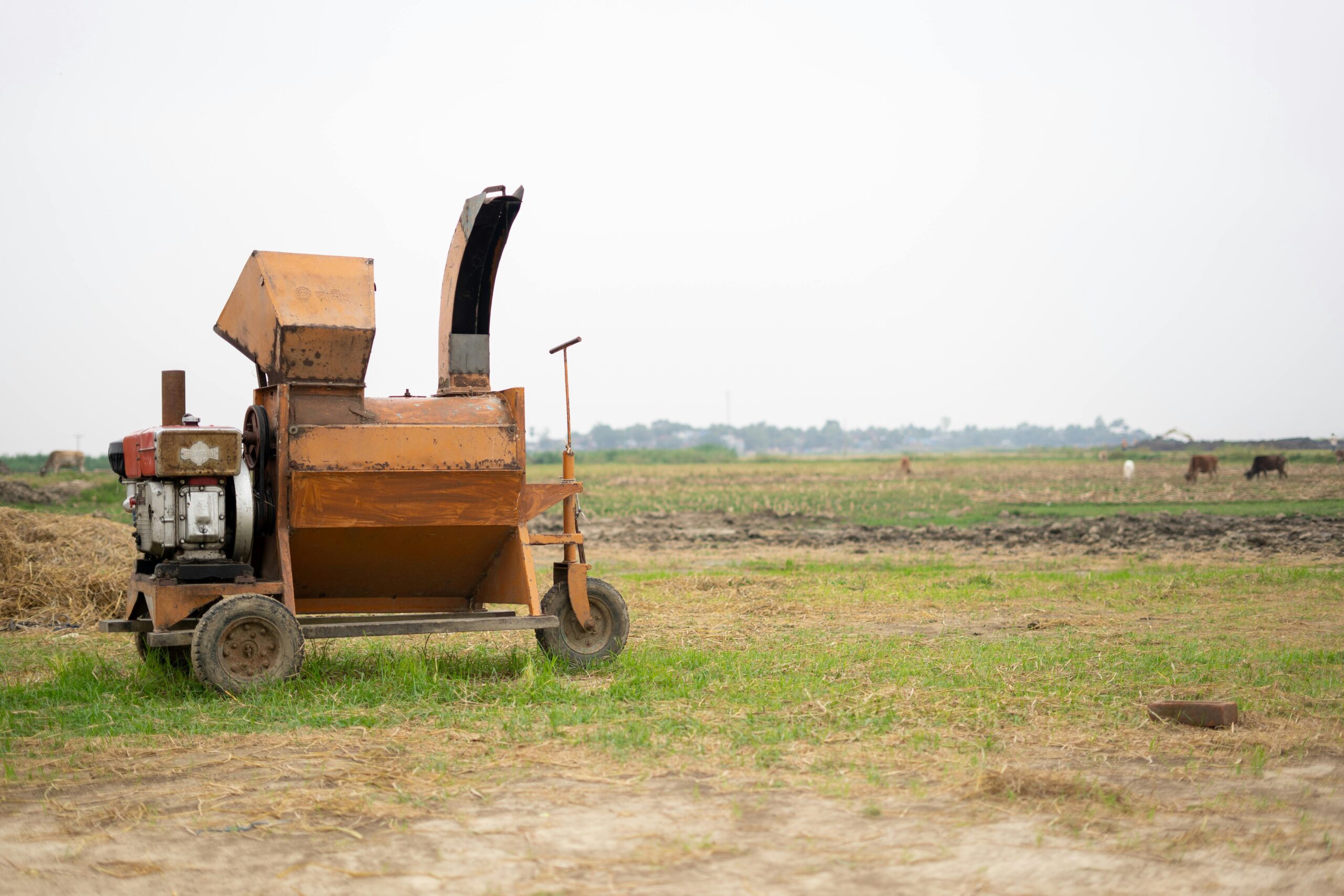
As sustainable living becomes increasingly important around the world, homeowners are searching for smarter and more efficient ways to reduce household waste. One innovation gaining major attention is smart composting machines — modern devices designed to transform food scraps and organic waste into useful compost quickly and conveniently.
At Fresh Perspective, we believe technology and sustainability can work together to create healthier homes and a cleaner planet. Smart composting machines combine automation, eco-friendly practices, and convenience to help individuals manage food waste without the mess and complexity of traditional composting systems.
Whether you live in a large home, a small apartment, or an urban condo, smart composting machines make composting accessible for modern lifestyles. These devices simplify organic waste recycling while supporting environmentally responsible habits.
In this complete guide, you’ll learn everything you need to know about smart composting machines, including how they work, their benefits, different types, features to consider, maintenance tips, environmental impact, and answers to frequently asked questions.
What Are Smart Composting Machines?
Smart composting machines are automated devices designed to break down food scraps and organic waste into compost-like material using advanced technology.
Unlike traditional compost piles that may take months to decompose naturally, smart composting machines accelerate the process through:
- Heat
- Grinding
- Aeration
- Dehydration
- Microbial activity
- Automated mixing
These machines are especially useful for people who want convenient and odor-controlled composting systems for indoor or outdoor use.
Smart composters can process:
- Fruit scraps
- Vegetable peels
- Coffee grounds
- Eggshells
- Leftover food
- Plant materials
Many systems are compact enough for kitchens, apartments, and small homes.
Why Smart Composting Machines Are Becoming Popular
The growing popularity of smart composting machines is driven by several modern lifestyle trends, including:
- Sustainable living
- Waste reduction
- Eco-friendly homes
- Smart home technology
- Urban living
- Organic gardening
Many households produce large amounts of food waste every week. Traditional composting can be difficult for people living in apartments or homes without outdoor space.
Smart composting machines solve many of these problems by offering:
- Faster processing
- Minimal odor
- Indoor-friendly systems
- Easy operation
- Automated functions
These features make composting more practical for busy modern households.
How Smart Composting Machines Work
Smart composting machines use technology to speed up the decomposition process.
While systems vary, most machines include several key functions:
Grinding
Food scraps are broken into smaller pieces to increase decomposition speed.
Heating
Heat helps dry organic materials and accelerate breakdown.
Aeration
Air circulation supports microbial activity and reduces odors.
Mixing
Automated mixing ensures even processing of materials.
Moisture Control
Many machines regulate moisture levels automatically.
Some advanced systems also use sensors and smart monitoring technology to optimize composting conditions.
Benefits of Smart Composting Machines
Faster Composting Process
Traditional composting may take several months.
Smart composting machines can process food waste in:
- A few hours
- Several days
- One to two weeks
depending on the machine and composting method.
This speed makes composting more convenient for modern households.
Reduced Food Waste
Food waste is a major environmental problem worldwide.
Smart composting machines help reduce:
- Household garbage
- Landfill waste
- Methane emissions
By recycling food scraps at home, users contribute to more sustainable waste management.
Convenient Indoor Composting
One of the biggest advantages of smart composters is indoor usability.
Many machines are:
- Compact
- Odor-controlled
- Easy to clean
- Apartment-friendly
This allows people without outdoor gardens to compost successfully.
Odor Control
Traditional compost piles can sometimes produce unpleasant smells.
Most smart composting machines include:
- Air filtration systems
- Carbon filters
- Sealed containers
- Automated airflow
These features help minimize odors significantly.
Supports Gardening and Soil Health
The compost material produced by these machines can help enrich soil naturally.
Compost improves:
- Soil structure
- Moisture retention
- Nutrient availability
- Plant health
Gardeners often use compost for:
- Flower beds
- Vegetable gardens
- Indoor plants
- Lawn care
Types of Smart Composting Machines
Electric Kitchen Composters
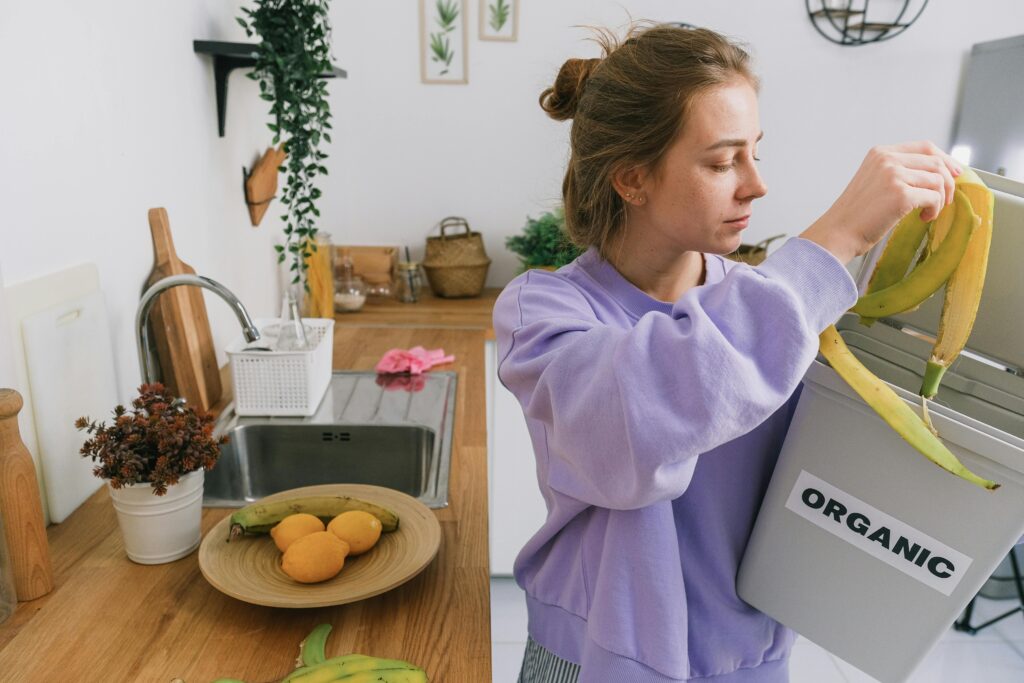
Electric countertop composters are among the most popular smart composting systems.
Features often include:
- Compact design
- Automated drying
- Grinding functions
- Odor control
- Fast processing
These units are ideal for:
- Apartments
- Small kitchens
- Urban homes
Outdoor Smart Composters

Larger outdoor composting systems may include:
- Solar-powered features
- Temperature monitoring
- Automated aeration
- Smart sensors
These systems are suitable for:
- Large households
- Backyard gardens
- Eco-friendly homes
Microbial Composting Machines

Some smart composters use microorganisms to naturally break down waste more efficiently.
These systems may require:
- Compost starter microbes
- Controlled moisture levels
- Regular maintenance
Microbial systems often create richer compost material.
Commercial Composting Machines
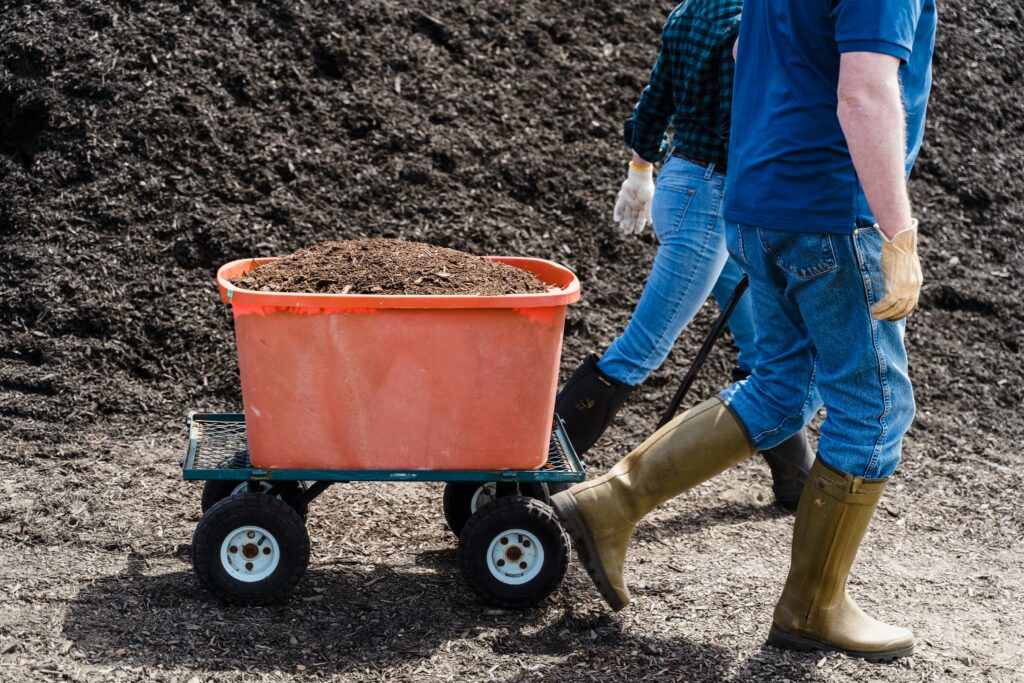
Businesses and restaurants increasingly use industrial smart composters to manage food waste sustainably.
Commercial systems process larger waste volumes and support:
- Restaurants
- Hotels
- Cafeterias
- Offices
Best Features to Look for in Smart Composting Machines
Odor Filtration
Quality filtration systems improve indoor comfort.
Carbon filters are especially useful for reducing smells.
Noise Levels
Quiet machines work better for indoor environments.
Check noise ratings before purchasing.
Processing Speed
Some systems process waste faster than others.
Choose a machine based on household needs and waste volume.
Capacity
Machine size should match your household food waste output.
Small households may prefer compact units, while larger families may need higher-capacity systems.
Energy Efficiency
Energy-efficient composters help reduce electricity usage and operating costs.
Easy Cleaning
Removable trays and washable parts simplify maintenance.
Smart Monitoring Features
Advanced systems may include:
- Mobile app connectivity
- Sensor monitoring
- Automated alerts
- Temperature tracking
These features improve convenience and performance.
Smart Composting Machines for Apartments
Apartment residents often face challenges with traditional composting because of limited outdoor space.
Smart composting machines solve these issues by offering:
- Compact designs
- Indoor compatibility
- Odor control
- Minimal mess
Countertop composters are especially popular among urban households.
Environmental Benefits of Smart Composting Machines
Reduces Landfill Waste
Food scraps make up a large portion of household garbage.
Composting helps divert organic waste away from landfills.
Lowers Greenhouse Gas Emissions
Organic waste in landfills produces methane gas.
Composting reduces methane generation and supports climate-friendly practices.
Encourages Sustainable Living
Smart composting machines help households adopt more environmentally responsible habits.
These systems support:
- Recycling
- Organic gardening
- Waste reduction
- Eco-conscious living
Supports Soil Health Naturally
Compost improves soil without relying heavily on chemical fertilizers.
Healthy soil supports:
- Stronger plants
- Better water retention
- Improved biodiversity
Common Smart Composting Machine Challenges
Initial Cost
Smart composters can be more expensive than traditional compost bins.
However, many users value the convenience and long-term environmental benefits.
Electricity Usage
Electric composters require power to operate.
Energy-efficient models help minimize electricity consumption.
Limited Compost Volume
Some compact machines primarily dry food waste rather than producing fully finished compost.
Additional curing may sometimes be required before garden use.
Maintenance Requirements
Filters, trays, and components require occasional cleaning and replacement.
Regular maintenance improves machine performance and lifespan.
Tips for Using Smart Composting Machines Effectively
Avoid Overloading
Adding too much waste at once may reduce efficiency.
Follow Manufacturer Guidelines
Different machines accept different materials.
Always check approved compostable items.
Clean Regularly
Routine cleaning prevents odors and buildup.
Use Compost Properly
Finished compost can enrich:
- Garden beds
- Indoor plants
- Landscaping soil
- Vegetable gardens
Smart Composting Machines and Smart Homes
As smart homes continue evolving, composting technology is becoming part of connected eco-friendly living systems.
Some advanced composters integrate with:
- Smart home apps
- Energy monitoring systems
- Automated kitchen routines
These innovations combine convenience with sustainability.
Smart Composting for Families
Families often generate significant food waste.
Smart composting machines help teach children about:
- Recycling
- Sustainability
- Environmental responsibility
- Organic gardening
Home composting can become both practical and educational.
Smart Composting Machines for Sustainable Gardening
Gardeners benefit greatly from compost produced at home.
Organic compost supports:
- Healthier vegetables
- Improved flowers
- Better moisture retention
- Reduced fertilizer dependency
Many gardeners use compost as part of eco-friendly growing methods.
Frequently Asked Questions About Smart Composting Machines
What Is a Smart Composting Machine?
A smart composting machine is an automated device that processes food waste into compost-like material using heat, grinding, aeration, and moisture control.
Can Smart Composters Be Used Indoors?
Yes. Many smart composters are specifically designed for indoor use.
Do Smart Composting Machines Smell?
Most machines include odor-control systems and carbon filters to minimize smells.
What Can You Put in a Smart Composter?
Most systems accept:
- Fruit scraps
- Vegetables
- Coffee grounds
- Eggshells
- Plant materials
Always follow manufacturer guidelines.
Are Smart Composting Machines Worth It?
For many households, smart composters provide convenient waste reduction and support sustainable living.
The Future of Smart Composting Machines
As environmental awareness continues growing, smart composting technology is expected to evolve further.
Future trends may include:
- AI-powered compost monitoring
- Improved energy efficiency
- Faster decomposition systems
- Larger smart home integration
- Enhanced odor filtration
Smart composting may become a standard feature in future sustainable homes.
Final Thoughts on Smart Composting Machines
Smart composting machines represent one of the most exciting innovations in modern sustainable living. By combining automation, convenience, and environmental responsibility, these devices make composting accessible for households of all sizes — even those with limited space.
At Fresh Perspective, we believe sustainable living begins with practical everyday habits, and smart composting is an excellent example of how technology can support eco-friendly lifestyles.
The best part about smart composting machines is their simplicity. Instead of managing large outdoor compost piles, users can reduce food waste quickly and efficiently using compact automated systems designed for modern living.
Whether you’re an urban apartment resident, a gardening enthusiast, or a family looking to reduce waste, smart composting machines offer a cleaner, smarter, and more convenient approach to sustainable waste management.
As smart home technology and environmental awareness continue growing together, smart composting machines are likely to play an increasingly important role in creating greener and more sustainable homes for the future.
 Jessica Levi