
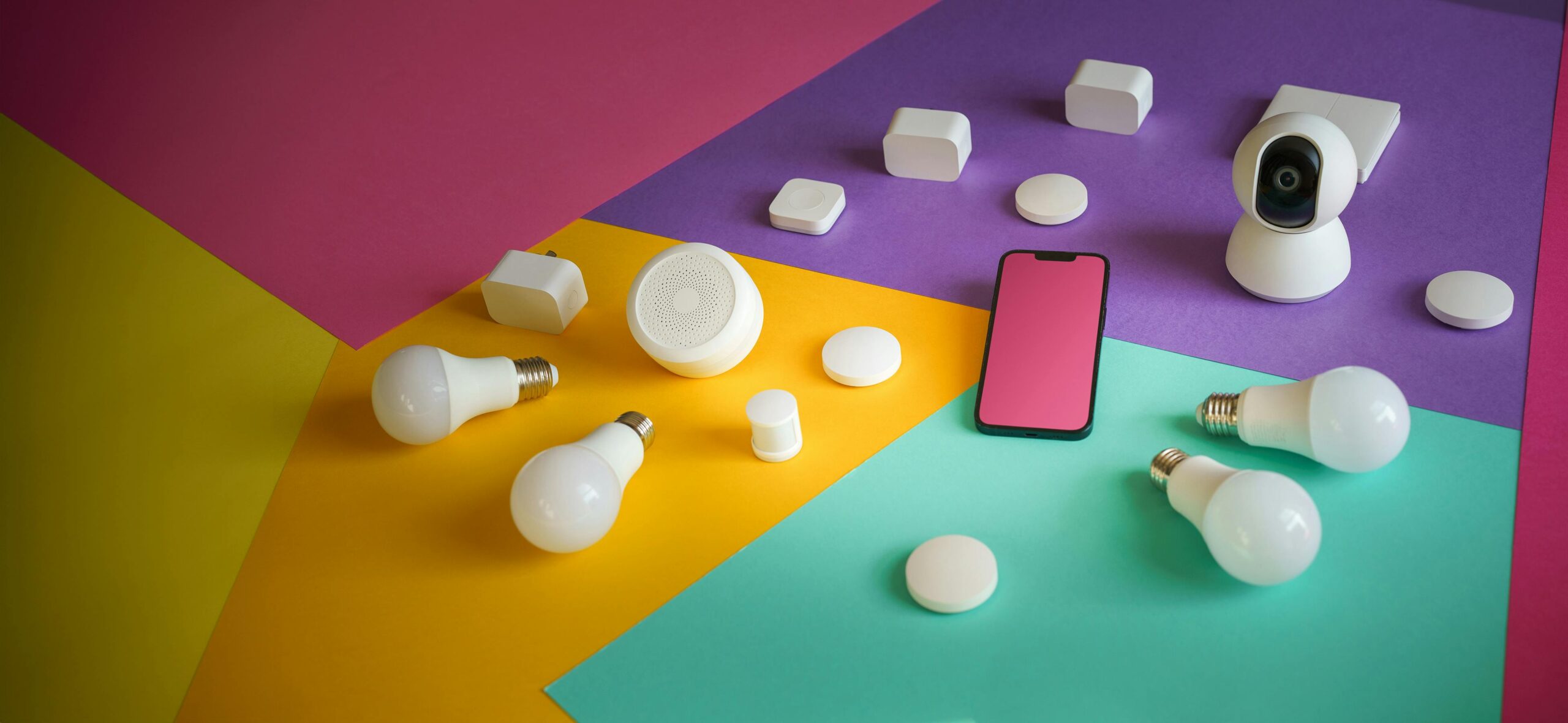
Smart home living has rapidly transformed from a futuristic concept into a practical everyday reality for millions of households around the world. Modern technology now allows homeowners to automate lighting, security, entertainment, appliances, climate control, and even household routines using smart devices connected through the internet.
At Fresh Perspective, we believe smart home living is about more than convenience — it’s about creating safer, more efficient, comfortable, and connected living environments that improve everyday life.
Whether you’re new to home automation or looking to upgrade your current setup, smart home technology offers countless ways to simplify daily routines, save energy, increase home security, and enhance overall quality of life.
In this complete guide, you’ll learn everything you need to know about smart home living, including popular smart devices, automation systems, benefits, security considerations, energy-saving solutions, future trends, and answers to frequently asked questions.
What Is Smart Home Living?
Smart home living refers to the use of internet-connected devices and automation systems that allow homeowners to remotely monitor, control, and automate various household functions.
Smart homes typically use:
- Wi-Fi connectivity
- Mobile apps
- Voice assistants
- Sensors
- Artificial intelligence
- Automation platforms
These technologies work together to improve convenience, efficiency, comfort, and home management.
Smart home systems can control:
- Lighting
- Thermostats
- Security cameras
- Smart locks
- Appliances
- Entertainment systems
- Irrigation systems
- Cleaning devices
Many systems can be controlled using smartphones, tablets, or voice commands.
Why Smart Home Living Is Becoming So Popular
Smart home technology has become increasingly popular because people are seeking:
- Greater convenience
- Improved security
- Energy savings
- Remote access
- Better home management
- Personalized living experiences
As internet-connected devices become more affordable and user-friendly, smart home adoption continues to grow globally.
Many homeowners appreciate the ability to automate repetitive tasks and monitor their homes from anywhere.
Benefits of Smart Home Living
Increased Convenience
One of the biggest advantages of smart home living is convenience.
Smart systems allow homeowners to:
- Turn lights on remotely
- Adjust thermostats automatically
- Lock doors from a smartphone
- Schedule appliances
- Control devices using voice commands
Automation reduces the need for manual adjustments throughout the day.
Enhanced Home Security
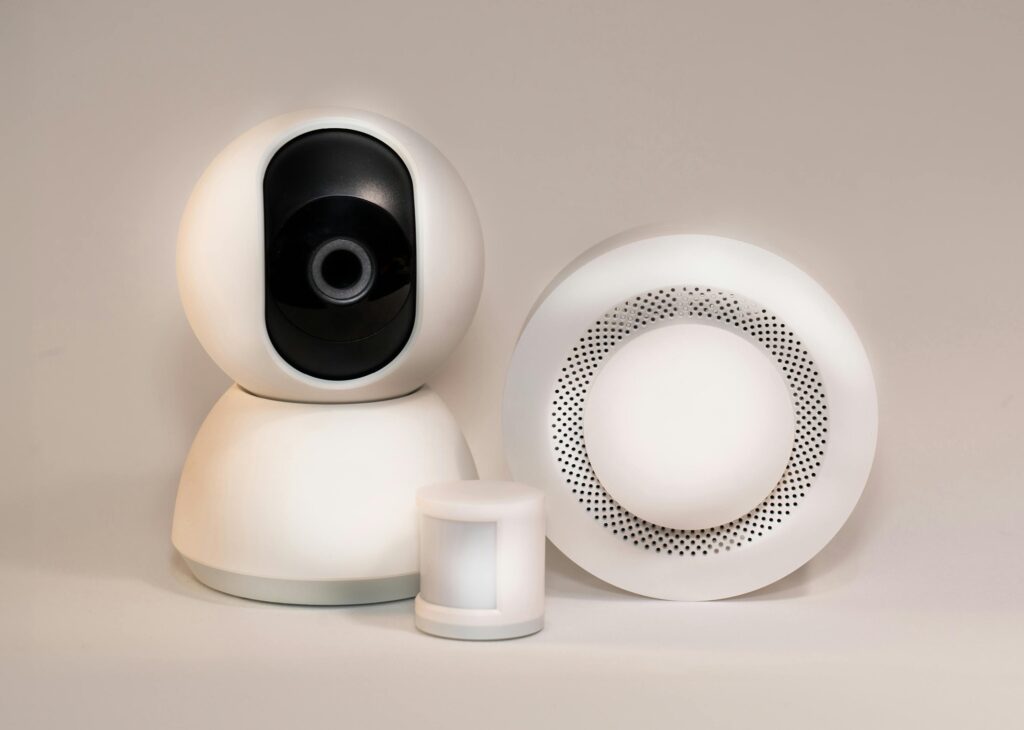
Smart home security systems help homeowners monitor and protect their property more effectively.
Popular security features include:
- Smart doorbells
- Motion sensors
- Security cameras
- Smart locks
- Real-time notifications
Homeowners can receive alerts and monitor activity even while away from home.
Energy Efficiency
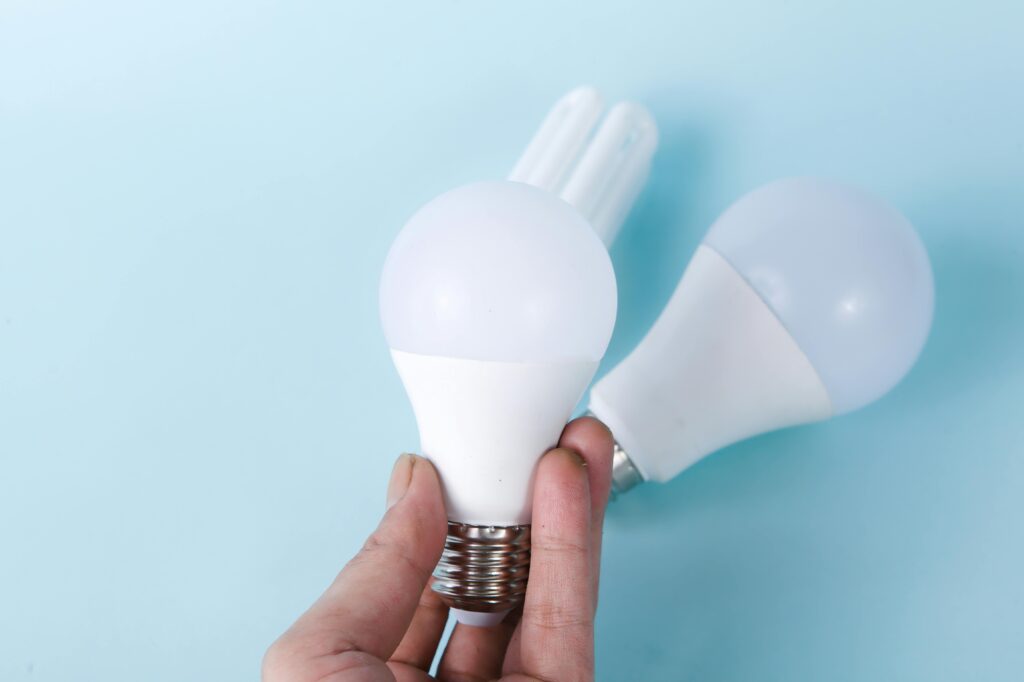
Smart home technology can help reduce energy consumption.
Devices such as smart thermostats and lighting systems optimize energy use by adjusting automatically.
Examples include:
- Turning off lights when rooms are empty
- Lowering heating during nighttime
- Managing appliance schedules
These features can help lower utility bills over time.
Improved Comfort
Smart home systems create more personalized living environments.
Homeowners can customize:
- Lighting brightness
- Room temperature
- Entertainment settings
- Morning routines
Some systems learn user preferences over time for even greater automation.
Remote Access and Monitoring

One of the most appealing features of smart home living is remote access.
Using mobile apps, homeowners can:
- Monitor cameras
- Lock doors
- Check appliances
- Adjust settings remotely
This provides peace of mind and flexibility.
Popular Smart Home Devices

Smart Speakers and Voice Assistants
Voice assistants are central to many smart homes.
Popular platforms include:
- Amazon Alexa
- Google Assistant
- Apple HomeKit
Voice assistants can control multiple connected devices using simple voice commands.
Common uses include:
- Playing music
- Setting reminders
- Controlling lights
- Adjusting thermostats
Smart Lighting Systems
Smart lighting allows homeowners to automate and customize home lighting.
Features may include:
- Remote control
- Dimming options
- Color customization
- Scheduling
- Motion activation
Smart bulbs and switches can improve both convenience and energy savings.
Smart Thermostats
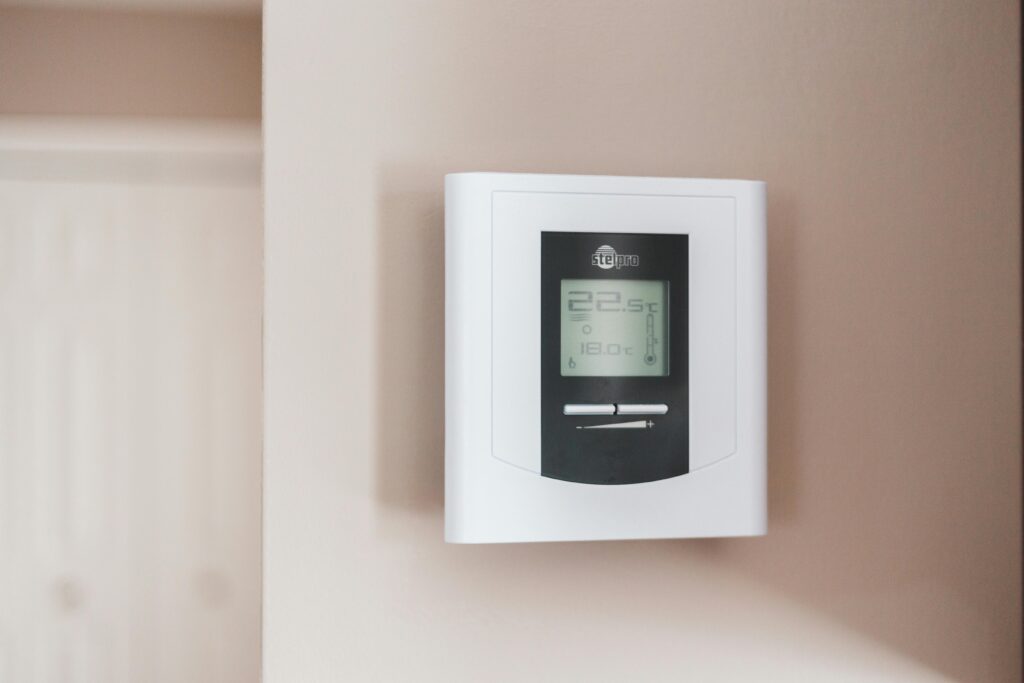
Smart thermostats automatically manage heating and cooling systems.
Benefits include:
- Energy efficiency
- Temperature scheduling
- Remote adjustment
- Learning user preferences
Many homeowners use smart thermostats to reduce utility costs while maintaining comfort.
Smart Security Cameras
Smart cameras provide real-time home monitoring.
Features often include:
- Motion detection
- Night vision
- Cloud storage
- Mobile notifications
- Two-way audio
These systems help homeowners monitor entrances, driveways, and indoor spaces.
Smart Locks
Smart locks improve home access control.
Features may include:
- Keyless entry
- Mobile unlocking
- Temporary guest codes
- Activity logs
Smart locks eliminate the need for traditional physical keys.
Smart Appliances
Modern smart appliances include:
- Refrigerators
- Washing machines
- Ovens
- Dishwashers
- Coffee makers
These appliances often provide:
- Remote monitoring
- Scheduling
- Maintenance alerts
- Energy tracking
Robot Vacuums
Robot vacuums automate floor cleaning.
Popular features include:
- Scheduled cleaning
- Mapping technology
- App control
- Automatic charging
These devices are especially useful for busy households.
Smart Home Automation Explained
Automation is one of the core features of smart home living.
Automation allows devices to work together automatically based on:
- Time schedules
- Motion detection
- User routines
- Sensor activity
- Voice commands
Examples include:
- Lights turning on at sunset
- Thermostats adjusting when homeowners leave
- Doors locking automatically at night
Automation improves efficiency and simplifies daily routines.
Smart Home Ecosystems
Many smart homes operate within ecosystems that connect devices together.
Popular ecosystems include:
- Amazon Alexa
- Google Home
- Apple HomeKit
- Samsung SmartThings
Choosing compatible devices helps create smoother integration and automation.
Smart Home Living for Energy Savings
Energy efficiency is a major reason many people adopt smart home technology.
Smart Lighting
Lights can automatically turn off when rooms are empty.
Smart Thermostats
Heating and cooling systems adjust based on occupancy and schedules.
Smart Plugs
Smart plugs allow users to monitor and control electricity usage.
Energy Monitoring Systems
Some systems track household energy consumption in real time.
These tools help homeowners identify areas for energy savings.
Smart Home Security Tips
As smart homes become more connected, cybersecurity becomes increasingly important.
Use Strong Passwords
Avoid weak or reused passwords.
Enable Two-Factor Authentication
Additional verification improves account security.
Keep Devices Updated
Regular firmware updates help protect against security vulnerabilities.
Secure Your Wi-Fi Network
Strong Wi-Fi encryption protects connected devices.
Smart Home Living for Families
Families often benefit from smart home systems because they improve:
- Household organization
- Safety
- Convenience
- Routine management
Examples include:
- Smart doorbell monitoring
- Automated bedtime routines
- Smart baby monitors
- Shared family calendars
Smart homes can simplify busy family lifestyles.
Smart Home Living for Seniors
Smart home technology can also support aging-in-place solutions.
Useful features include:
- Voice-controlled devices
- Emergency alerts
- Smart medication reminders
- Motion sensors
- Remote caregiver monitoring
These systems may improve independence and safety for older adults.
Common Smart Home Challenges
Device Compatibility
Not all smart devices work together seamlessly.
Research compatibility before purchasing products.
Internet Dependence
Most smart homes rely heavily on stable internet connections.
Connectivity issues may disrupt automation.
Privacy Concerns
Connected devices collect data to function effectively.
Homeowners should review:
- Privacy settings
- Data-sharing policies
- Security protections
Initial Setup Costs
Building a complete smart home can require significant upfront investment.
However, many homeowners begin with small upgrades and expand gradually.
Future Trends in Smart Home Living
Smart home technology continues evolving rapidly.
Future trends may include:
- Artificial intelligence integration
- Improved automation
- Smart energy grids
- Advanced voice control
- Health-monitoring smart homes
- Greater device interoperability
AI-powered homes may become even more personalized and predictive over time.
Smart Home Living for Apartments
Apartment residents can still enjoy smart home benefits.
Popular apartment-friendly devices include:
- Smart bulbs
- Smart speakers
- Robot vacuums
- Smart plugs
- Indoor cameras
Many systems require minimal installation.
Tips for Building Your First Smart Home
Start Small
Begin with simple devices such as:
- Smart bulbs
- Smart plugs
- Voice assistants
Choose One Ecosystem
Staying within one platform improves compatibility.
Prioritize Security
Always secure accounts and networks.
Focus on Daily Convenience
Choose devices that solve real everyday problems.
Frequently Asked Questions About Smart Home Living
What Is a Smart Home?
A smart home uses internet-connected devices to automate and remotely control household systems.
Are Smart Homes Expensive?
Costs vary depending on device selection. Many homeowners start with affordable basic devices.
Do Smart Homes Save Energy?
Yes. Smart thermostats, lighting, and automation systems can improve energy efficiency.
Can Smart Homes Work Without Internet?
Some devices offer limited offline functionality, but many features rely on internet connectivity.
Are Smart Homes Secure?
Smart homes can be secure when users follow proper cybersecurity practices.
Why Smart Home Living Represents the Future
Smart home living continues growing because it combines:
- Convenience
- Automation
- Efficiency
- Comfort
- Security
- Connectivity
As technology becomes more advanced and affordable, smart homes are likely to become standard features in modern living.
Consumers increasingly expect homes to support connected lifestyles and digital convenience.
Final Thoughts on Smart Home Living
Smart home living is transforming how people interact with their homes by creating more connected, efficient, and convenient living environments. Whether you want improved security, energy savings, automated routines, or enhanced comfort, smart home technology offers solutions for nearly every lifestyle.
At Fresh Perspective, we believe smart home living is about simplifying everyday life while creating safer and more sustainable homes for the future.
The best part about smart home technology is its flexibility. You can start with a single smart speaker or gradually build a fully connected home automation system tailored to your needs.
With proper planning, secure device management, and thoughtful automation, smart homes can improve comfort, efficiency, and peace of mind for homeowners of all experience levels.
As technology continues evolving, smart home living will remain one of the most exciting innovations shaping modern lifestyles around the world.