
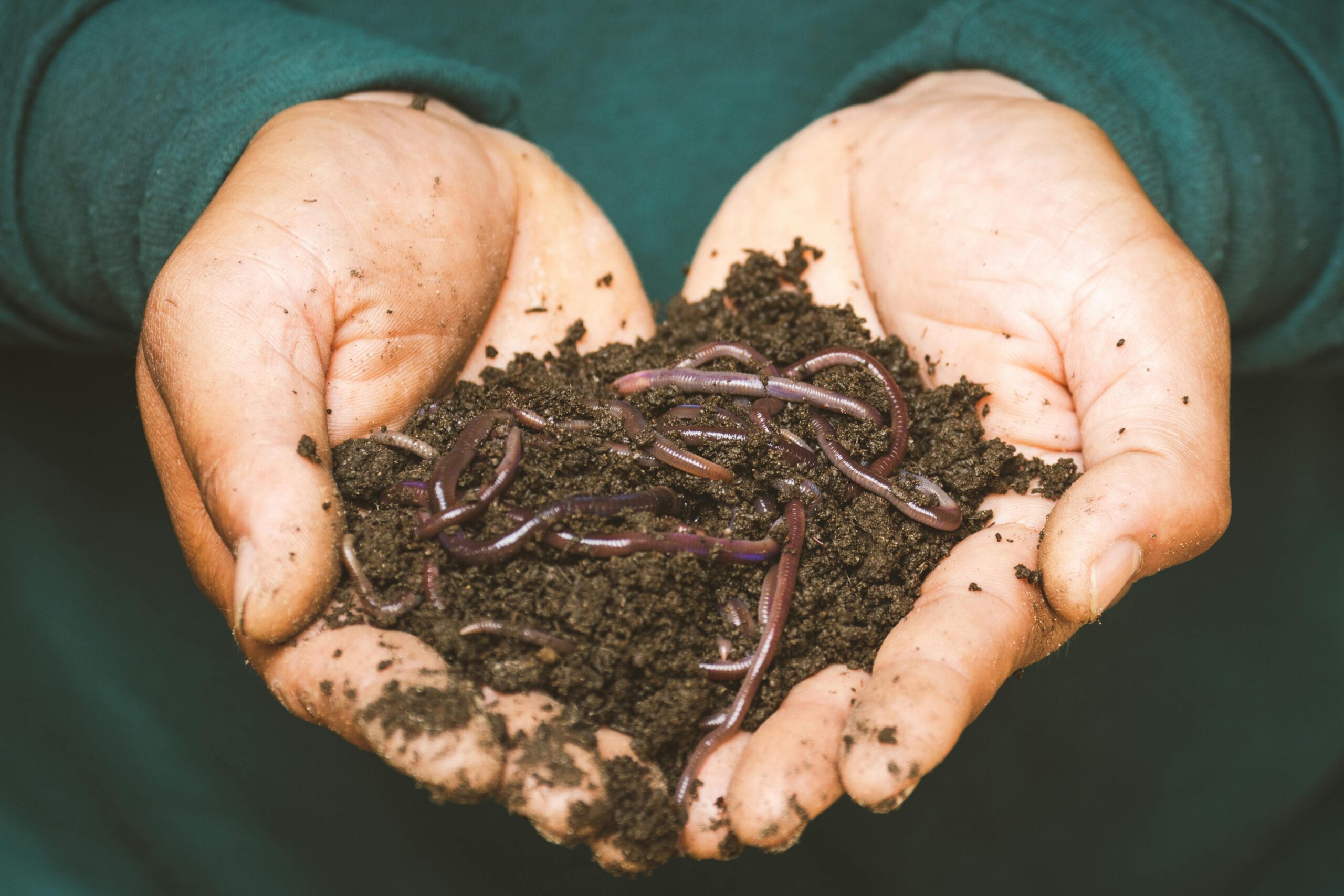
Composting at home has become one of the most practical and environmentally friendly ways to reduce household waste while improving garden health naturally. As more people embrace sustainable living, organic gardening, and eco-friendly lifestyles, home composting is gaining popularity among homeowners, apartment residents, gardeners, and families around the world.
At Fresh Perspective, we believe small lifestyle changes can make a big environmental impact, and composting at home is one of the simplest ways to contribute to a healthier planet while creating nutrient-rich soil for plants and gardens.
Whether you have a large backyard, a small patio, or even limited indoor space, composting can help you recycle food scraps, reduce waste, improve soil quality, and support sustainable gardening practices.
In this complete guide, you’ll learn everything you need to know about composting at home, including how composting works, the best materials to compost, different composting methods, common mistakes, maintenance tips, environmental benefits, and answers to frequently asked questions.
What Is Composting?
Composting is the natural process of breaking down organic materials into nutrient-rich compost that can be used to improve soil and plant health.
Organic waste materials such as:
- Fruit peels
- Vegetable scraps
- Coffee grounds
- Leaves
- Grass clippings
- Eggshells
are decomposed by microorganisms, fungi, bacteria, and insects.
Over time, these materials transform into dark, earthy compost that enriches soil naturally.
Composting is often called “nature’s recycling system” because it converts waste into valuable nutrients for plants.
Why Composting at Home Is Important
Home composting offers both environmental and personal benefits.
Many households throw away large amounts of organic waste every week. Food scraps and yard waste often end up in landfills where they contribute to methane emissions, a greenhouse gas associated with climate change.
By composting at home, you can:
- Reduce household waste
- Lower landfill contributions
- Improve garden soil naturally
- Reduce the need for chemical fertilizers
- Support sustainable living
- Save money on gardening products
Composting also helps create healthier gardens by improving soil structure and moisture retention.
Benefits of Composting at Home
Reduces Household Waste
One of the biggest benefits of composting is reducing the amount of waste sent to landfills.
Food scraps and yard debris make up a large portion of household garbage.
Composting allows these materials to be reused productively.
Improves Soil Health
Compost enriches soil with organic matter and nutrients.
Healthy compost helps:
- Improve soil texture
- Increase moisture retention
- Support beneficial microorganisms
- Enhance root development
Plants grown in compost-rich soil often become stronger and healthier.
Reduces Chemical Fertilizer Use

Homemade compost provides natural nutrients that can reduce dependence on synthetic fertilizers.
Organic gardening enthusiasts especially value compost because it supports chemical-free growing practices.
Saves Money
Composting reduces the need to purchase:
- Soil conditioners
- Commercial fertilizer
- Mulch
- Gardening supplements
It also lowers trash disposal costs in some areas.
Supports Environmental Sustainability

Composting helps reduce methane emissions by diverting organic waste away from landfills.
It also supports eco-friendly gardening and sustainable lifestyles.
How Composting Works
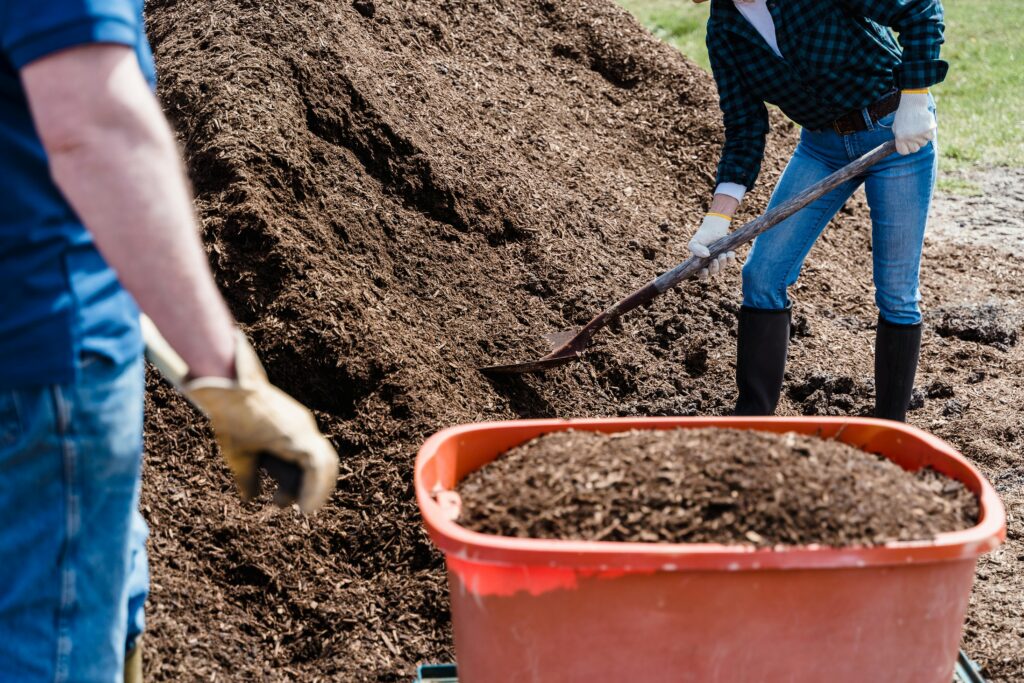
Composting relies on natural decomposition.
Microorganisms break down organic matter under the right conditions.
Successful composting requires a balance of:
- Green materials
- Brown materials
- Moisture
- Oxygen
When balanced correctly, compost decomposes efficiently without unpleasant odors.
Green Materials for Composting
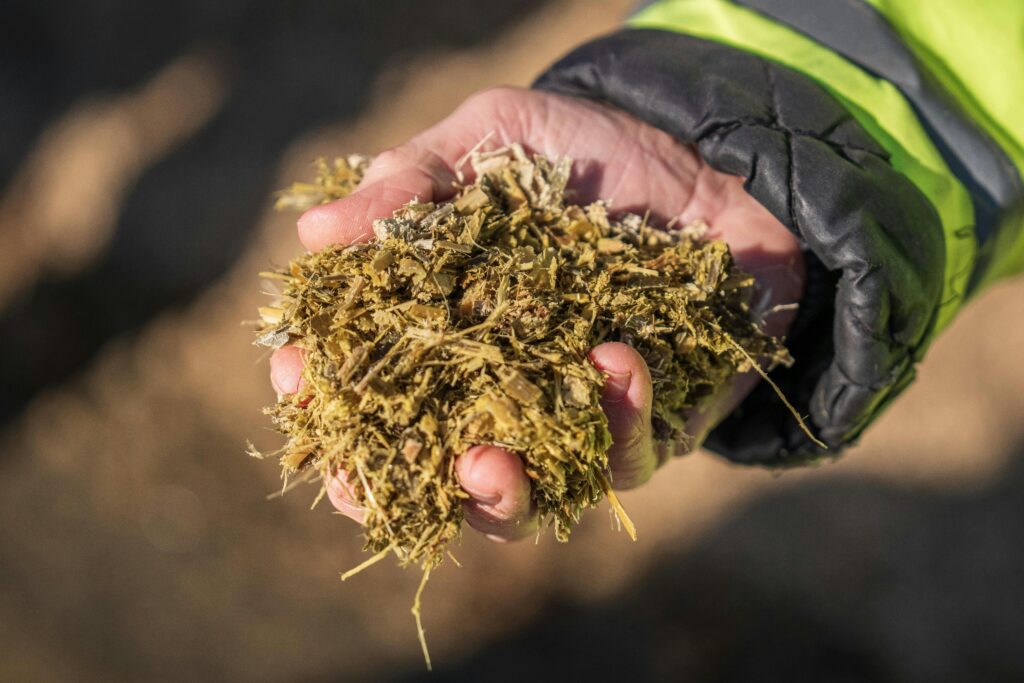
Green materials are nitrogen-rich ingredients that help microorganisms grow.
Examples include:
- Fruit scraps
- Vegetable peels
- Coffee grounds
- Tea bags
- Fresh grass clippings
- Plant trimmings
Green materials add moisture and nutrients to the compost pile.
Brown Materials for Composting
Brown materials are carbon-rich ingredients that provide structure and airflow.
Examples include:
- Dry leaves
- Cardboard
- Paper
- Straw
- Wood chips
- Dry grass
Brown materials help prevent compost from becoming too wet or compacted.
What You Should NOT Compost
Certain materials should be avoided because they may attract pests, create odors, or introduce harmful bacteria.
Avoid composting:
- Meat
- Dairy products
- Oily foods
- Pet waste
- Diseased plants
- Chemically treated wood
These materials may disrupt the composting process.
Types of Home Composting Methods
Backyard Compost Piles
Traditional compost piles are one of the easiest and most affordable methods.
These piles are typically placed in:
- Backyards
- Garden corners
- Outdoor compost bins
Backyard piles work well for:
- Yard waste
- Kitchen scraps
- Large households
Compost Bins
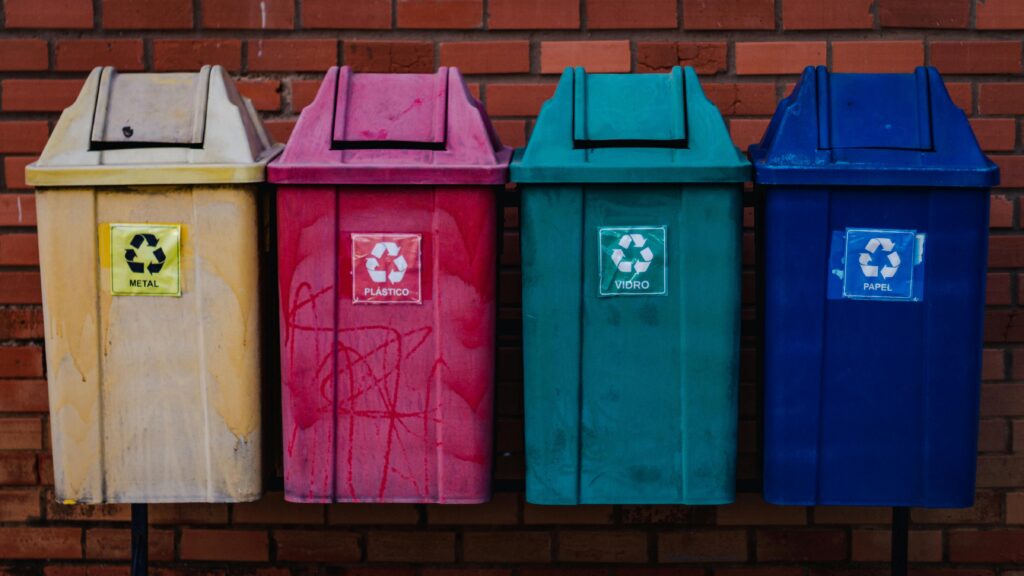
Compost bins help contain materials and improve organization.
Benefits include:
- Better appearance
- Reduced pest access
- Easier maintenance
- Faster decomposition
Bins come in various sizes and styles.
Tumbler Composters
Compost tumblers are rotating containers designed to speed up decomposition.
Advantages include:
- Faster composting
- Easier mixing
- Better aeration
- Cleaner setup
Tumblers are popular for smaller spaces and urban homes.
Vermicomposting
Vermicomposting uses worms to break down organic waste.
Red wigglers are commonly used for indoor composting systems.
Worm composting works well for:
- Apartments
- Indoor spaces
- Small households
Worm castings are highly nutritious for plants.
Bokashi Composting
Bokashi composting uses fermentation rather than traditional decomposition.
This method is ideal for:
- Indoor composting
- Faster breakdown
- Small kitchens
Bokashi systems can handle some food scraps that traditional composting avoids.
How to Start Composting at Home
Step 1: Choose a Composting Method
Select a method based on:
- Available space
- Household size
- Gardening goals
- Indoor or outdoor setup
Step 2: Select a Compost Location
Outdoor compost areas should have:
- Good drainage
- Partial sunlight
- Easy accessibility
Indoor systems should be:
- Well-ventilated
- Convenient to maintain
Step 3: Add Green and Brown Materials
Aim for a balance between:
- Nitrogen-rich greens
- Carbon-rich browns
Many gardeners use a rough ratio of:
- 2 to 3 parts brown materials
- 1 part green materials
Step 4: Maintain Moisture
Compost should feel similar to a damp sponge.
Too much water can cause:
- Odors
- Poor airflow
- Slow decomposition
Too little moisture can stop microbial activity.
Step 5: Turn the Compost Regularly
Turning compost introduces oxygen and speeds decomposition.
Aeration helps:
- Prevent bad smells
- Improve microbial activity
- Create even breakdown
Common Composting Mistakes
Too Much Green Material
Excess food scraps may create:
- Strong odors
- Wet compost
- Poor airflow
Balance greens with dry brown materials.
Ignoring Moisture Levels
Very wet compost becomes compacted and smelly.
Dry compost decomposes slowly.
Lack of Airflow
Without oxygen, compost can become anaerobic and produce unpleasant smells.
Turning compost regularly helps prevent this.
Adding Incorrect Materials
Avoid meat, dairy, and oily foods in traditional compost systems.
These can attract pests and create odor problems.
Signs Your Compost Is Ready
Finished compost typically appears:
- Dark brown
- Crumbly
- Earthy-smelling
- Rich in texture
You should no longer recognize most original materials.
How to Use Compost in Gardening
Compost can be used in many ways.
Garden Beds
Mix compost into garden soil to improve fertility.
Potted Plants
Add compost to potting soil for additional nutrients.
Mulching
Compost can help retain soil moisture when spread around plants.
Lawn Care
Thin layers of compost improve lawn health naturally.
Composting for Small Spaces
You don’t need a large backyard to compost.
Small-space solutions include:
- Worm bins
- Bokashi buckets
- Compact tumblers
- Balcony composters
Apartment residents can still compost successfully with proper systems.
Indoor Composting Tips
Indoor composting requires careful management.
Use Sealed Containers
Properly sealed bins help reduce:
- Odors
- Fruit flies
- Moisture problems
Monitor Moisture Carefully
Indoor systems should remain slightly moist but never soggy.
Avoid Overfeeding Worms
For vermicomposting, add food scraps gradually.
Too much food may create imbalance.
Composting and Sustainable Living
Composting supports sustainability by:
- Reducing landfill waste
- Supporting organic gardening
- Conserving natural resources
- Lowering environmental impact
Many eco-conscious households include composting as part of their sustainable lifestyle routines.
Frequently Asked Questions About Composting at Home
What Is the Best Composting Method for Beginners?
Traditional compost bins and tumblers are beginner-friendly options.
How Long Does Composting Take?
Depending on conditions, compost may take:
- A few weeks
- Several months
Turning compost regularly speeds the process.
Does Composting Smell Bad?
Proper composting should smell earthy, not rotten.
Bad odors usually indicate imbalance or poor airflow.
Can You Compost Indoors?
Yes. Vermicomposting and Bokashi systems work well indoors.
Is Compost Safe for Vegetables?
Yes. Finished compost is widely used in vegetable gardening.
Composting Tips for Better Results
Chop Large Materials
Smaller pieces decompose faster.
Keep a Compost Routine
Regular maintenance improves consistency.
Use a Compost Thermometer
Hot composting systems often perform best at higher temperatures.
Cover Outdoor Compost
Covers help regulate:
- Moisture
- Temperature
- Pest exposure
Why Composting Is the Future of Sustainable Gardening
As environmental awareness grows, composting continues becoming more important for sustainable living.
Home composting supports:
- Organic gardening
- Waste reduction
- Eco-friendly lifestyles
- Soil conservation
Communities worldwide are increasingly encouraging composting to reduce environmental impact.
Final Thoughts on Composting at Home
Composting at home is one of the simplest and most effective ways to reduce waste while creating healthier gardens naturally. Whether you have a large backyard compost pile or a small indoor worm bin, composting allows you to recycle organic materials into nutrient-rich soil that benefits both plants and the environment.
At Fresh Perspective, we believe sustainable habits begin with small daily actions, and composting is a perfect example of how individuals can make a positive environmental difference from home.
The best part about composting is that anyone can start regardless of experience level or living space.
With the right balance of green materials, brown materials, moisture, and airflow, you can successfully create high-quality compost that supports healthier plants, reduces waste, and promotes eco-friendly gardening.
As more people embrace sustainable living and organic gardening, composting at home will continue to grow as one of the most valuable and rewarding environmental practices for households around the world.