
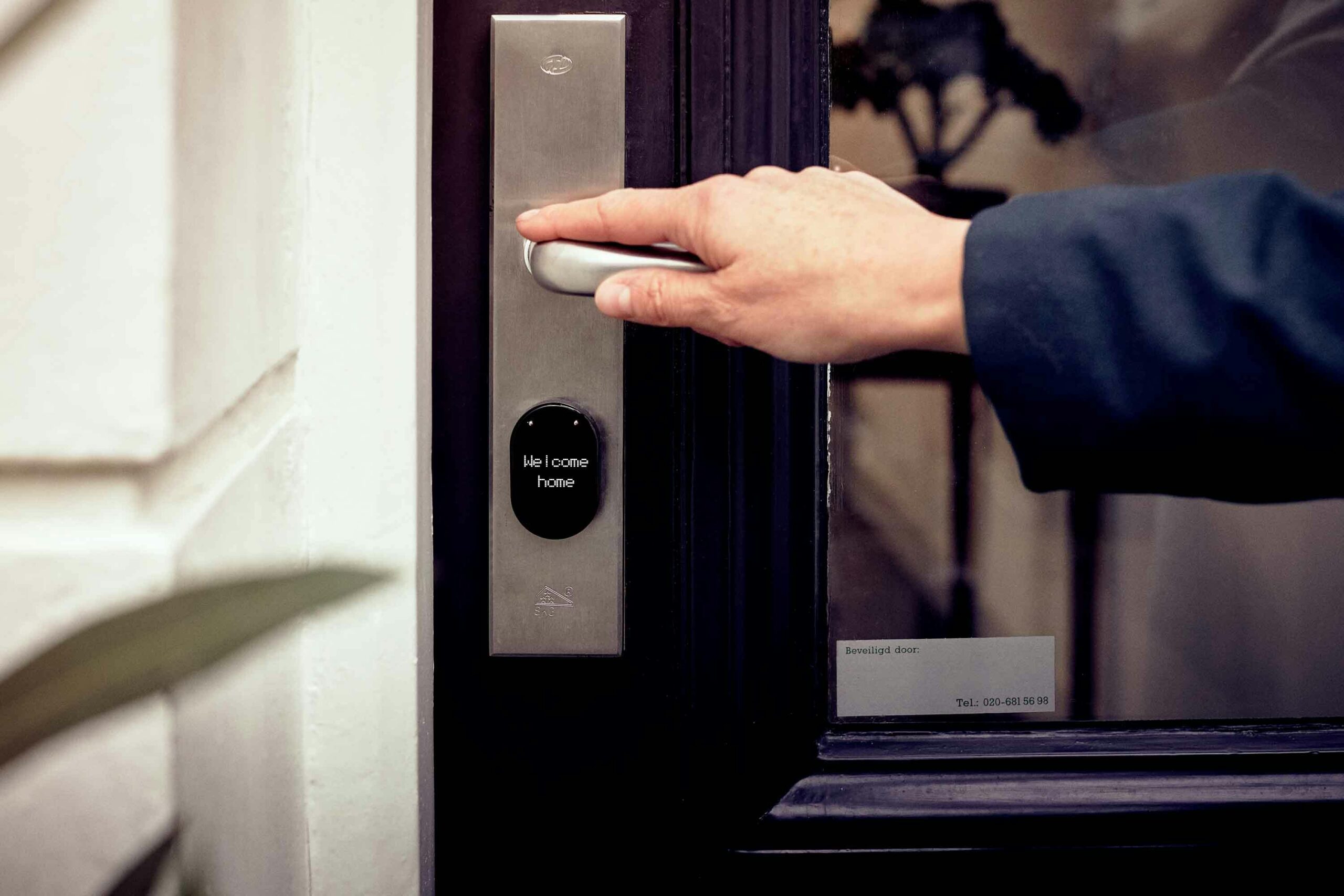
Home security has evolved far beyond traditional locks and physical keys. Today, homeowners are embracing smarter, more convenient, and highly connected security solutions that improve safety while simplifying everyday access. One of the fastest-growing technologies in modern smart homes is smart door locks and access systems.
At Fresh Perspective, we believe modern living should combine convenience, security, and smart technology in ways that improve everyday life. Smart door locks and access systems provide homeowners with advanced protection, remote accessibility, and intelligent automation that traditional locking systems simply cannot offer.
Whether you want keyless entry, remote access control, enhanced home security, or smart home integration, smart door lock systems are becoming an essential part of connected living.
In this complete guide, you’ll learn everything you need to know about smart door locks and access systems, including how they work, their benefits, popular features, installation tips, security considerations, future trends, and answers to frequently asked questions.
What Are Smart Door Locks and Access Systems?
Smart door locks are electronic locking devices that allow users to control and monitor door access using digital technology instead of traditional keys.
These systems often use:
- Wi-Fi connectivity
- Bluetooth technology
- Keypads
- Fingerprint scanners
- Smartphone apps
- Voice assistants
- Biometric security
Access systems refer to the broader network of technologies used to manage entry permissions and home security.
Smart locks may allow access through:
- PIN codes
- Mobile apps
- Voice commands
- Fingerprints
- NFC cards
- Facial recognition
- Remote authorization
These systems provide more flexible and intelligent home security solutions.
Why Smart Door Locks Are Becoming Popular
Modern homeowners are increasingly choosing smart access systems because they offer:
- Keyless convenience
- Improved security
- Remote monitoring
- Smart home integration
- Access management
- Automation features
As smart homes continue growing in popularity, connected security systems are becoming standard features in modern households.
Many users appreciate the ability to manage home access remotely while improving overall security.
How Smart Door Locks and Access Systems Work
Smart locks communicate through wireless technologies such as:
- Wi-Fi
- Bluetooth
- Zigbee
- Z-Wave
- Matter
Users can control access using:
- Smartphone apps
- PIN keypads
- Biometrics
- Voice assistants
- Automation routines
The system verifies authorization before locking or unlocking the door electronically.
Some smart locks also provide:
- Real-time notifications
- Access logs
- Remote control
- Temporary guest access
Advanced systems may integrate directly with broader home automation platforms.
Benefits of Smart Door Locks and Access Systems
Keyless Convenience
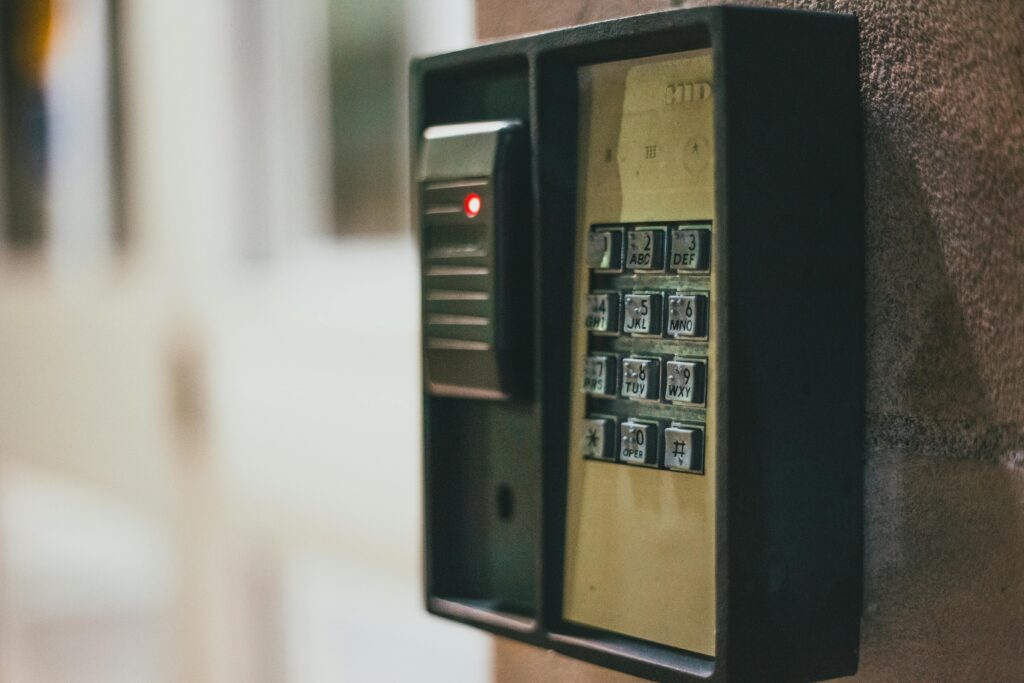
One of the biggest advantages of smart locks is eliminating traditional keys.
Users no longer need to worry about:
- Lost keys
- Forgotten keys
- Spare key management
Keyless access improves daily convenience significantly.
Enhanced Home Security
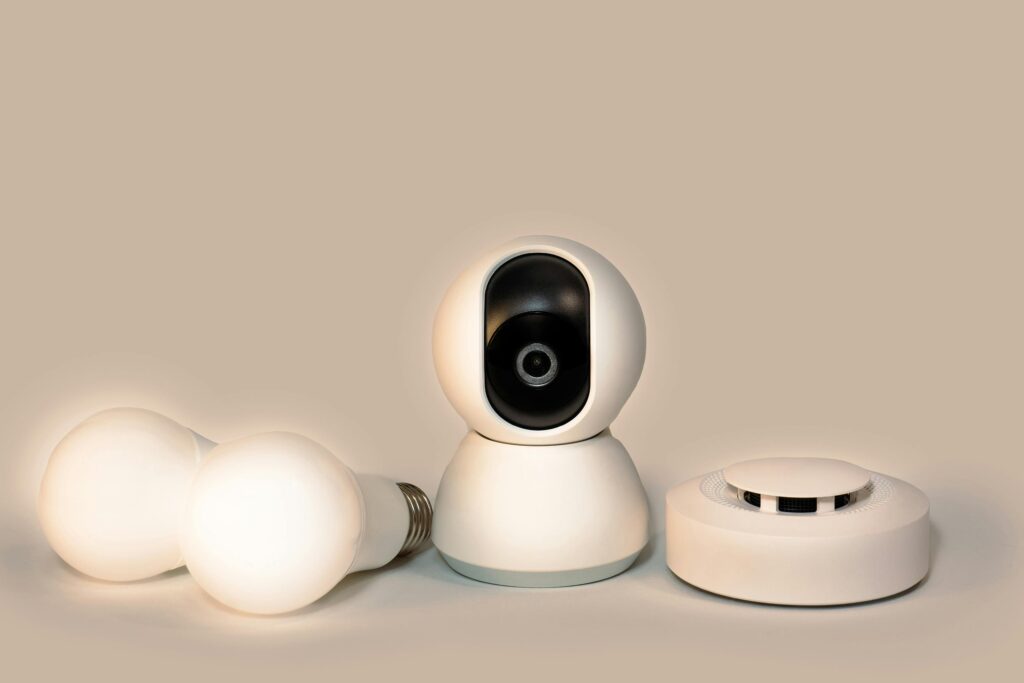
Smart access systems offer advanced security features beyond standard locks.
Benefits may include:
- Real-time alerts
- Tamper detection
- Access tracking
- Remote locking
- Activity monitoring
Many systems provide better visibility into who enters and exits the home.
Remote Access Control
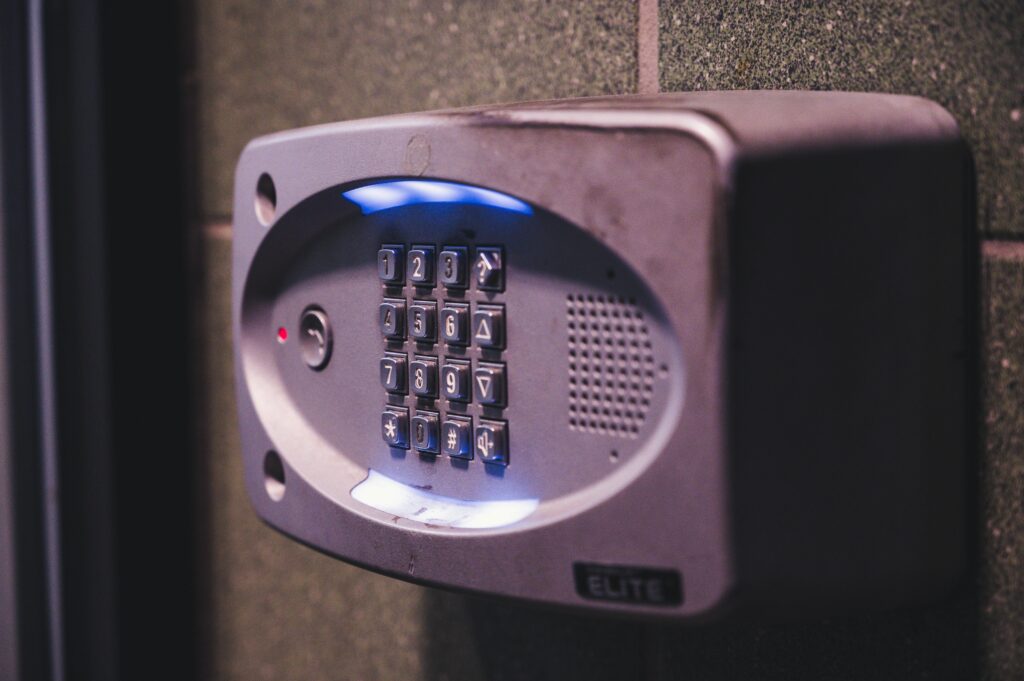
Homeowners can manage locks remotely using mobile apps.
This allows users to:
- Unlock doors from anywhere
- Grant temporary access
- Check lock status
- Receive notifications
Remote control is especially useful for families and travelers.
Smart Home Integration
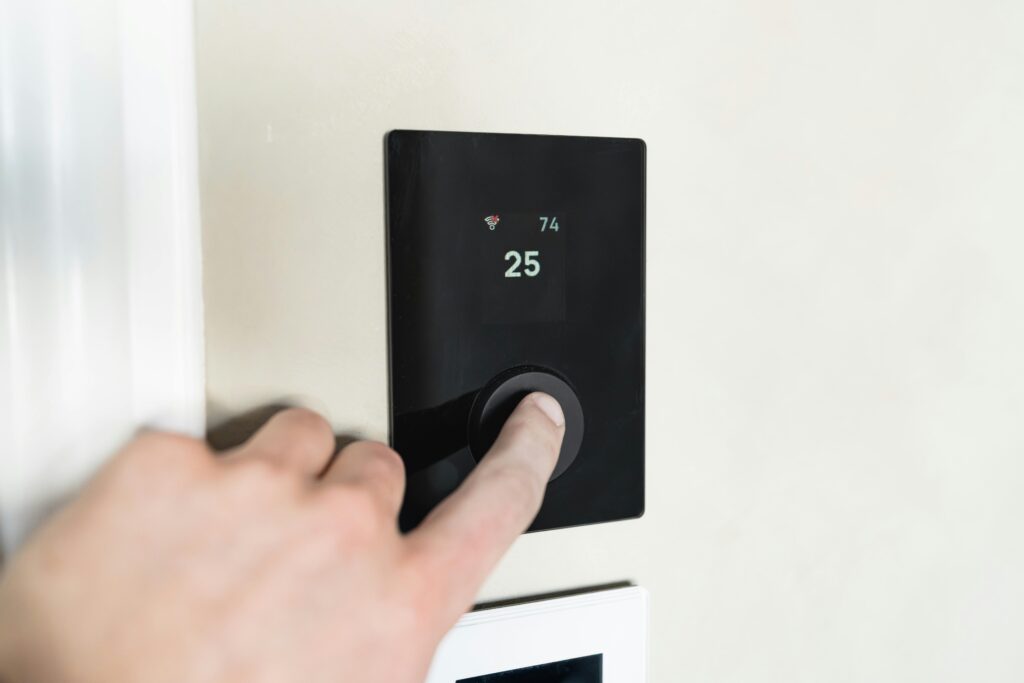
Smart locks often integrate with:
- Security systems
- Smart lighting
- Home automation hubs
- Voice assistants
- Smart cameras
This creates fully connected smart home ecosystems.
Temporary Guest Access
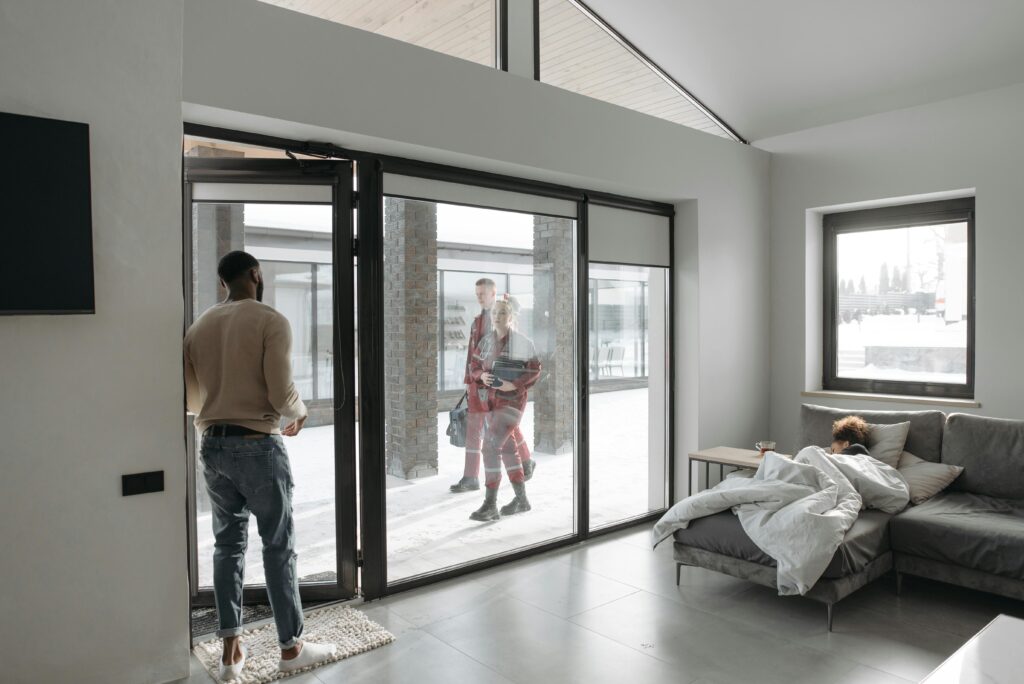
Many systems allow homeowners to create temporary access codes for:
- Guests
- Housekeepers
- Delivery services
- Contractors
- Pet sitters
Temporary permissions improve flexibility and security.
Popular Types of Smart Door Locks
Keypad Smart Locks
Keypad locks allow users to unlock doors using numeric PIN codes.
Advantages include:
- Easy access
- No physical keys
- Multiple user codes
Bluetooth Smart Locks
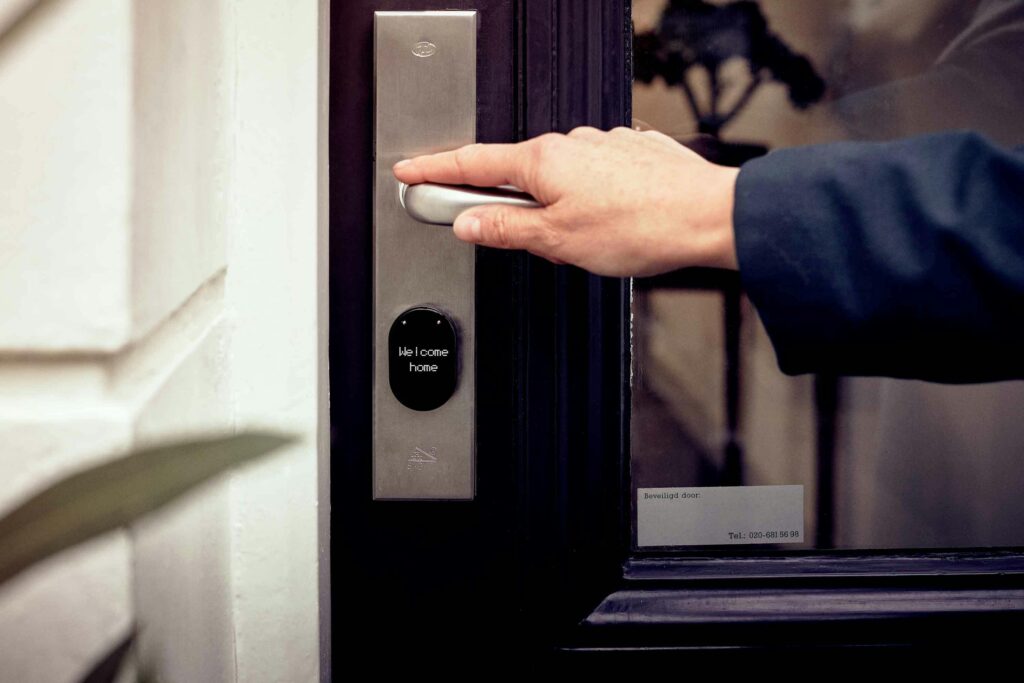
Bluetooth locks communicate directly with nearby smartphones.
These systems are often simple to install and energy efficient.
Wi-Fi Smart Locks
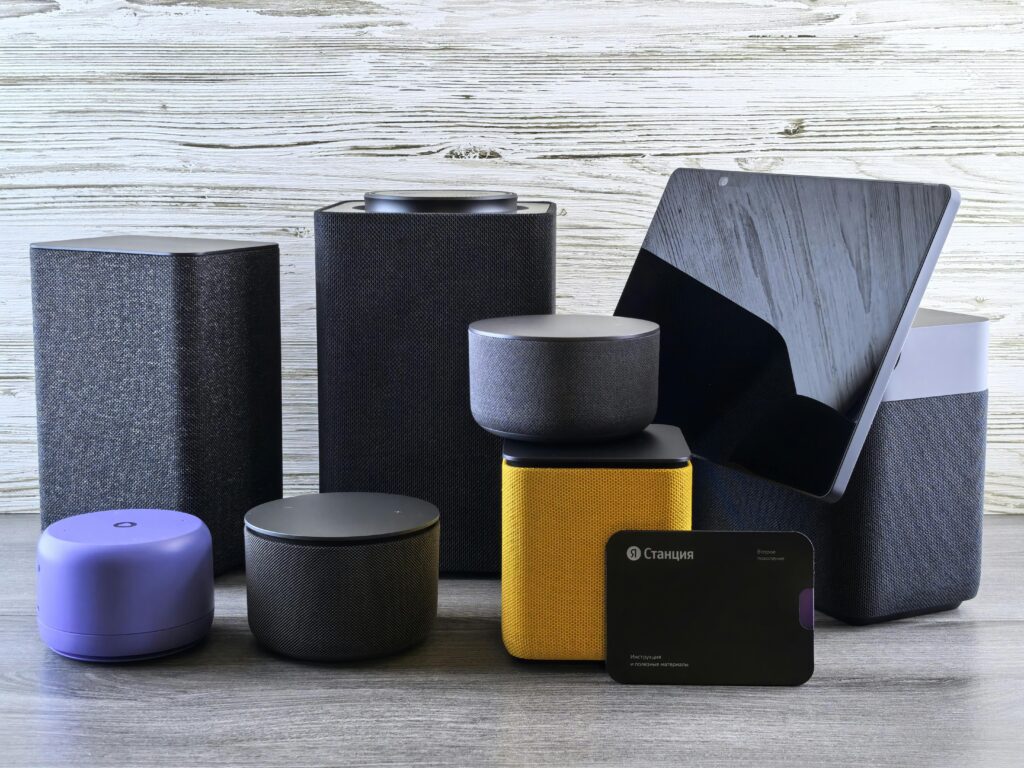
Wi-Fi-enabled locks allow remote internet-based access and monitoring.
Features often include:
- Mobile notifications
- Remote unlocking
- Cloud access logs
Biometric Smart Locks
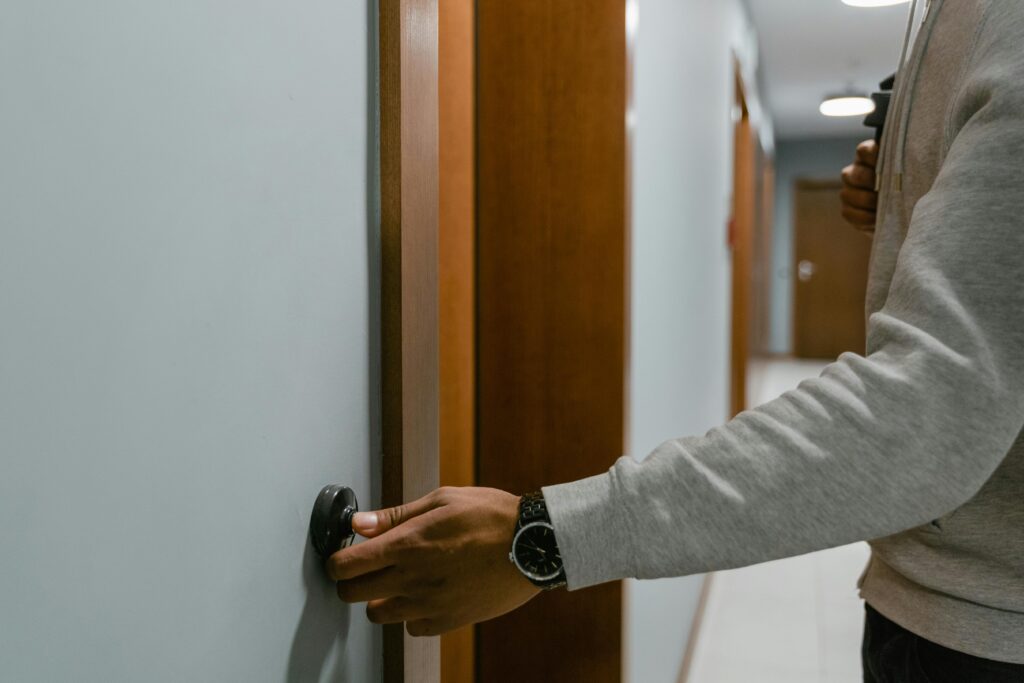
Biometric systems use:
- Fingerprint scanning
- Facial recognition
- Retina scanning
These systems provide advanced identity verification.
RFID and NFC Access Systems
Some smart locks use contactless cards or smartphone tap technology for entry.
Smart Door Locks and Smart Home Automation
Smart access systems work especially well within connected smart homes.
Automation examples include:
- Unlocking doors when arriving home
- Turning on lights after entry
- Activating security systems when leaving
- Adjusting thermostats automatically
Integrated automation improves convenience and efficiency.
Voice Control and Smart Locks
Many smart locks support voice assistant integration with:
- Amazon Alexa
- Google Assistant
- Apple Siri
Users may control systems using voice commands such as:
- “Lock the front door”
- “Check if the garage door is locked”
Some systems require voice authentication for security purposes.
Smart Door Locks and Home Security
Security is one of the primary reasons homeowners adopt smart access systems.
Real-Time Monitoring
Users receive notifications when doors are:
- Locked
- Unlocked
- Left open
- Accessed unexpectedly
Access History Logs
Smart systems often track entry activity.
Users can monitor:
- Who entered
- Entry times
- Failed access attempts
Automatic Locking
Many systems automatically lock doors after a set period.
This reduces the risk of accidentally leaving doors unlocked.
Intrusion Detection
Advanced locks may detect:
- Forced entry attempts
- Tampering
- Unauthorized access
Smart Door Locks for Families
Families often benefit greatly from smart access systems.
Useful family features include:
- Individual user codes
- Child access monitoring
- Scheduled entry permissions
- Keyless school access
Smart systems simplify household entry management.
Smart Access Systems for Rental Properties
Property owners and Airbnb hosts increasingly use smart locks.
Benefits include:
- Remote guest access
- Temporary entry codes
- Simplified key management
- Improved security monitoring
This reduces logistical challenges for short-term rentals.
Smart Door Locks and Accessibility
Smart locks improve accessibility for:
- Seniors
- People with mobility challenges
- Individuals with disabilities
Voice control and automatic unlocking simplify entry for many users.
Installation of Smart Door Locks
Many smart locks are designed for DIY installation.
Basic setup often includes:
- Removing the old lock
- Installing the smart lock hardware
- Connecting to Wi-Fi or Bluetooth
- Installing the mobile app
- Configuring access settings
Some advanced systems may require professional installation.
Common Challenges of Smart Door Locks
Battery Dependence
Most smart locks rely on battery power.
Regular battery replacement is important.
Internet Connectivity Issues
Some features may not function properly during internet outages.
Compatibility Concerns
Not all locks work with every smart home platform.
Compatibility research is important before purchasing.
Cybersecurity Risks
Connected devices require strong digital security practices.
Tips for Using Smart Door Locks Safely
Use Strong Passwords
Secure accounts with strong, unique passwords.
Enable Two-Factor Authentication
Additional verification improves account security.
Update Firmware Regularly
Software updates improve protection and system reliability.
Monitor Access Logs
Review activity records for unusual behavior.
Smart Door Locks and Privacy Considerations
As with many connected devices, privacy remains important.
Users should carefully review:
- Data collection policies
- Cloud storage settings
- Access permissions
Choosing trusted manufacturers improves security and transparency.
Smart Door Locks and Energy Efficiency
Although security is the primary focus, some smart systems also support energy efficiency.
Examples include:
- Triggering climate control adjustments after entry
- Coordinating with smart lighting systems
- Managing occupancy-based automation
Connected homes operate more efficiently overall.
Future Trends in Smart Door Locks and Access Systems
Smart access technology continues evolving rapidly.
Future innovations may include:
- AI-powered threat detection
- Advanced biometrics
- Facial recognition improvements
- Predictive security automation
- Enhanced cybersecurity
- Seamless smart city integration
The future of home security is becoming increasingly intelligent and automated.
Smart Access Systems and Smart Cities
As smart cities continue developing, connected access systems may integrate with broader digital infrastructure.
Future possibilities include:
- Secure building access
- Smart delivery systems
- Urban security networks
- Connected residential communities
Smart access systems may play major roles in future urban living environments.
Smart Door Locks and Modern Lifestyles
Modern lifestyles increasingly prioritize:
- Convenience
- Automation
- Remote management
- Security
- Smart integration
Smart locks address all of these needs while simplifying home access and improving household safety.
Frequently Asked Questions About Smart Door Locks and Access Systems
What Are Smart Door Locks?
Smart door locks are electronic locking systems that allow digital and remote access control.
Can Smart Locks Work Without Wi-Fi?
Many systems still support local Bluetooth or keypad access without internet connectivity.
Are Smart Locks Safe?
Yes, when combined with proper cybersecurity practices and strong authentication settings.
Do Smart Locks Require Professional Installation?
Many smart locks are designed for simple DIY installation.
Can Smart Locks Be Hacked?
Like any connected device, cybersecurity risks exist, but reputable systems use encryption and security protections.
Why Smart Door Locks Represent the Future of Home Security
Modern homeowners increasingly seek:
- Keyless convenience
- Connected living
- Enhanced security
- Remote monitoring
- Smart automation
Smart door locks combine these benefits into intelligent access systems that improve both convenience and protection.
As smart home adoption grows, digital access systems are likely to become standard security features in modern homes.
Final Thoughts on Smart Door Locks and Access Systems
Smart door locks and access systems are transforming modern home security by providing more intelligent, flexible, and connected solutions for managing household access. Whether improving convenience, enhancing safety, simplifying guest access, or integrating with smart home ecosystems, these systems offer practical advantages for homeowners of all types.
At Fresh Perspective, we believe smart technology should improve safety, simplify routines, and support modern lifestyles.
The best part about smart access systems is their ability to combine advanced security with everyday convenience. From remote unlocking and biometric authentication to automation routines and real-time monitoring, smart locks offer far more functionality than traditional locking systems.
As technology continues advancing through artificial intelligence, biometrics, smart home integration, and connected living innovations, smart door locks and access systems will remain central to the future of modern home security.