
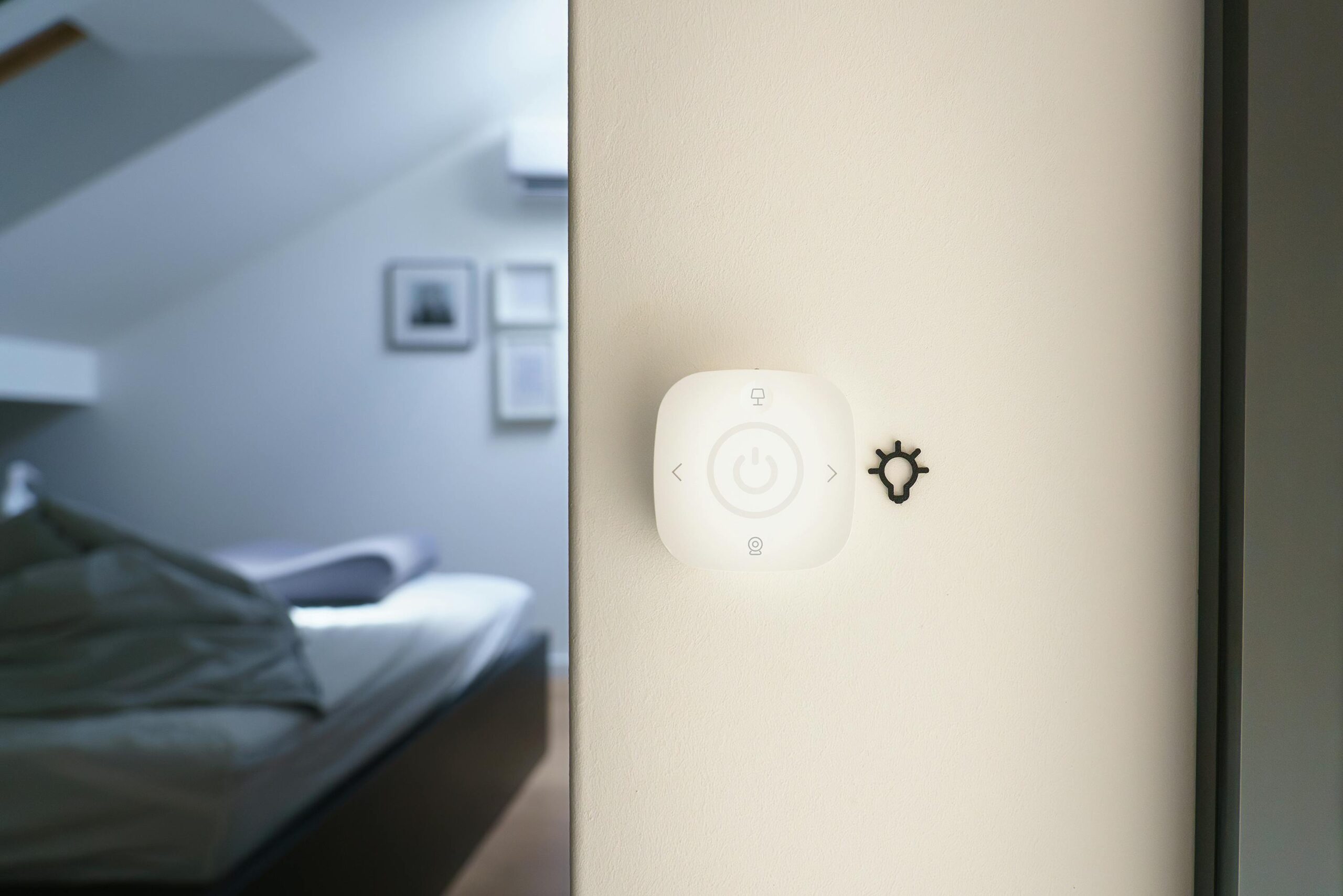
Lighting has always played a major role in creating comfortable, functional, and visually appealing living spaces. Today, modern technology is transforming traditional lighting into intelligent systems that offer automation, convenience, energy efficiency, and personalized control. Smart lighting systems are becoming one of the most popular smart home upgrades for homeowners seeking a more connected and efficient lifestyle.
At Fresh Perspective, we believe smart technology should improve everyday living while supporting comfort, sustainability, and modern design. Smart lighting systems help homeowners create customizable indoor and outdoor environments while reducing energy waste and simplifying daily routines.
From voice-controlled bulbs and motion sensors to app-controlled lighting scenes and automated schedules, smart lighting technology is changing how people interact with their homes.
In this complete guide, you’ll learn everything you need to know about smart lighting systems, including how they work, their benefits, common features, installation tips, energy-saving advantages, future trends, and answers to frequently asked questions.
What Are Smart Lighting Systems?
Smart lighting systems are advanced lighting solutions that allow users to control lights remotely or automatically using internet-connected technology.
Unlike traditional lighting, smart systems can be controlled through:
- Smartphone apps
- Voice assistants
- Motion sensors
- Automation schedules
- Smart home hubs
These systems often include:
- Smart bulbs
- Smart switches
- Dimmers
- LED lighting
- Motion detectors
- Automation controls
Smart lighting allows users to customize brightness, colors, timing, and lighting scenes according to their preferences.
Why Smart Lighting Systems Are Becoming Popular
Modern homeowners are increasingly choosing smart lighting because it offers:
- Convenience
- Energy efficiency
- Smart home integration
- Enhanced ambiance
- Automation
- Improved security
As smart homes become more common, intelligent lighting systems are becoming a key part of connected living environments.
Many homeowners appreciate the ability to manage lighting remotely while reducing electricity consumption.
How Smart Lighting Systems Work
Smart lighting systems use wireless communication technologies such as:
- Wi-Fi
- Bluetooth
- Zigbee
- Z-Wave
- Matter
These technologies allow lighting devices to connect with:
- Smartphones
- Smart home hubs
- Voice assistants
- Automation systems
Users can control lighting manually or automate settings based on schedules, occupancy, or environmental conditions.
For example, lights can automatically:
- Turn on at sunset
- Dim during movie time
- Switch off when rooms are empty
- Change colors for special occasions
Automation simplifies lighting management while improving efficiency.
Benefits of Smart Lighting Systems
Energy Efficiency
One of the biggest benefits of smart lighting is reduced energy consumption.
Smart systems help conserve electricity through:
- LED technology
- Automated shutoff
- Motion sensing
- Dimming controls
- Scheduling features
Efficient lighting may help lower monthly utility bills.
Convenience and Automation
Smart lighting systems eliminate the need for manual switches in many situations.
Users can:
- Control lights remotely
- Create schedules
- Use voice commands
- Automate lighting scenes
This improves comfort and simplifies daily routines.
Enhanced Home Security
Automated lighting improves home security by simulating occupancy when homeowners are away.
Smart systems can:
- Turn lights on and off automatically
- Activate motion-based outdoor lighting
- Integrate with security systems
Well-lit homes may help deter unwanted activity.
Personalized Lighting Experiences
Smart lighting allows users to customize:
- Brightness levels
- Light colors
- Warm or cool tones
- Mood lighting
- Room-specific scenes
This creates more comfortable and personalized environments.
Smart Home Integration
Modern lighting systems integrate with:
- Amazon Alexa
- Google Assistant
- Apple HomeKit
- Smart thermostats
- Home automation hubs
Connected systems create more intelligent smart homes.
Types of Smart Lighting Systems
Smart Bulbs
Smart bulbs are among the most common smart lighting products.
Features often include:
- Remote control
- Dimming
- Color changing
- Scheduling
- Voice assistant compatibility
These bulbs are usually easy to install in standard light fixtures.
Smart Light Switches
Smart switches replace traditional wall switches and control connected lighting circuits.
Advantages include:
- Whole-room control
- Smart scheduling
- Automation support
Smart LED Strips
LED strip lighting is popular for decorative and accent lighting.
Common uses include:
- Under-cabinet lighting
- Entertainment setups
- Bedroom ambiance
- Outdoor accents
Motion Sensor Lighting
Motion-activated smart lighting automatically turns on when movement is detected.
This improves:
- Convenience
- Energy efficiency
- Security
Outdoor Smart Lighting
Outdoor systems may include:
- Landscape lighting
- Pathway lights
- Security floodlights
- Smart garden lighting
These systems improve curb appeal and safety.
Smart Lighting and Voice Control
Voice assistant integration is one of the most popular features of smart lighting systems.
Users can control lights using commands such as:
- “Turn off the bedroom lights”
- “Dim the living room lights”
- “Set movie mode”
Voice control improves convenience and accessibility.
Smart Lighting Scenes and Automation
Lighting scenes allow users to create customized lighting settings for different activities.
Movie Mode
A scene may automatically:
- Dim lights
- Turn off overhead lighting
- Activate ambient LED strips
Morning Routine
Smart lighting can gradually brighten in the morning to simulate sunrise.
Bedtime Scene
Nighttime automation may:
- Dim lights slowly
- Turn off unused rooms
- Activate night lights
Party Lighting
Color-changing bulbs can create dynamic lighting effects for events and gatherings.
Smart Lighting and Energy Savings
Lighting accounts for a significant portion of household electricity usage.
Smart systems reduce waste by:
- Automatically turning off unused lights
- Using energy-efficient LEDs
- Adjusting brightness levels
- Scheduling operation
Energy-efficient homes support sustainability while lowering utility expenses.
Smart Lighting for Different Areas of the Home
Living Rooms
Smart lighting creates comfortable entertainment and relaxation environments.
Kitchens
Bright task lighting improves cooking visibility and functionality.
Bedrooms
Adjustable lighting supports sleep comfort and nighttime routines.
Bathrooms
Motion-activated lighting improves convenience during nighttime use.
Outdoor Spaces
Smart landscape lighting improves safety, visibility, and curb appeal.
Smart Lighting and Home Security
Lighting automation plays an important role in smart home security systems.
Features may include:
- Motion-activated floodlights
- Scheduled occupancy simulation
- Integration with security cameras
- Emergency lighting alerts
Well-managed outdoor lighting improves home safety.
Smart Lighting for Accessibility
Smart lighting systems improve accessibility for:
- Seniors
- People with mobility limitations
- Individuals with disabilities
Voice commands and automation simplify everyday lighting control.
Installation of Smart Lighting Systems
Many smart lighting products are relatively easy to install.
Basic setup often involves:
- Replacing bulbs or switches
- Connecting devices to Wi-Fi
- Installing mobile apps
- Configuring automation settings
Some advanced systems may require professional electrical installation.
Common Challenges of Smart Lighting Systems
Wi-Fi Dependence
Most smart lighting systems rely on stable internet connectivity.
Compatibility Issues
Not all smart devices work together seamlessly.
Choosing compatible ecosystems improves reliability.
Initial Costs
Smart lighting products may cost more upfront than traditional lighting.
However, long-term energy savings may offset expenses over time.
Learning Curve
New users may need time to understand automation and scheduling features.
Tips for Using Smart Lighting Systems Effectively
Use LED Smart Bulbs
LED technology offers excellent energy efficiency and long lifespan.
Create Automation Schedules
Scheduling lights improves convenience and energy management.
Organize Devices by Room
Grouping devices simplifies app and voice control.
Use Motion Sensors Strategically
Motion-activated lighting works well in:
- Hallways
- Bathrooms
- Garages
- Outdoor pathways
Smart Lighting and Interior Design
Smart lighting enhances modern interior design by allowing homeowners to customize ambiance and mood.
Adjustable lighting supports:
- Relaxation
- Productivity
- Entertainment
- Decorative aesthetics
Lighting has become an important design element in contemporary homes.
Future Trends in Smart Lighting Systems
Smart lighting technology continues evolving rapidly.
Future innovations may include:
- AI-powered lighting automation
- Circadian rhythm lighting
- Advanced energy optimization
- Improved voice interaction
- Smart city integration
- Enhanced wireless communication
Future lighting systems may become even more adaptive and personalized.
Smart Lighting and Sustainable Living
Sustainability is one of the key benefits of smart lighting technology.
Efficient systems support:
- Reduced energy consumption
- Lower carbon emissions
- Environmentally responsible living
Smart homes contribute to greener lifestyles and improved resource management.
Smart Lighting Systems and Smart Homes
Lighting is often one of the first technologies homeowners adopt when building smart homes.
Smart lighting works especially well with:
- Home automation hubs
- Smart thermostats
- Security systems
- Voice assistants
Connected ecosystems create seamless smart living experiences.
Frequently Asked Questions About Smart Lighting Systems
What Are Smart Lighting Systems?
Smart lighting systems are internet-connected lighting solutions that allow remote and automated control of home lighting.
Do Smart Lights Save Energy?
Yes. Smart lighting reduces waste through automation, dimming, and LED efficiency.
Can Smart Lighting Work Without Wi-Fi?
Some systems may offer limited local functionality, but advanced features often require internet access.
Are Smart Lights Difficult to Install?
Most smart bulbs are easy to install, while some switches may require electrical knowledge.
Can Smart Lighting Improve Home Security?
Yes. Automated lighting and motion sensors help improve visibility and occupancy simulation.
Why Smart Lighting Systems Represent the Future of Modern Living
Modern homeowners increasingly value:
- Convenience
- Energy efficiency
- Automation
- Sustainability
- Smart home integration
Smart lighting systems combine all of these benefits while improving both functionality and aesthetics.
As smart home technology becomes more advanced and affordable, intelligent lighting will likely become a standard feature in future homes.
Final Thoughts on Smart Lighting Systems
Smart lighting systems are transforming modern homes by creating more efficient, comfortable, secure, and personalized living environments. Whether improving energy efficiency, enhancing interior ambiance, automating routines, or integrating with smart home ecosystems, intelligent lighting offers practical advantages for households of all sizes.
At Fresh Perspective, we believe smart technology should simplify life while supporting sustainable and connected living.
The best part about smart lighting systems is their flexibility. Homeowners can start with a few smart bulbs and gradually expand into fully automated lighting ecosystems tailored to their needs and lifestyles.
With continuous advancements in artificial intelligence, automation, wireless connectivity, and energy management, smart lighting systems will remain one of the most important technologies shaping the future of modern smart homes.