
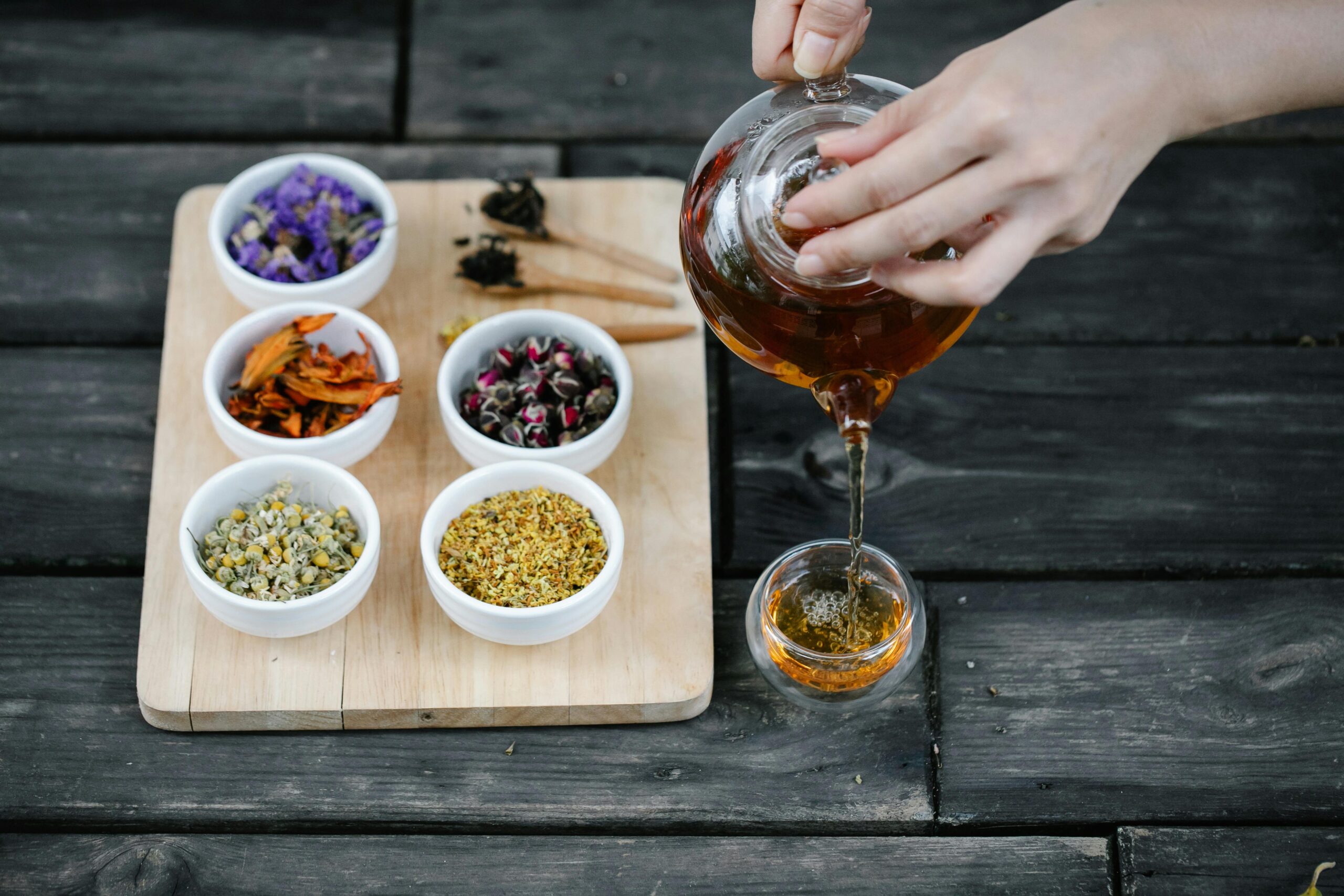
In a world filled with constant notifications, busy schedules, and fast-paced routines, many people are searching for simple ways to slow down and reconnect with healthier habits. One of the most timeless and comforting wellness traditions is the herbal tea wellness lifestyle — a mindful approach to relaxation, balance, and self-care centered around natural tea rituals and intentional living.
At Fresh Perspective, we believe wellness is often found in small everyday moments. Herbal tea routines encourage people to pause, relax, and create mindful habits that support emotional comfort and healthier lifestyles. From calming evening rituals and cozy morning routines to mindful tea breaks during stressful days, herbal tea has become an important part of modern wellness culture.
More than just a beverage, herbal tea represents relaxation, mindfulness, simplicity, and intentional self-care. Whether enjoyed alone during quiet moments or shared socially with loved ones, herbal tea rituals continue to inspire healthier and calmer lifestyles worldwide.
In this guide, we’ll explore the herbal tea wellness lifestyle, popular herbal teas, mindful rituals, wellness-focused habits, home tea spaces, relaxation routines, and how tea culture continues shaping modern self-care trends.
What Is the Herbal Tea Wellness Lifestyle?
The herbal tea wellness lifestyle is a wellness-centered approach to daily living that incorporates herbal tea rituals into mindful routines and self-care practices.
This lifestyle often focuses on:
- Relaxation
- Mindfulness
- Intentional living
- Daily rituals
- Emotional balance
- Comfort-focused routines
Unlike rushed coffee culture or fast-paced habits, herbal tea rituals encourage slowing down and being present in the moment.
Why Herbal Tea Culture Is Growing in Popularity
Modern lifestyles often involve:
- High stress levels
- Long working hours
- Digital overstimulation
- Mental fatigue
- Lack of relaxation time
As wellness culture grows, many people are turning toward calming rituals that encourage balance and mindfulness.
Herbal tea has become increasingly popular because it offers:
- Comfort
- Warmth
- Relaxing routines
- Quiet moments
- Wellness-focused habits
Tea culture naturally fits into slower and more intentional lifestyles.
The Connection Between Tea and Mindfulness
One reason herbal tea rituals feel calming is because they encourage mindfulness.
Tea preparation often involves:
- Slowing down
- Paying attention to small details
- Creating quiet moments
- Being intentional
Simple acts like boiling water, choosing tea blends, and sipping slowly can create relaxing mental breaks during busy days.
Popular Herbal Teas in Wellness Culture
There are many herbal tea varieties commonly enjoyed as part of wellness-focused lifestyles.
Chamomile Tea
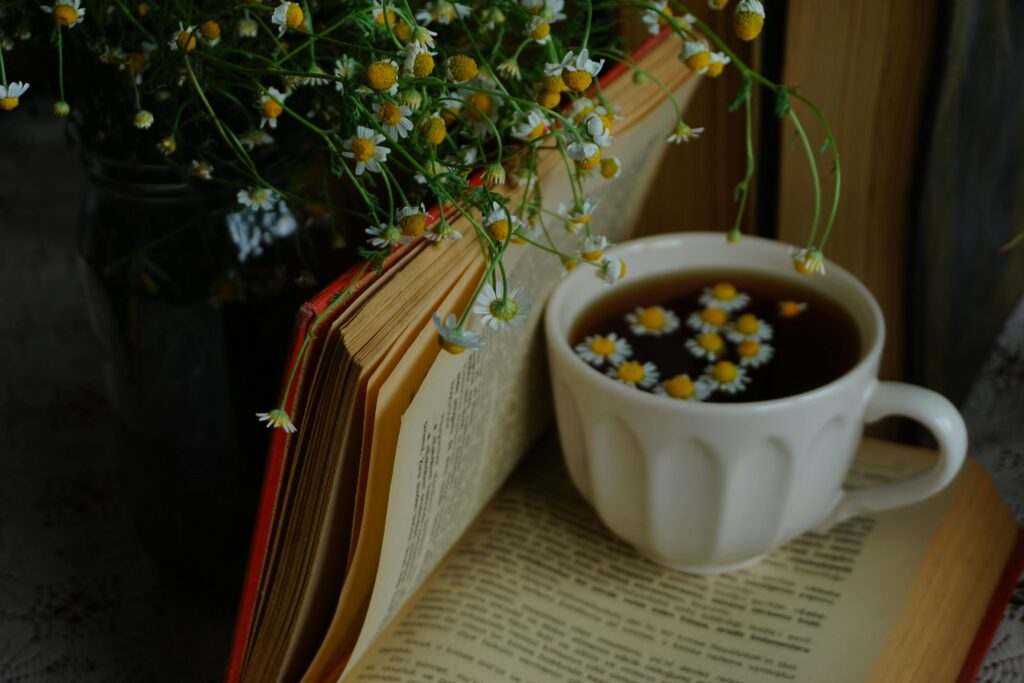
Chamomile tea is widely associated with relaxation and cozy evening routines.
People often enjoy chamomile tea during:
- Quiet evenings
- Bedtime rituals
- Reading sessions
- Relaxation routines
Its gentle floral aroma contributes to a calming atmosphere.
Peppermint Tea
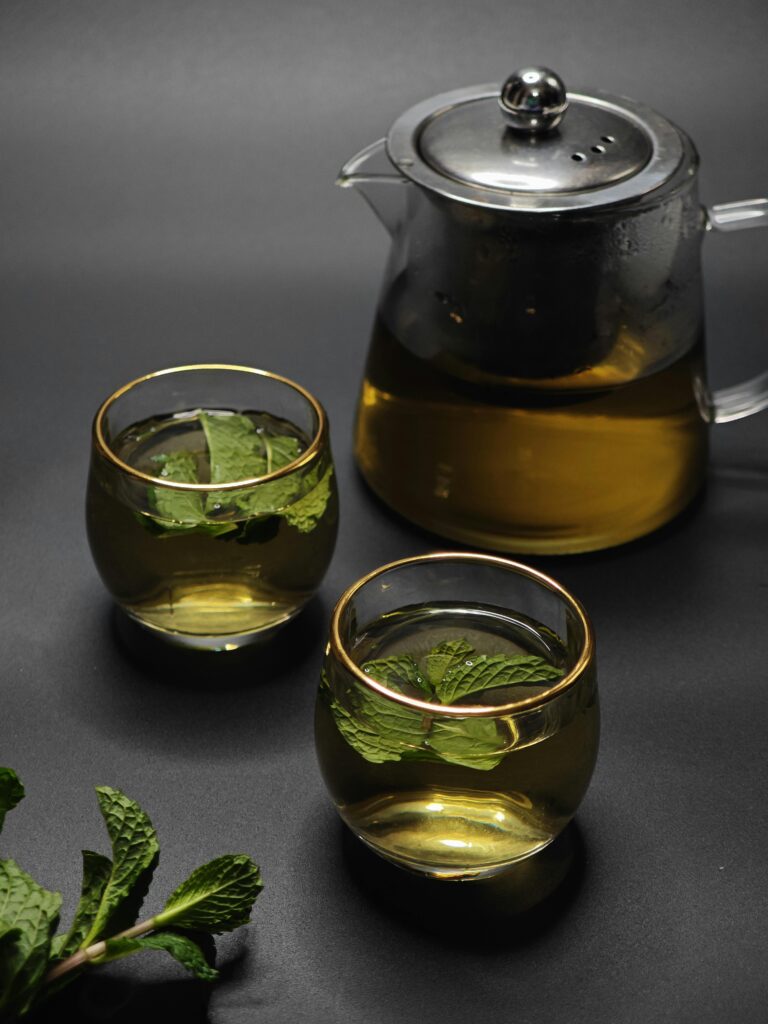
Peppermint tea is refreshing and commonly enjoyed throughout the day.
Many people appreciate peppermint tea for:
- Fresh flavor
- Invigorating aroma
- Relaxing tea breaks
Its cooling qualities make it popular year-round.
Ginger Tea
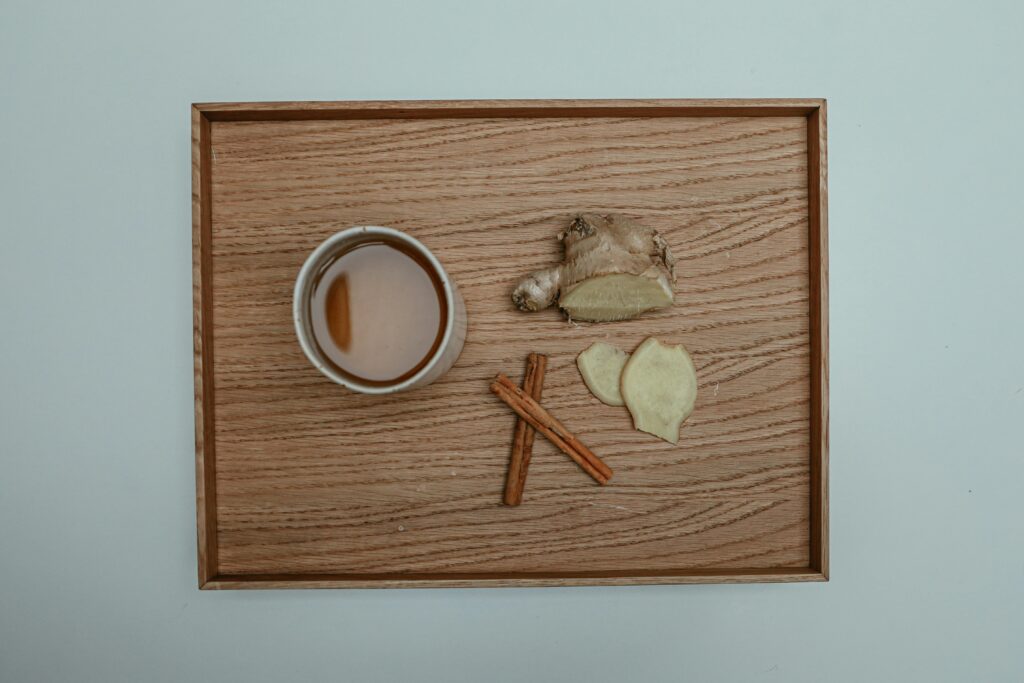
Ginger tea has long been included in wellness traditions across many cultures.
People often enjoy ginger tea for:
- Warmth
- Comfort
- Cozy routines
Its bold and spicy flavor creates energizing tea experiences.
Lavender Tea
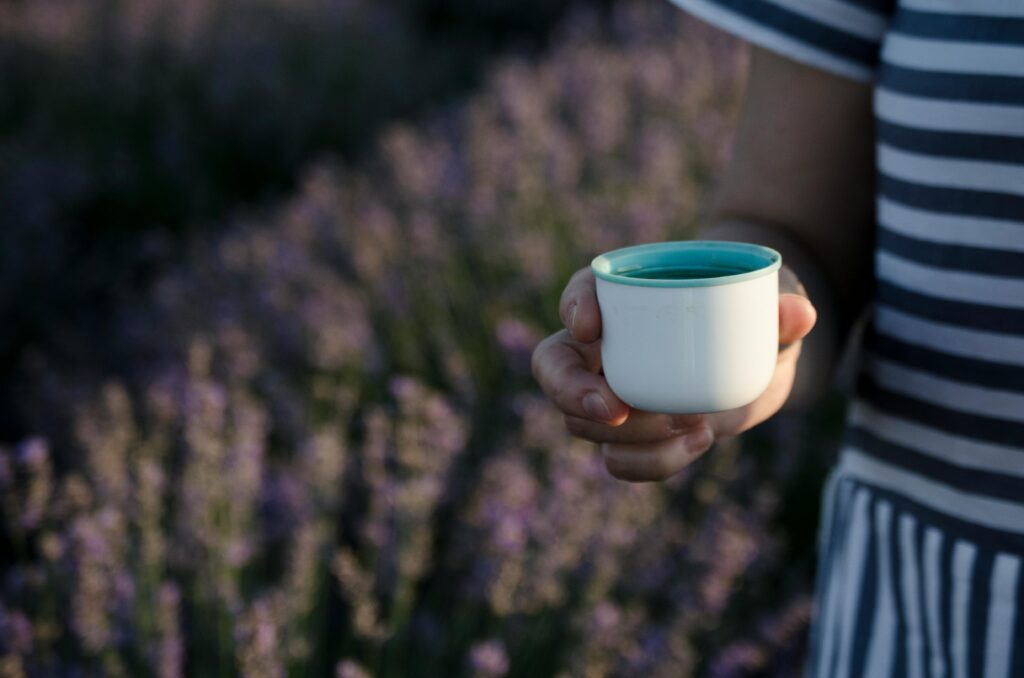
Lavender tea is commonly associated with calming and peaceful environments.
Its floral scent often complements:
- Meditation routines
- Evening rituals
- Self-care practices
Lavender-themed wellness spaces remain highly popular.
Hibiscus Tea
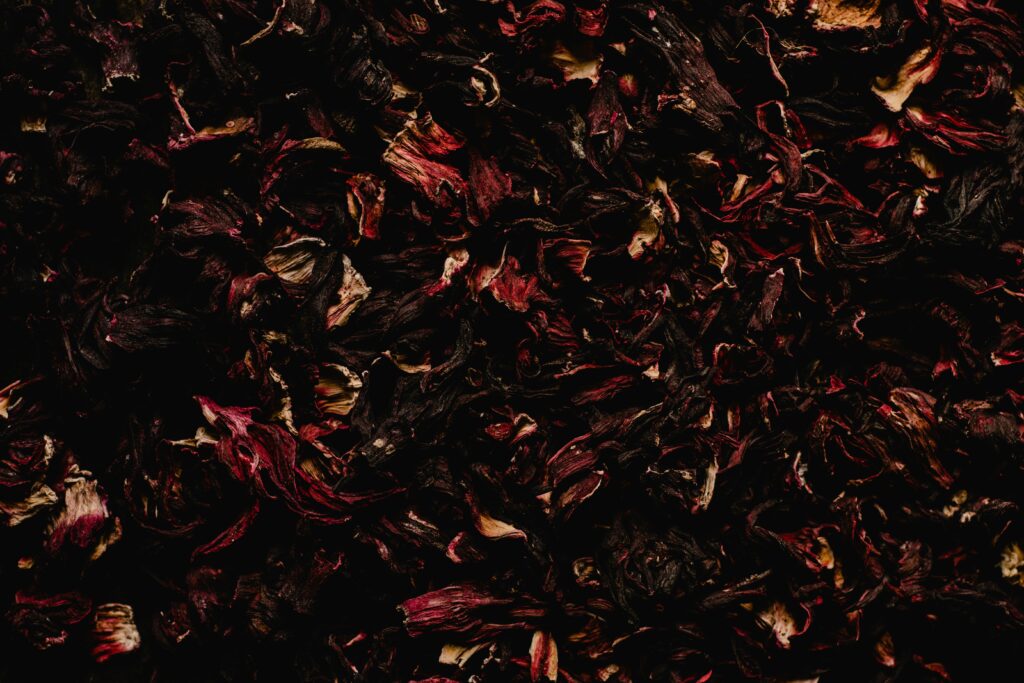
Hibiscus tea stands out for its vibrant color and refreshing taste.
Many people enjoy it:
- Iced during warmer seasons
- As part of wellness aesthetics
- In colorful tea presentations
Lemon Balm Tea
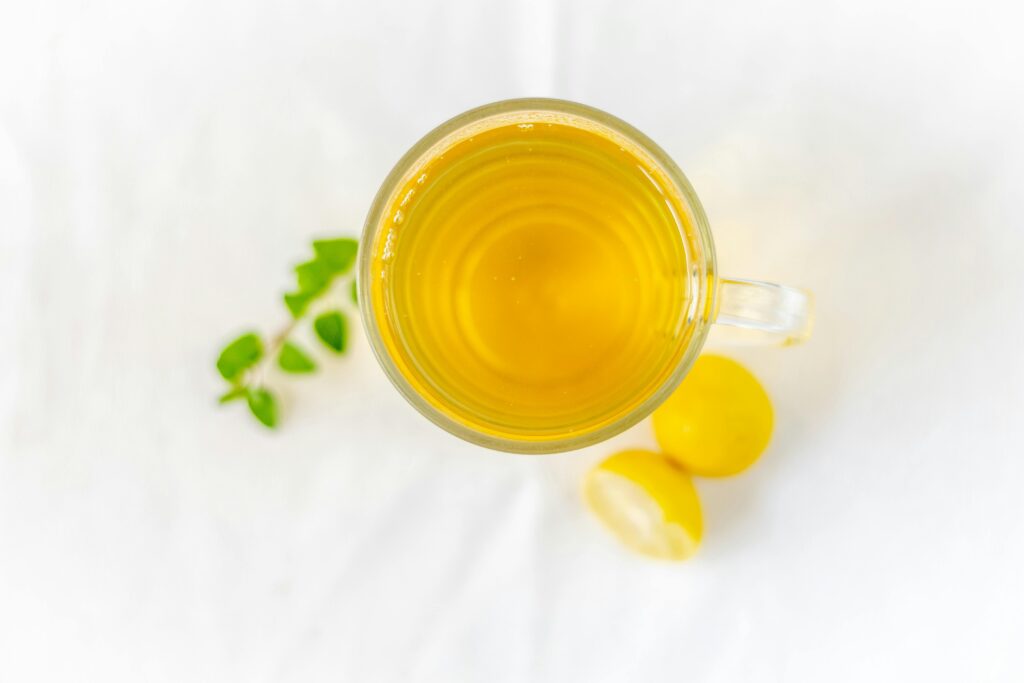
Lemon balm tea is another herbal favorite within mindfulness and relaxation culture.
Its citrusy aroma often creates refreshing and calming experiences.
Creating a Tea Ritual at Home
One of the most appealing parts of the herbal tea wellness lifestyle is the ritual itself.
Tea rituals may include:
- Choosing favorite blends
- Using calming mugs or teapots
- Sitting quietly without distractions
- Reading or journaling while drinking tea
These moments encourage intentional relaxation and mindfulness.
Herbal Tea and Cozy Living
Herbal tea culture strongly connects with cozy living aesthetics and comfort-focused lifestyles.
People often pair tea routines with:
- Soft blankets
- Warm lighting
- Candles
- Books
- Relaxing music
These calming environments support emotional comfort and stress reduction.
Herbal Tea and Morning Routines
Many individuals incorporate tea into mindful morning routines.
Morning tea rituals may include:
- Quiet reflection
- Planning the day
- Journaling
- Gentle stretching
Starting the day slowly can create a more balanced mindset.
Evening Herbal Tea Rituals
Evening tea routines are especially popular for winding down after busy days.
Common evening activities include:
- Drinking tea while reading
- Meditation
- Journaling
- Digital detox time
Tea rituals often become comforting nighttime habits.
Tea Culture and Slow Living
The slow living movement emphasizes intentional and mindful lifestyles.
Herbal tea naturally fits into slow living because it encourages:
- Presence
- Simplicity
- Rest
- Reflection
- Reduced rushing
Many people use tea rituals to disconnect from hectic schedules.
Herbal Tea and Social Connection
Tea has historically played important social roles across cultures worldwide.
Tea-centered social activities may include:
- Family tea gatherings
- Tea parties
- Conversations with friends
- Community traditions
Tea rituals often create opportunities for connection and meaningful interaction.
Tea Spaces and Wellness Environments
Many wellness enthusiasts create calming tea corners or relaxation spaces at home.
Popular tea space elements include:
- Plants
- Wooden decor
- Minimalist furniture
- Soft lighting
- Cozy seating
- Natural textures
Environment strongly influences relaxation experiences.
Herbal Tea and Minimalist Living
Minimalist lifestyles often align naturally with tea culture.
Both emphasize:
- Simplicity
- Intentional habits
- Mindful routines
- Reduced distractions
Tea rituals encourage slowing down and appreciating everyday moments.
Herbal Tea and Digital Detox Habits
Constant digital exposure can create mental fatigue and overstimulation.
Tea rituals often encourage:
- Phone-free moments
- Quiet reflection
- Reduced multitasking
Many people use tea breaks as opportunities to disconnect from screens.
The Role of Aroma in Tea Wellness
Aromas strongly influence mood and emotional comfort.
Herbal tea scents often create calming atmospheres through:
- Floral notes
- Citrus aromas
- Earthy herbal blends
- Warm spice fragrances
The sensory experience is an important part of tea culture.
Tea Journaling and Mindful Reflection
Some wellness enthusiasts combine tea rituals with journaling practices.
Tea journaling may include:
- Gratitude writing
- Daily reflections
- Mood tracking
- Goal setting
These mindful routines encourage emotional awareness and calmness.
Herbal Tea and Seasonal Wellness Routines
Tea rituals often change with the seasons.
Spring Tea Rituals
Spring tea routines may include:
- Floral teas
- Outdoor tea breaks
- Fresh herbal blends
Summer Herbal Tea Trends
During warmer months, many people enjoy:
- Iced herbal teas
- Fruity blends
- Refreshing citrus flavors
Autumn Tea Wellness
Fall tea rituals often emphasize warmth and coziness.
Popular autumn tea flavors include:
- Cinnamon
- Ginger
- Chai-inspired blends
Winter Tea Comfort Rituals
Winter tea culture strongly focuses on comfort and relaxation.
People often pair tea with:
- Blankets
- Books
- Fireplace settings
- Slow evenings indoors
Herbal Tea and Wellness Aesthetics
Social media has helped popularize herbal tea wellness aesthetics.
Popular online tea content includes:
- Cozy tea setups
- Relaxation videos
- Tea preparation rituals
- Minimalist wellness spaces
Tea culture continues growing within modern self-care communities.
Sustainable Tea Lifestyle Habits
Many tea enthusiasts also embrace eco-conscious habits.
Examples include:
- Reusable tea strainers
- Ceramic mugs
- Organic loose-leaf tea
- Sustainable packaging
Mindful consumption aligns naturally with wellness-focused lifestyles.
Common Mistakes in Tea Wellness Routines
Treating Tea Rituals as Rushed Tasks
Tea culture is most effective when approached slowly and intentionally.
Overcomplicating Wellness Routines
Simple rituals often feel more calming and sustainable.
Ignoring Personal Preferences
Tea rituals should feel enjoyable and personal rather than highly structured.
Multitasking During Tea Breaks
Mindfulness works best with focused attention and reduced distractions.
Building a Personalized Herbal Tea Lifestyle
Everyone experiences wellness differently.
Personal tea rituals may include:
- Morning tea journaling
- Afternoon mindfulness breaks
- Evening relaxation tea
- Tea and reading routines
The goal is creating moments of calm and intentional living.
Future Trends in Herbal Tea Wellness
Tea culture continues evolving alongside wellness trends.
Future developments may include:
- Wellness-focused tea cafes
- Sustainable tea packaging
- Smart tea brewing devices
- Personalized herbal blends
- Digital tea wellness communities
As mindfulness culture grows, tea rituals will likely remain highly influential.
Frequently Asked Questions About Herbal Tea Wellness Lifestyle
What Is the Herbal Tea Wellness Lifestyle?
It is a mindful lifestyle centered around tea rituals, relaxation, and intentional living habits.
Why Is Herbal Tea Popular in Wellness Culture?
People enjoy herbal tea for its comforting rituals, calming atmosphere, and relaxing routines.
Can Tea Rituals Support Mindfulness?
Many people use tea preparation and slow sipping as mindful daily practices.
What Are Popular Herbal Teas?
Popular varieties include chamomile, peppermint, ginger, lavender, and hibiscus tea.
How Can Beginners Start Tea Wellness Routines?
Simple routines may include quiet tea breaks, evening relaxation rituals, or mindful morning tea habits.
Why Herbal Tea Wellness Continues Growing
Modern lifestyles increasingly prioritize:
- Emotional wellness
- Slower living
- Digital balance
- Mindfulness
- Self-care routines
Herbal tea culture supports these values while encouraging intentional and calming daily habits.
As wellness movements continue evolving globally, tea rituals will likely remain an important part of modern self-care culture.
Final Thoughts on Herbal Tea Wellness Lifestyle
The herbal tea wellness lifestyle encourages people to slow down, create intentional routines, and embrace calming daily habits that support emotional balance and mindful living. From cozy evening tea rituals and peaceful morning routines to minimalist tea spaces and social tea gatherings, herbal tea culture offers comfort and relaxation in a fast-moving world.
At Fresh Perspective, we believe wellness often begins with small moments of calm and intentional self-care.
The beauty of tea wellness lies in its simplicity. Everyone can create personalized rituals that fit their lifestyle, preferences, and daily schedules while building healthier and more peaceful routines.
As modern life continues becoming more digitally connected and fast-paced, herbal tea wellness habits will remain timeless tools for relaxation, mindfulness, and balanced living.