
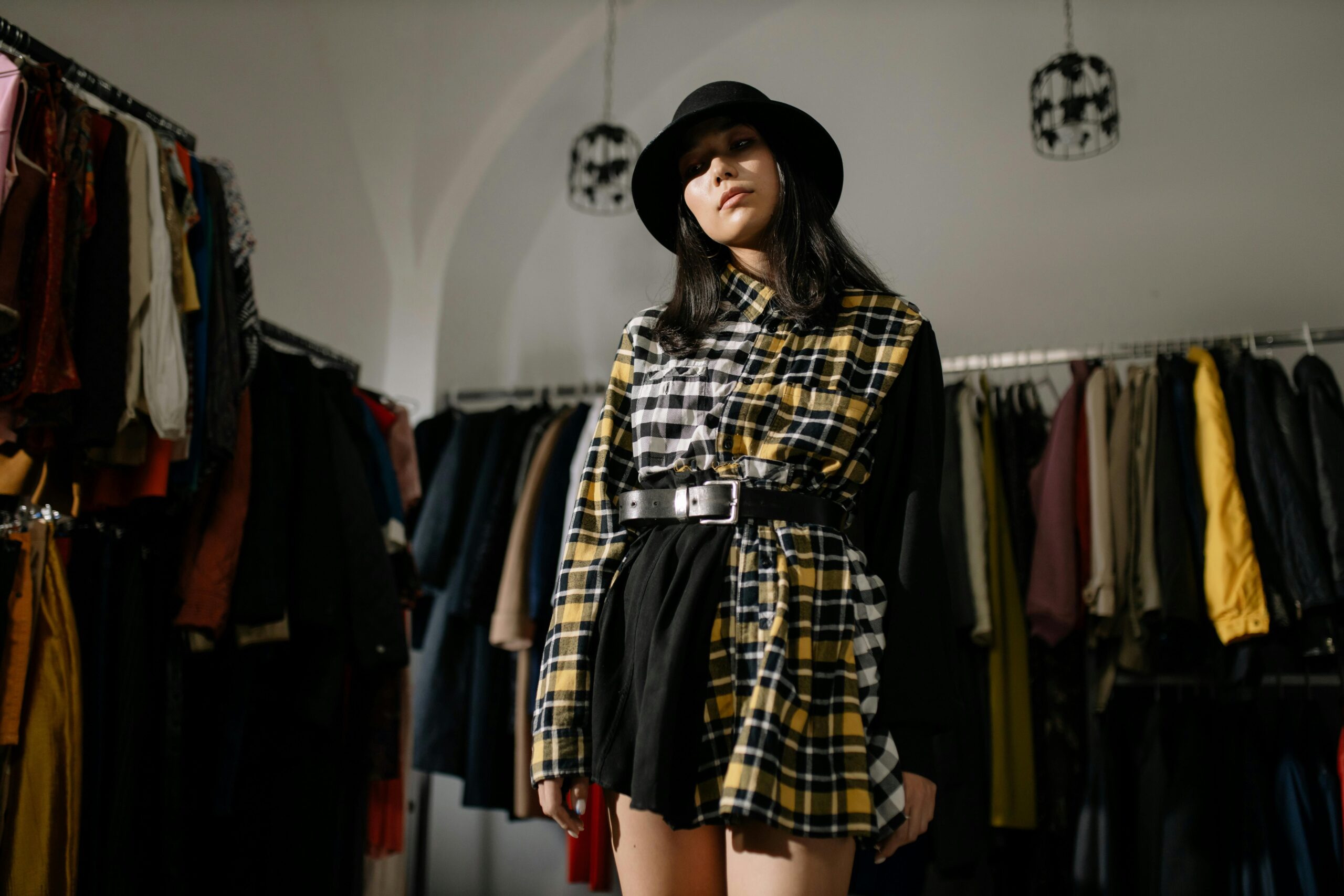
Fashion constantly evolves, yet some styles never truly disappear. Vintage fashion trends continue to shape the modern fashion industry by bringing timeless elegance, individuality, sustainability, and nostalgia into contemporary wardrobes. From classic denim jackets and retro dresses to oversized blazers and 90s streetwear, vintage-inspired clothing remains one of the strongest influences in global fashion today.
At Fresh Perspective, we believe fashion is more than just clothing — it is a form of self-expression, creativity, and cultural storytelling. Vintage fashion trends allow people to combine history with modern style while creating unique looks that stand out from mass-produced fast fashion.
Whether you love classic Hollywood glamour, 70s bohemian aesthetics, 80s power dressing, or Y2K streetwear, vintage fashion offers endless inspiration for every generation.
In this complete guide, you’ll learn everything you need to know about vintage fashion trends, including their history, popular styles by decade, modern influences, sustainable fashion benefits, styling tips, future trends, and answers to frequently asked questions.
What Is Vintage Fashion?
Vintage fashion refers to clothing, accessories, and styles inspired by or originating from previous decades. Generally, fashion items that are at least 20 years old are considered vintage.
Vintage fashion includes:
- Original retro clothing
- Reproduction vintage styles
- Thrifted fashion
- Designer archive pieces
- Classic accessories
- Timeless fashion silhouettes
Many people mix vintage items with modern clothing to create personalized fashion statements.
Why Vintage Fashion Trends Are So Popular
Vintage fashion continues growing in popularity because it offers:
- Unique personal style
- Nostalgic appeal
- Sustainable shopping
- High-quality craftsmanship
- Timeless aesthetics
- Creative self-expression
Modern consumers increasingly seek alternatives to mass-produced fast fashion, making vintage styles more attractive than ever.
Social media platforms and celebrity influence have also helped revive retro fashion trends across multiple generations.
The History of Vintage Fashion Trends
Fashion trends often reflect the social, cultural, and political influences of their time.
Each decade developed distinctive styles that continue inspiring modern fashion today.
1920s Vintage Fashion
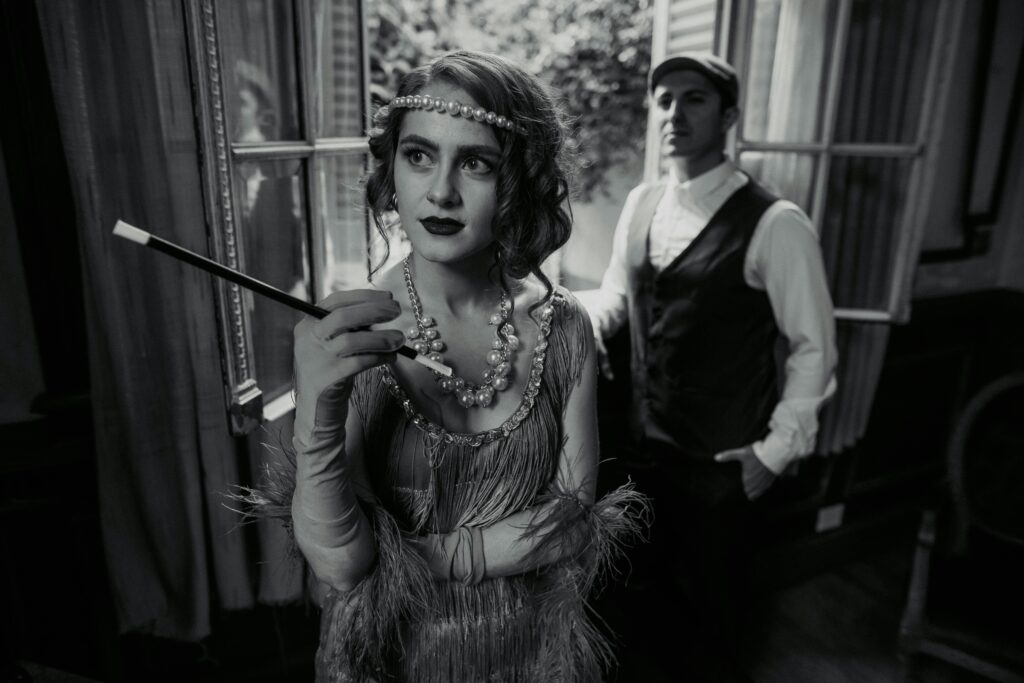
The 1920s introduced glamorous and rebellious fashion during the Jazz Age.
Popular trends included:
- Flapper dresses
- Fringe details
- Art Deco accessories
- Cloche hats
- Pearl necklaces
This era emphasized freedom, elegance, and bold self-expression.
1950s Vintage Fashion
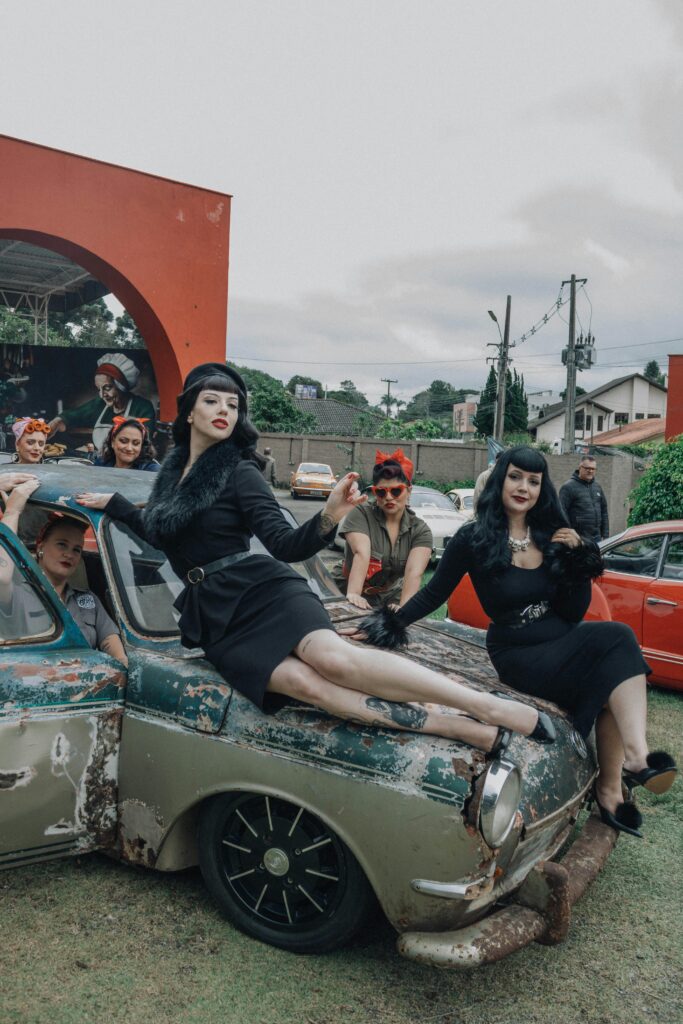
The 1950s became known for feminine silhouettes and polished styles.
Popular looks included:
- Full circle skirts
- High-waisted pants
- Cat-eye sunglasses
- Polka dots
- Leather jackets
Hollywood icons heavily influenced fashion during this period.
1960s Vintage Fashion
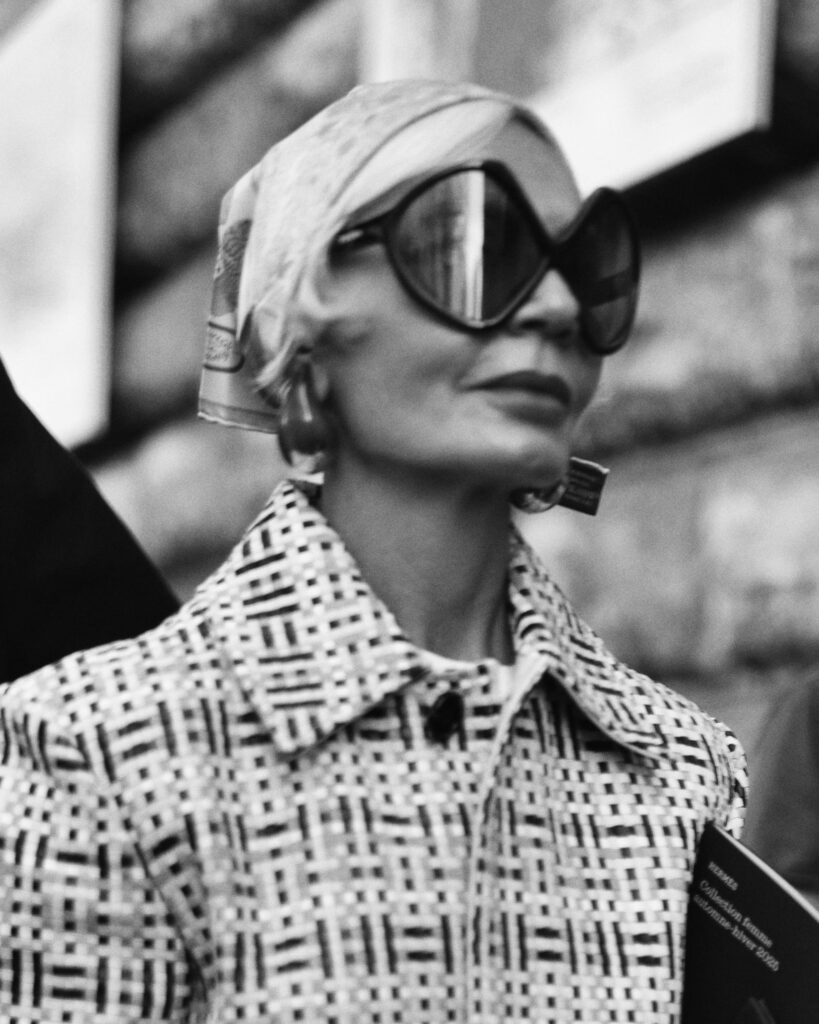
The 1960s brought youthful experimentation and bold designs.
Popular styles included:
- Mini skirts
- Mod fashion
- Go-go boots
- Psychedelic prints
- Shift dresses
Fashion became more colorful, playful, and expressive.
1970s Vintage Fashion
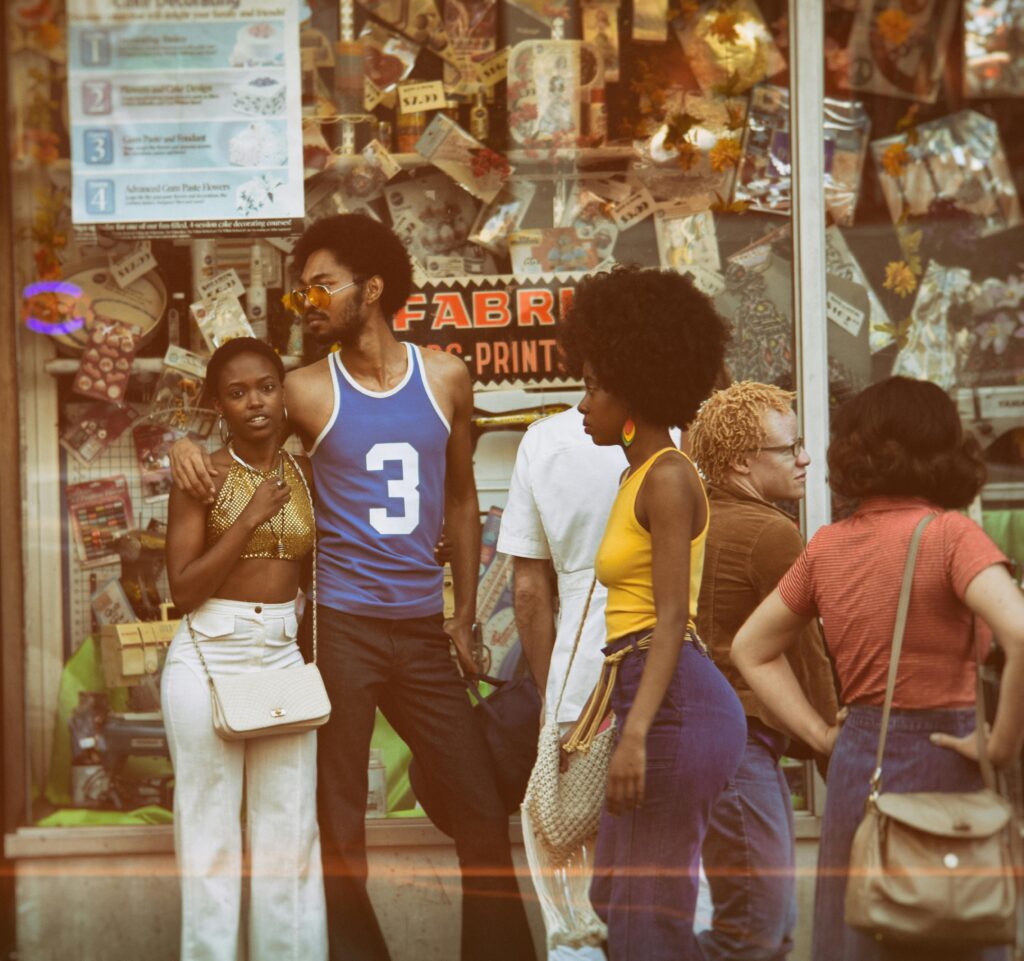
The 1970s embraced individuality and relaxed bohemian aesthetics.
Popular trends included:
- Bell-bottom jeans
- Fringe jackets
- Floral prints
- Platform shoes
- Suede clothing
Disco culture and hippie influences shaped much of the decade’s fashion identity.
1980s Vintage Fashion
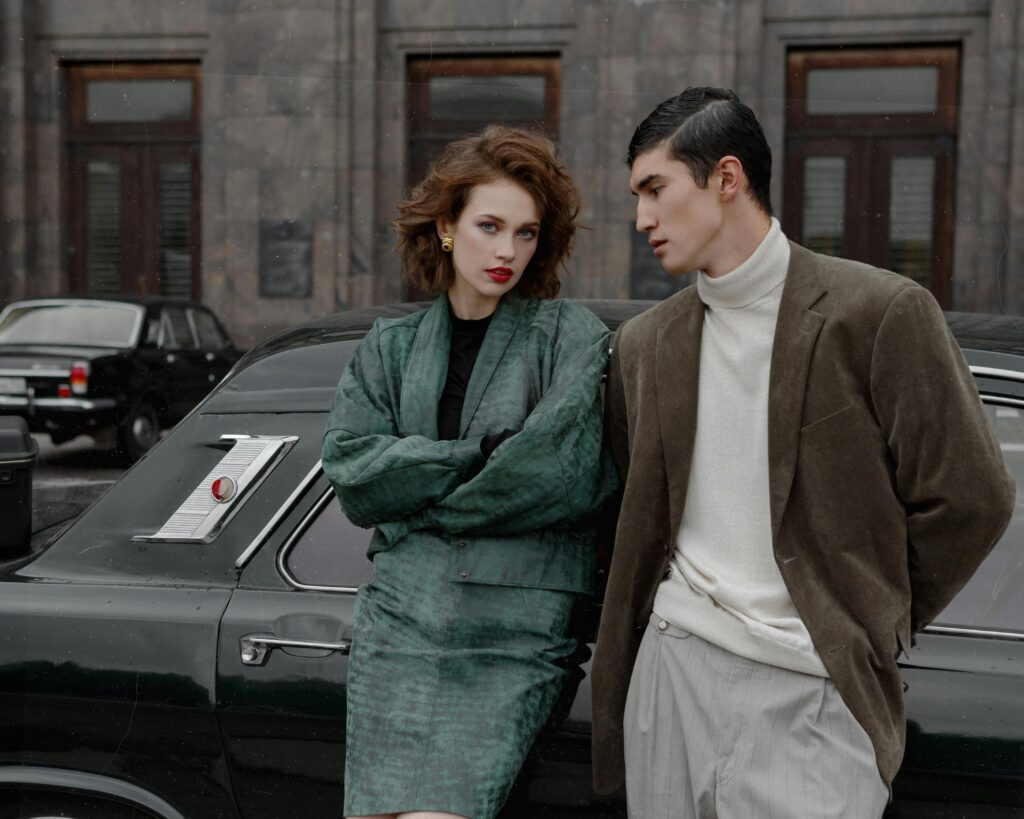
The 1980s focused on bold statements and oversized silhouettes.
Popular styles included:
- Shoulder pads
- Power suits
- Neon colors
- Acid-wash denim
- Oversized blazers
This decade celebrated confidence and dramatic fashion choices.
1990s Vintage Fashion
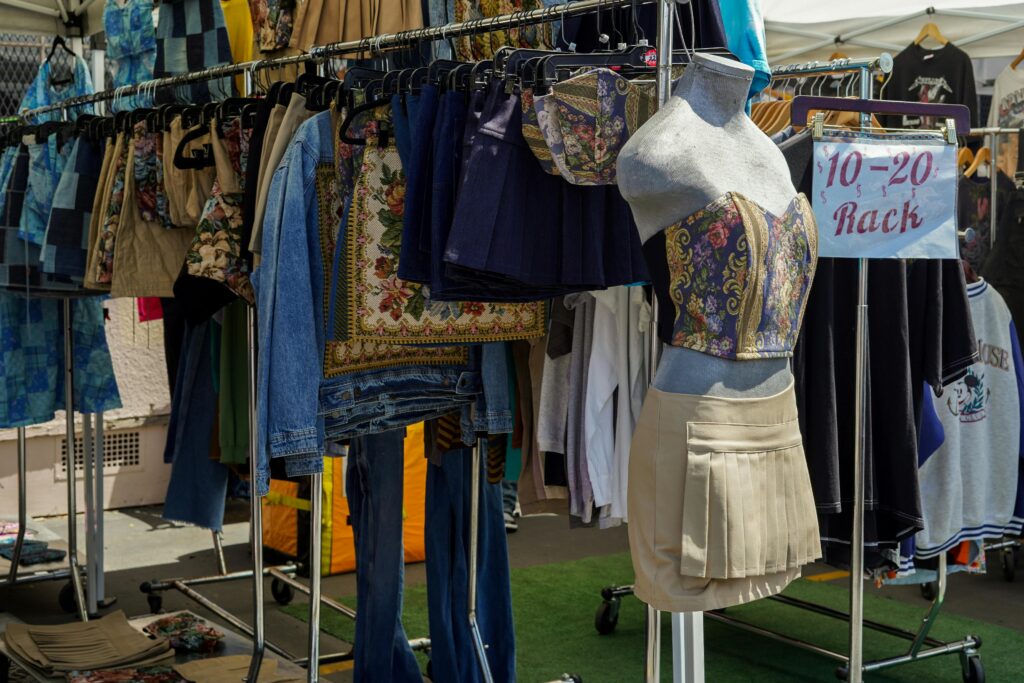
The 1990s introduced casual minimalism and streetwear culture.
Popular trends included:
- Baggy jeans
- Flannel shirts
- Slip dresses
- Combat boots
- Graphic tees
90s fashion remains one of today’s strongest vintage influences.
Y2K Fashion Revival
Early 2000s fashion has recently made a major comeback.
Popular Y2K trends include:
- Low-rise jeans
- Crop tops
- Metallic fabrics
- Tiny handbags
- Velour tracksuits
Social media and celebrity culture have helped fuel the Y2K revival.
Why Vintage Fashion Appeals to Modern Consumers
Individuality
Vintage fashion helps people create unique looks that differ from mainstream trends.
Many shoppers enjoy expressing personality through rare or nostalgic pieces.
Sustainability
Secondhand and vintage shopping reduce fashion waste and support more sustainable consumption.
Consumers increasingly prioritize eco-friendly fashion choices.
Quality Craftsmanship
Many vintage garments feature durable fabrics and detailed craftsmanship that differ from fast fashion production.
Nostalgia and Storytelling
Vintage clothing often carries emotional and cultural significance tied to past eras.
Fashion enthusiasts enjoy the history and storytelling behind retro styles.
Popular Vintage Fashion Pieces Today
Oversized Blazers
Inspired by 80s and 90s fashion, oversized blazers remain highly popular.
They work well for:
- Casual outfits
- Streetwear
- Office fashion
Vintage Denim
Retro denim styles continue dominating fashion trends.
Popular options include:
- Mom jeans
- High-waisted jeans
- Distressed denim jackets
- Wide-leg jeans
Graphic Band T-Shirts
Vintage-inspired music tees are common in modern streetwear.
They pair well with casual and layered outfits.
Leather Jackets
Classic leather jackets remain timeless fashion staples.
They add edge and versatility to almost any outfit.
Retro Sneakers
Vintage sneaker designs continue influencing footwear fashion globally.
Vintage Fashion and Sustainable Style
Sustainability has become one of the biggest reasons people embrace vintage fashion.
Reduces Textile Waste
Buying secondhand clothing helps reduce landfill waste.
Encourages Clothing Reuse
Vintage shopping extends the lifespan of garments.
Supports Slow Fashion
Vintage fashion aligns with slow fashion values focused on quality and longevity.
Reduces Demand for Fast Fashion
Consumers increasingly seek ethical alternatives to mass production.
Thrift Shopping and Vintage Fashion
Thrift stores have become major destinations for vintage fashion lovers.
Benefits of thrift shopping include:
- Affordable prices
- Unique discoveries
- Sustainable shopping
- Rare fashion finds
Many people enjoy the excitement of discovering one-of-a-kind pieces.
Vintage Fashion and Celebrity Influence
Celebrities play a major role in reviving retro styles.
Vintage-inspired fashion frequently appears on:
- Red carpets
- Music videos
- Social media
- Fashion campaigns
Influencers and celebrities often blend vintage and modern aesthetics.
How to Style Vintage Fashion
Mix Vintage with Modern Pieces
Combining retro and modern clothing creates balanced, wearable outfits.
Focus on Statement Pieces
Vintage jackets, bags, or shoes can elevate simple outfits.
Use Accessories Carefully
Retro accessories such as sunglasses, scarves, and jewelry complete vintage-inspired looks.
Experiment with Layers
Layering different textures and styles creates more dynamic outfits.
Vintage Fashion for Men
Vintage menswear trends are also becoming increasingly popular.
Common styles include:
- Retro denim
- Leather jackets
- Vintage sportswear
- 90s streetwear
- Classic tailoring
Men’s vintage fashion emphasizes both timelessness and individuality.
Vintage Fashion for Women
Women’s vintage fashion continues evolving across many styles.
Popular aesthetics include:
- Cottagecore
- Old Hollywood glamour
- Retro streetwear
- Bohemian fashion
- Minimalist vintage looks
The versatility of vintage fashion appeals to many personal styles.
Vintage Accessories and Jewelry
Accessories play an important role in vintage-inspired fashion.
Popular retro accessories include:
- Pearl necklaces
- Cat-eye sunglasses
- Vintage handbags
- Silk scarves
- Chunky jewelry
Accessories help personalize outfits while enhancing nostalgic aesthetics.
Social Media and Vintage Fashion Trends
Platforms like Instagram, Pinterest, and TikTok have significantly boosted vintage fashion popularity.
Social media encourages:
- Outfit inspiration
- Thrift hauls
- Styling tutorials
- Sustainable fashion awareness
Online communities continue driving retro fashion trends globally.
Challenges of Vintage Fashion Shopping
Sizing Differences
Vintage clothing sizes often differ from modern sizing standards.
Limited Availability
Unique pieces may be difficult to replace once sold.
Garment Condition
Some vintage items may require repairs or cleaning.
Higher Prices for Rare Pieces
Designer or collectible vintage fashion can become expensive.
Tips for Building a Vintage-Inspired Wardrobe
Start with Basics
Begin with timeless staples such as:
- Denim jackets
- Vintage jeans
- Neutral blazers
Shop Secondhand Stores
Thrift stores and vintage shops offer affordable options.
Invest in Quality Pieces
Durable classics provide long-term wardrobe value.
Learn About Fashion Eras
Understanding historical styles helps create more authentic vintage looks.
Vintage Fashion and Self-Expression
Fashion allows individuals to express personality and creativity.
Vintage style often reflects:
- Artistic identity
- Cultural appreciation
- Personal nostalgia
- Individual taste
Many people enjoy creating outfits that feel unique and meaningful.
Future Trends in Vintage Fashion
Vintage fashion is expected to remain highly influential in future fashion cycles.
Emerging trends may include:
- More sustainable fashion movements
- Digital vintage marketplaces
- Upcycled retro fashion
- AI-powered fashion resale platforms
- Continued Y2K revival
As sustainability awareness grows, vintage fashion will likely become even more mainstream.
Vintage Fashion and Circular Fashion Economy
Vintage fashion supports circular fashion systems focused on reuse and sustainability.
Benefits include:
- Reduced waste
- Longer clothing life cycles
- Lower environmental impact
Consumers increasingly value environmentally responsible shopping habits.
Frequently Asked Questions About Vintage Fashion Trends
What Is Considered Vintage Fashion?
Fashion items generally at least 20 years old are often considered vintage.
Why Is Vintage Fashion Popular?
People appreciate vintage fashion for its uniqueness, sustainability, nostalgia, and timeless style.
Is Vintage Fashion Sustainable?
Yes. Buying secondhand clothing helps reduce waste and supports sustainable fashion practices.
Can Vintage Clothing Be Worn Casually?
Absolutely. Many people mix vintage and modern pieces for everyday outfits.
Where Can You Buy Vintage Fashion?
Vintage clothing is commonly found in thrift stores, online marketplaces, specialty boutiques, and resale shops.
Why Vintage Fashion Trends Continue to Influence Modern Style
Fashion trends may evolve constantly, but vintage aesthetics continue returning because they offer timeless inspiration.
Modern consumers increasingly value:
- Authenticity
- Sustainability
- Creativity
- Individuality
Vintage fashion combines all of these elements while allowing people to celebrate past eras in modern ways.
Final Thoughts on Vintage Fashion Trends
Vintage fashion trends continue shaping the fashion world by blending nostalgia, sustainability, creativity, and timeless style. Whether inspired by 70s bohemian fashion, 80s power dressing, 90s streetwear, or Y2K aesthetics, vintage-inspired clothing offers endless opportunities for personal expression and stylish experimentation.
At Fresh Perspective, we believe fashion should reflect individuality while supporting more conscious and sustainable choices.
The best part about vintage fashion is its versatility. Anyone can incorporate retro-inspired pieces into their wardrobe while creating looks that feel fresh, stylish, and uniquely personal.
As sustainable fashion movements continue growing and consumers seek alternatives to fast fashion, vintage fashion trends will remain one of the most influential forces shaping the future of modern style.